
Dog Life7 min read
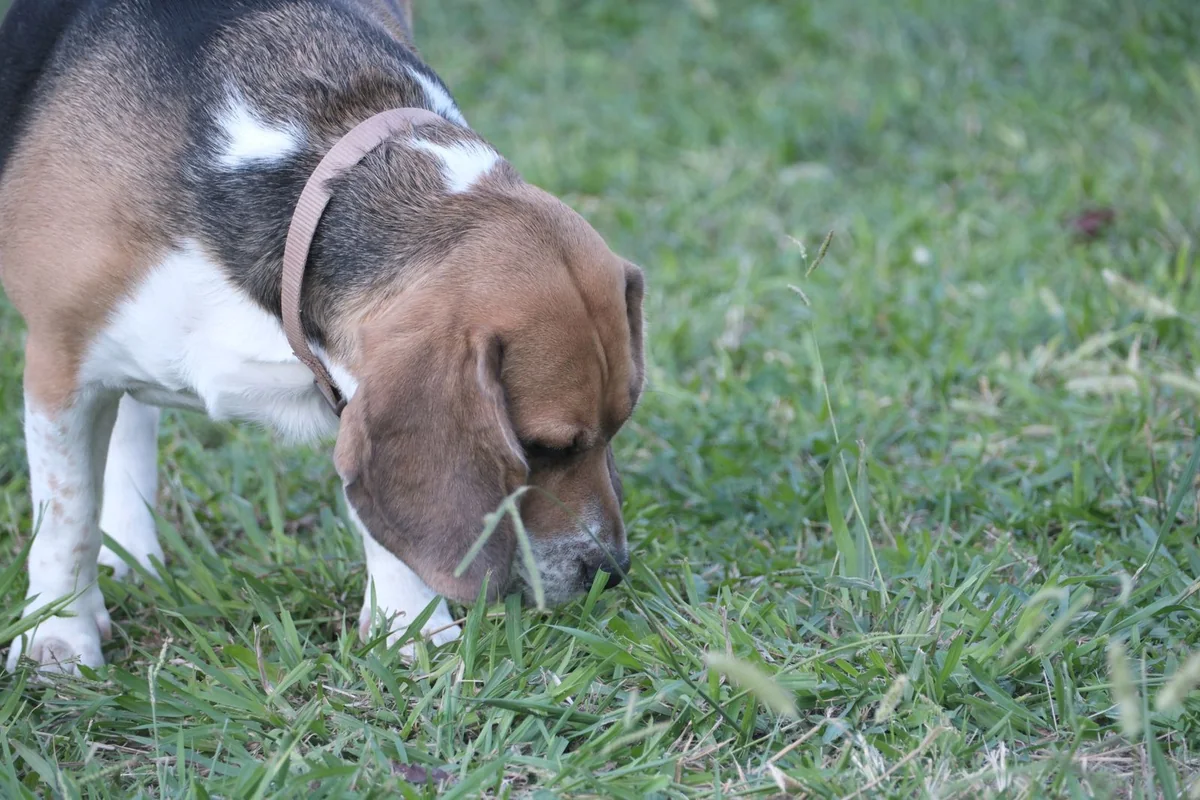
A Better Walk Starts With Letting Your Dog Sniff
Turn a familiar route into a sniff walk with a softer pace, safer stops, and a few simple cues for moving on when you need to.
THE PET JOURNAL
Browse the complete Gradecalculatorusa library of practical pet care stories for dogs, cats and small companions.
Turn a familiar route into a sniff walk with a softer pace, safer stops, and a few simple cues for moving on when you need to.

Help your dog walk with slack in the leash by rewarding the right steps, choosing easier routes, and making room for sniffing.
Build a calmer doorbell routine for your dog with a safe waiting area, easy sound practice, and a plan for deliveries and guests.
Build your dog's recall from easy indoor games to safe outdoor practice, with better rewards and a clear plan for busy places.
Make a wet afternoon more interesting with easy scent games, quiet movement, and supervised play suited to the space you have.

Read the space, the leashes, and both dogs before a greeting, and learn a comfortable way to pass when either dog needs distance.
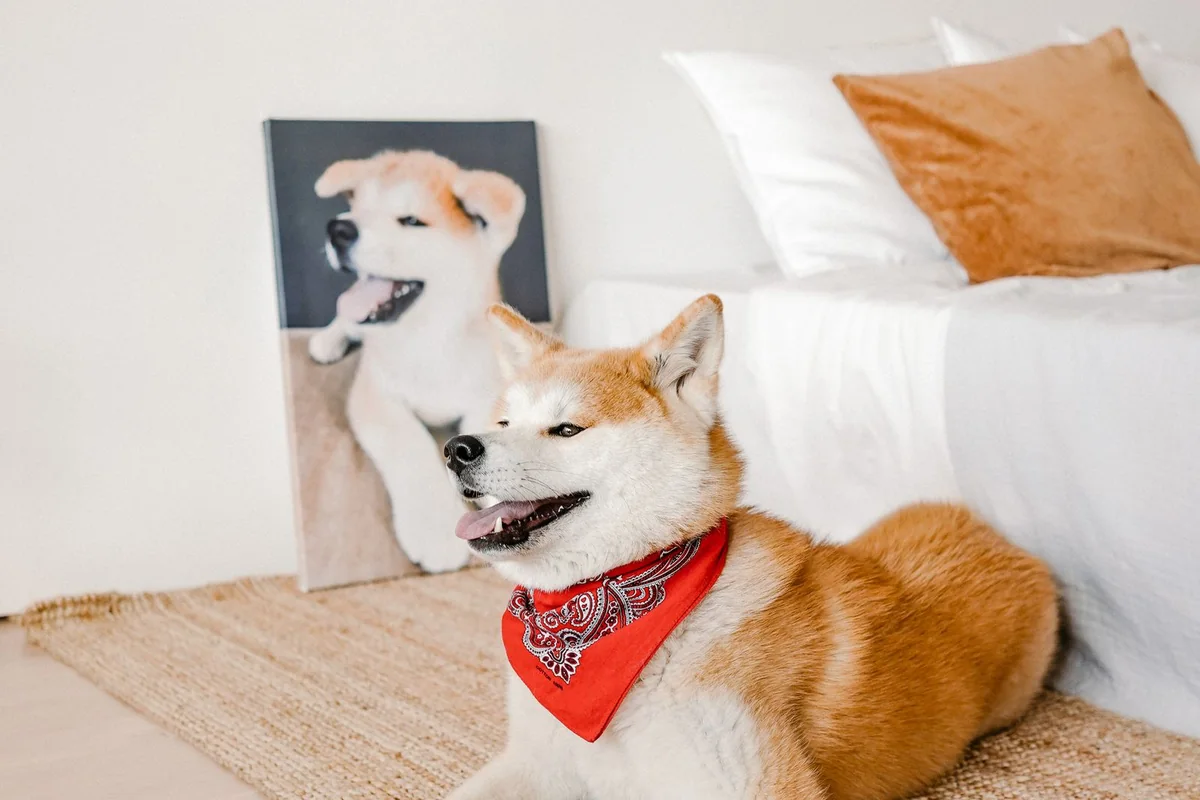
Turn a familiar mat into a comfortable place to pause through short, reward-based sessions at home, around guests, and on outings.

Read your puppy's everyday tired signals and design a low-pressure nap rhythm that leaves time for toilet trips, play, and quiet.

Give a new dog sitter a clear first visit with a short care sheet, a quiet introduction, a practice handoff, and an emergency plan.
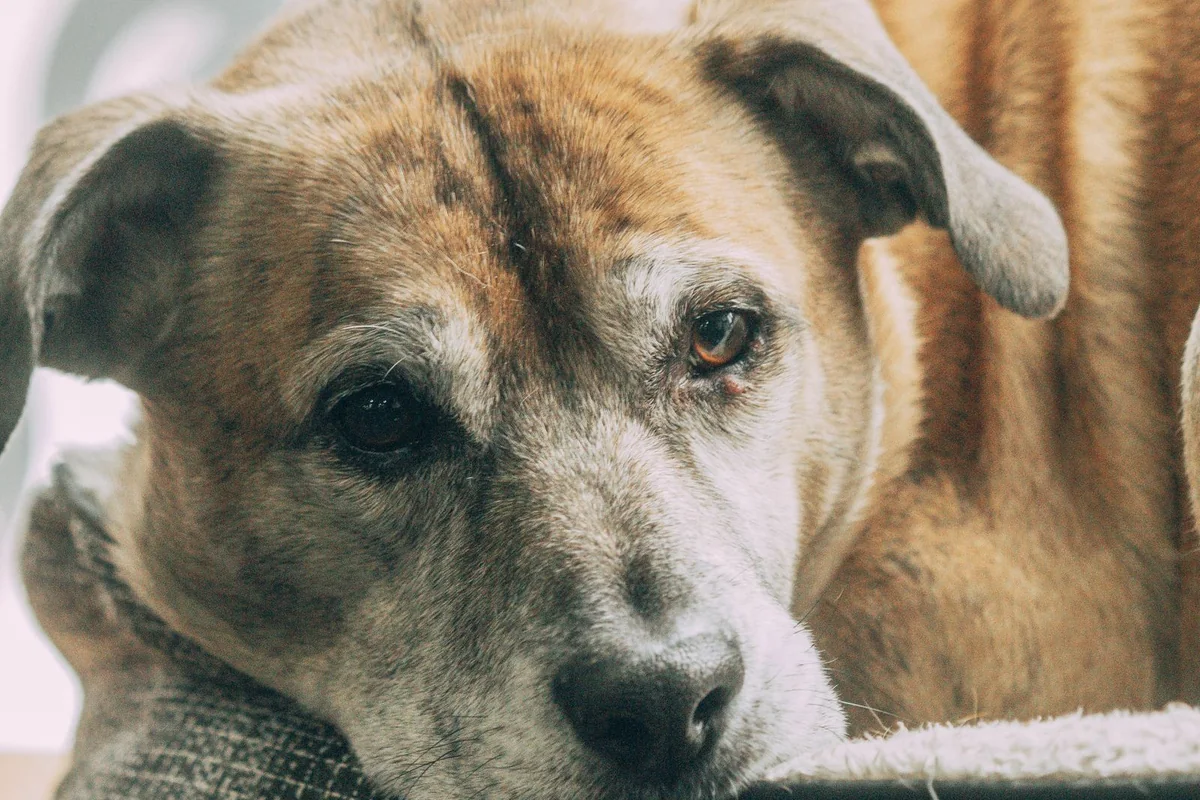
Make the familiar home easier for a senior dog to navigate with better footing, lower-effort routines, and a useful mobility check.
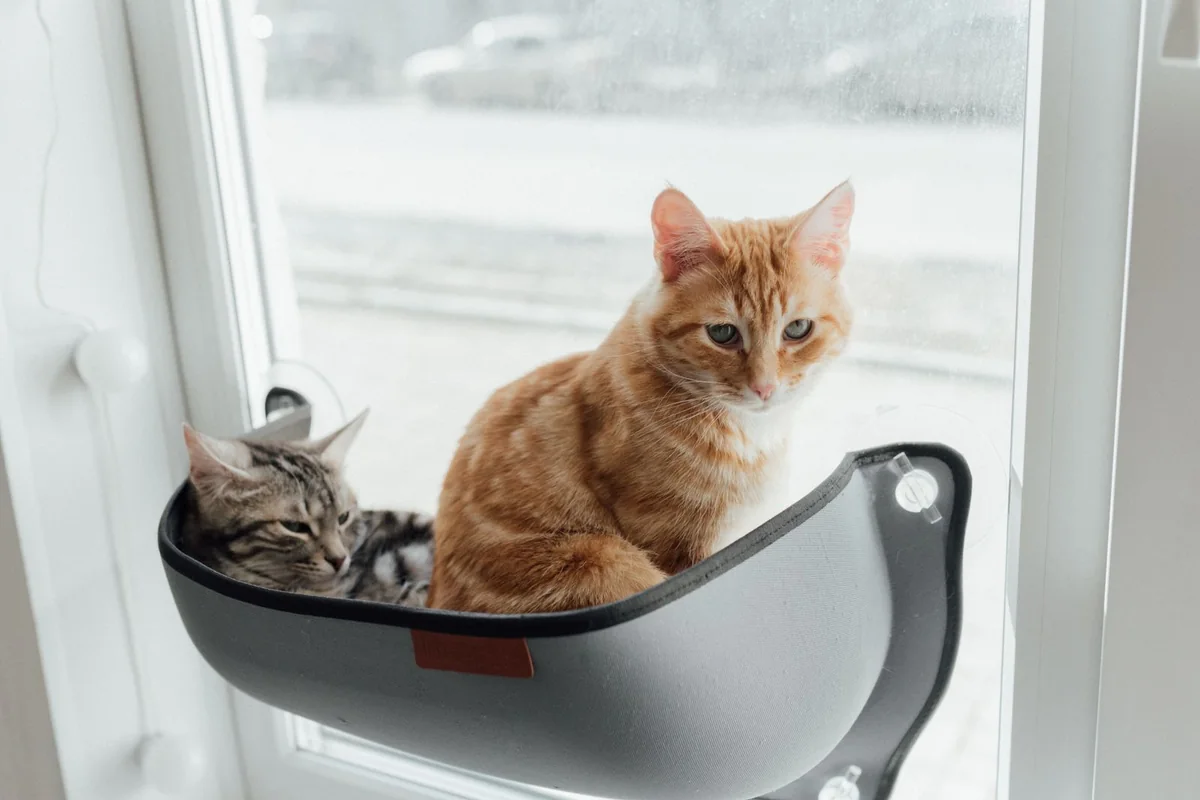
Choose a secure cat window perch, test the view at different hours, and make a comfortable route up and down for cats of different ages.
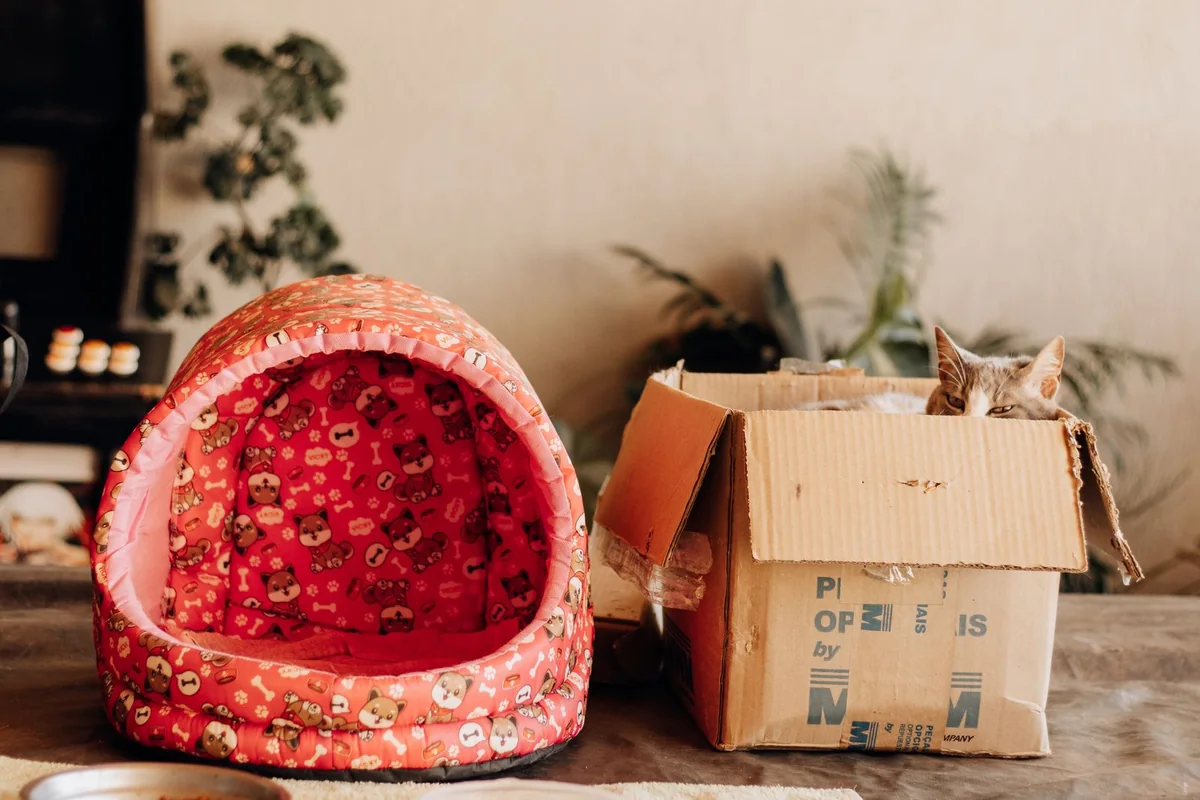
Make the first week with an adopted cat easier with a quiet room, familiar routines, and simple ways to tell when the cat is ready for more space.

Find out how to move a cat toy, build short play sessions, and offer a satisfying catch even when your cat takes a while to join in.

Find better litter box locations, compare sizes and entry heights, and set up a cleaning routine for a home with one cat or several.
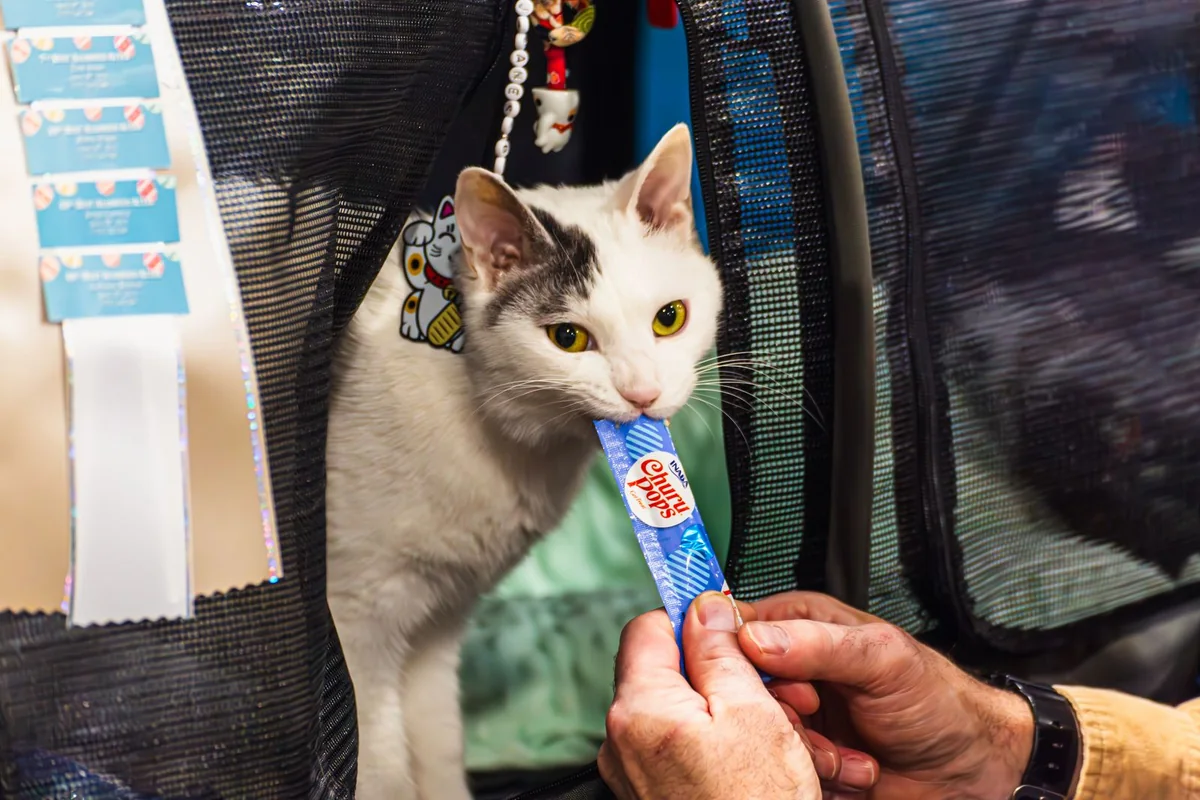
Turn a secure cat carrier into a familiar part of the room, practice each step slowly, and prepare for a calmer trip to the veterinary clinic.

Choose cat scratchers by angle, texture, and location, then make the new surface easy to find where your cat already likes to stretch.
Keep an indoor cat safely inside, assess whether a fully enclosed balcony is feasible, and provide outdoor sights even when the door stays closed.

Prepare separate spaces, introduce cats through scent and a secure barrier, and know when to slow down before trying a shared room.

Set up a safe retreat for your cat during guests, loud chores, or neighborhood noise, and make returning to the rest of the home easy.
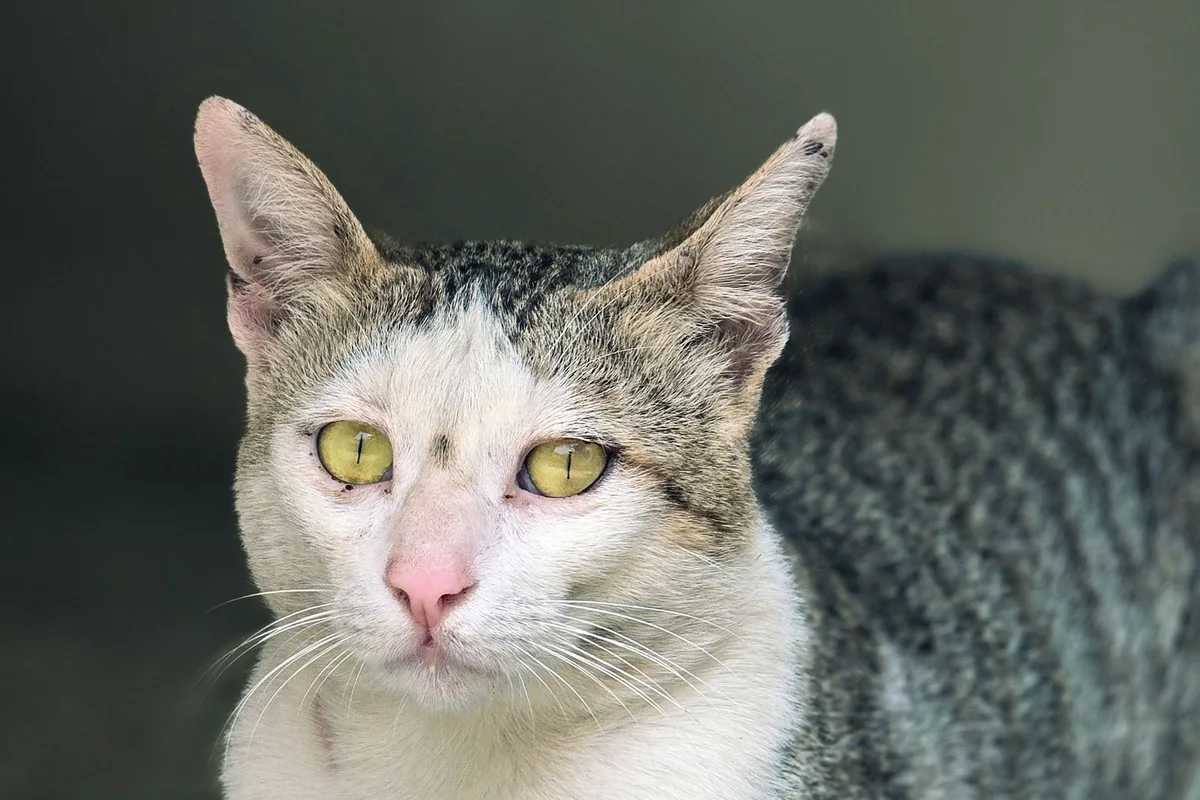
Use everyday light and a simple note system to photograph your cat's routines, build a small diary, and keep the process comfortable for both of you.
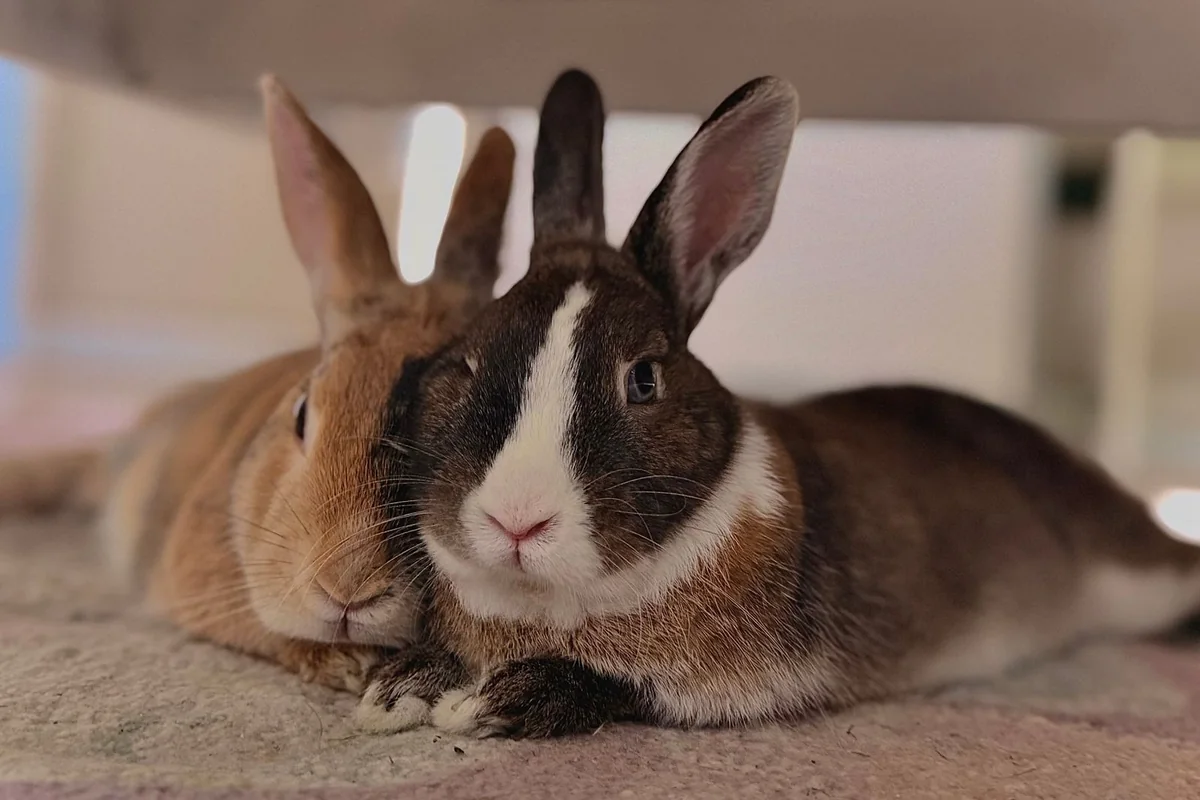
Plan an indoor rabbit room with continuous traction, open running routes, accessible hay and water, and quiet retreats your rabbits can choose.

Keep everyday hay easy to reach while giving rabbits optional ways to search, sort, and browse with simple, low-risk foraging setups.
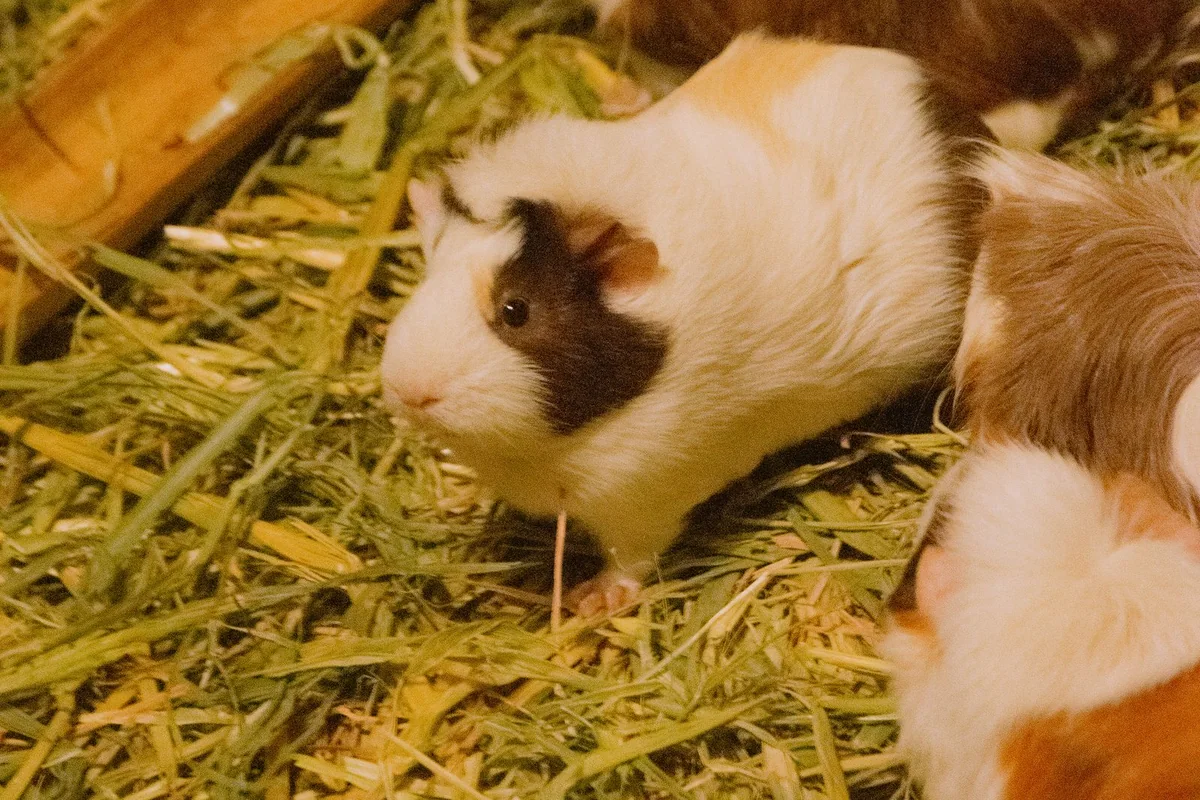
Arrange guinea pig shelters with two clear exits, easy access to hay and water, and quiet routes that work for every animal in the group.
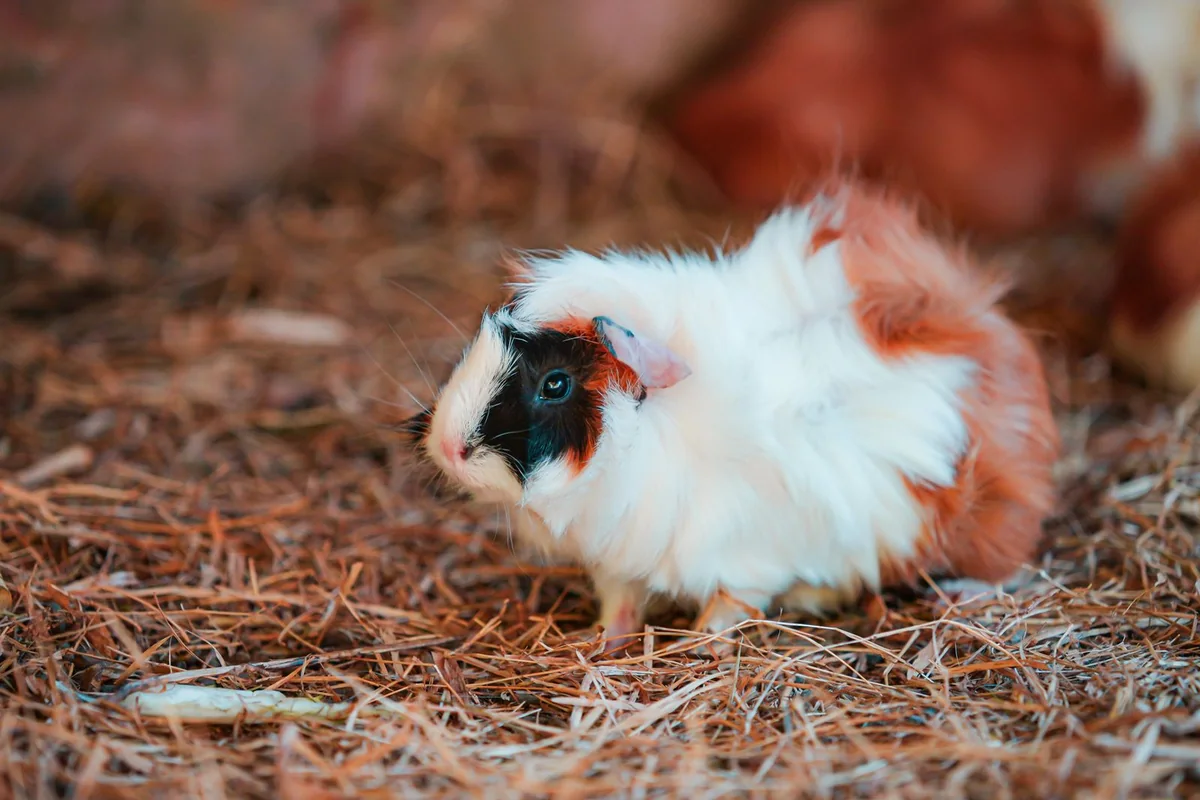
Learn to spot wet bedding, manage hay and water spills, and plan low-stress deep cleans that keep a guinea pig enclosure dry and usable.
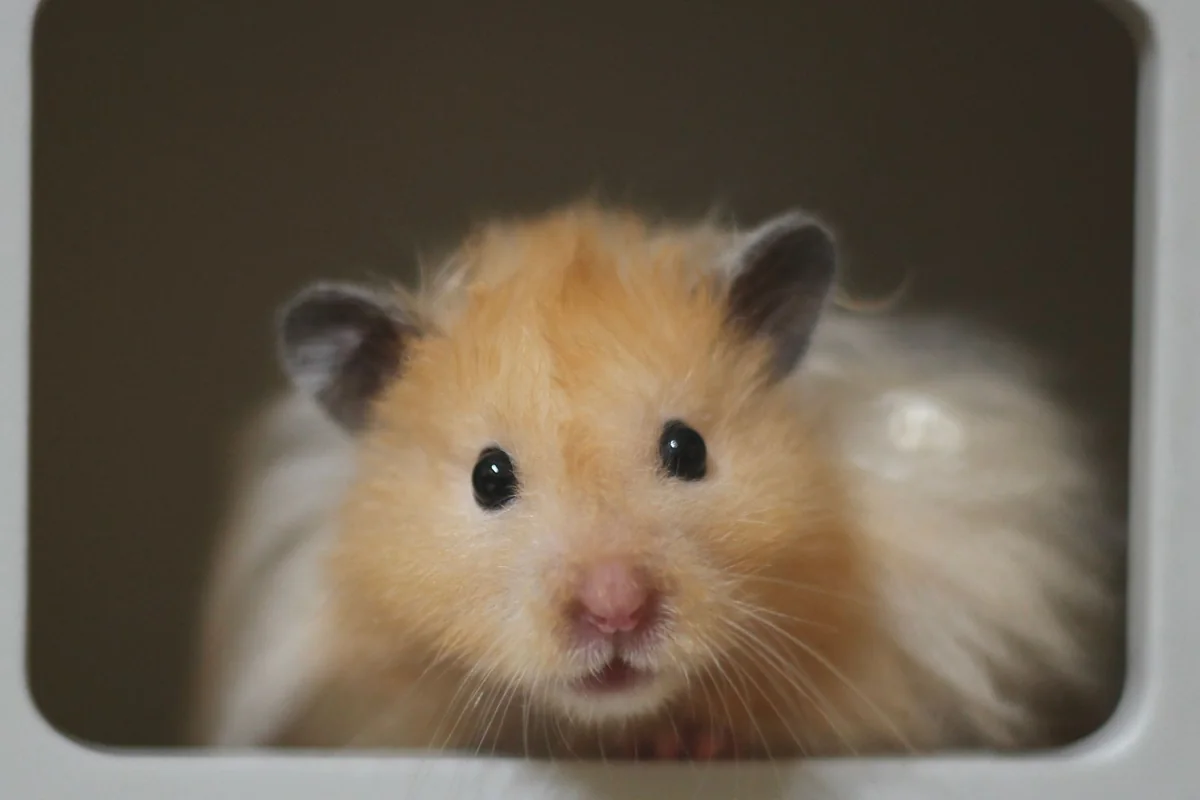
Build a simple evening hamster routine around voluntary wake times, quiet observation, reliable food and water, and a stable habitat.
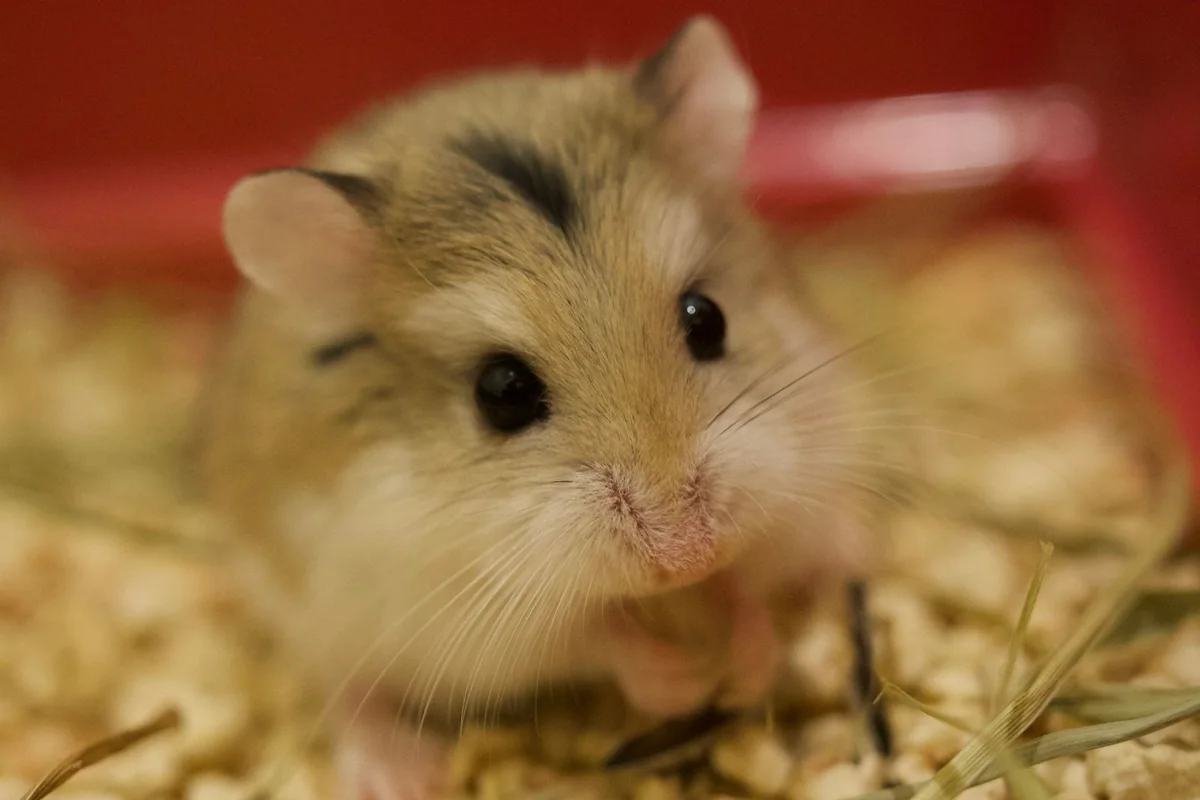
Design a hamster habitat with deep bedding, safely supported equipment, and accessible routes that leave room for tunnels beneath the surface.
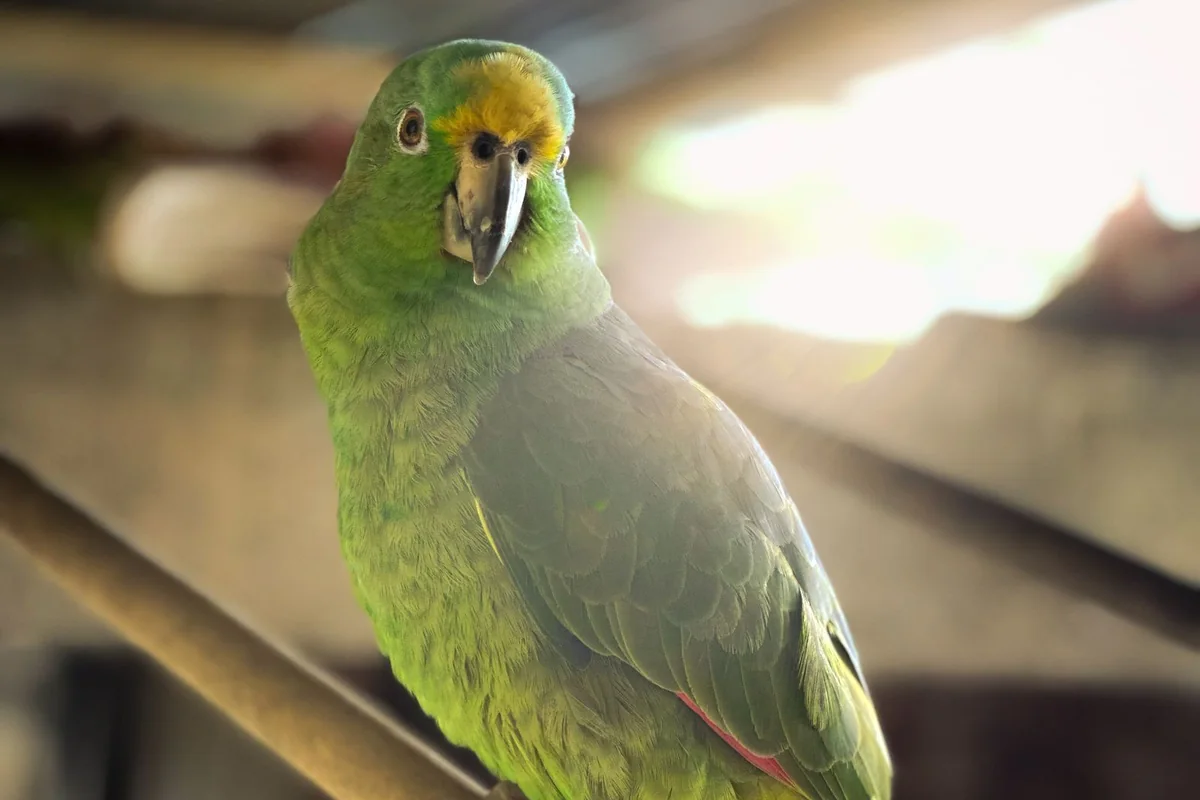
Teach a companion bird to look for familiar food using easy, supervised steps that preserve ordinary meals and work with its own curiosity.
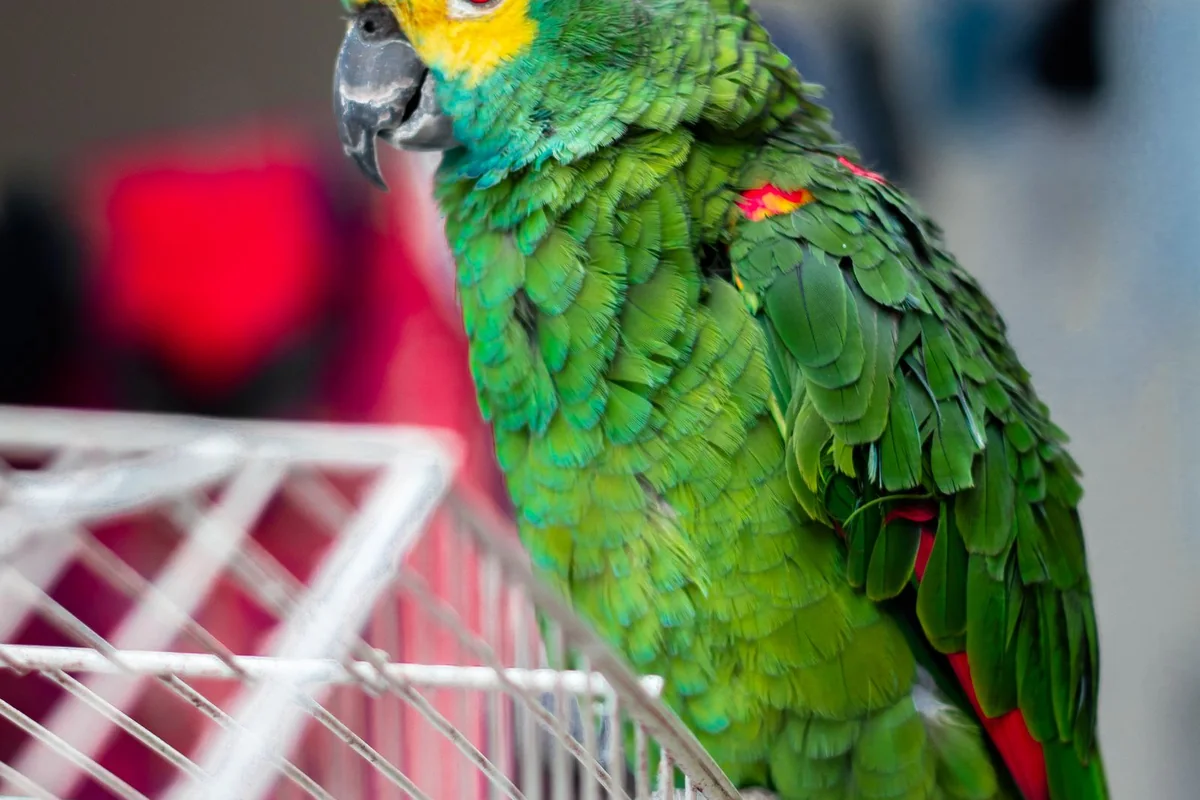
Place companion bird perches for easy movement, clean food and water, stable resting spots, and room to stretch without hitting obstacles.
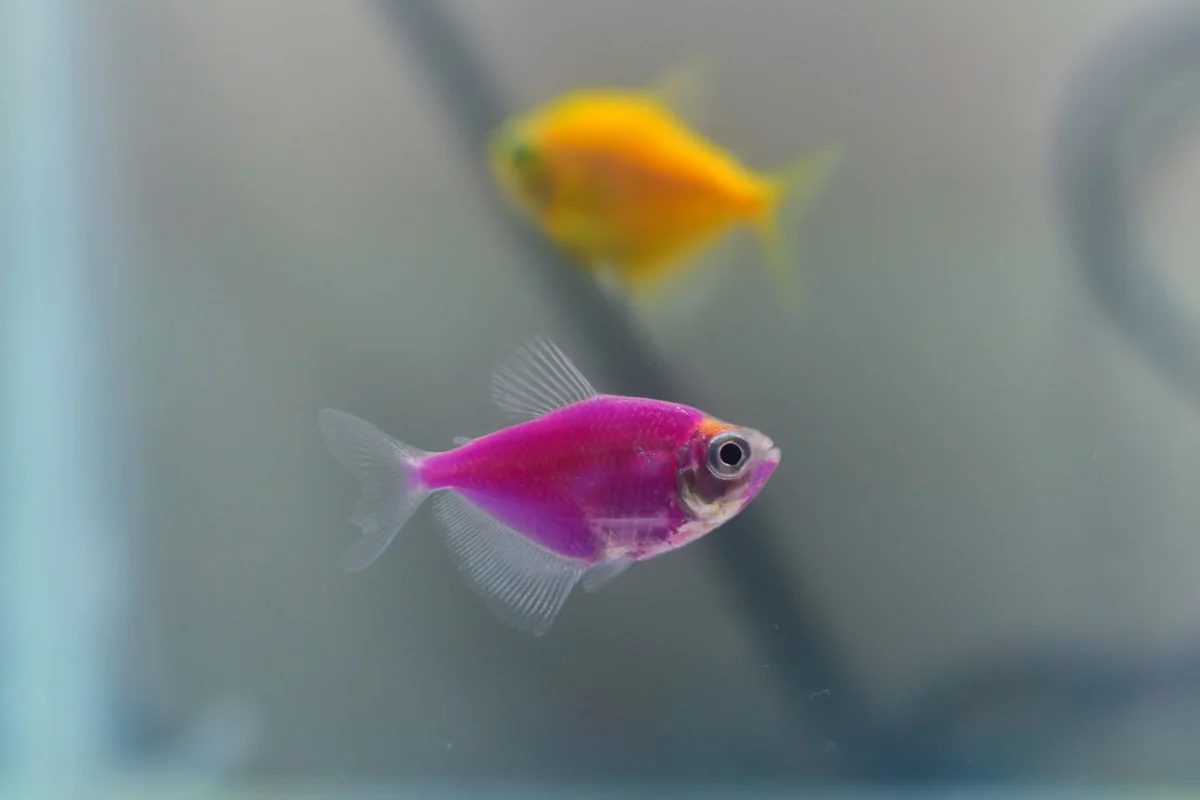
Start a short aquarium journal with a consistent viewing spot, observations about individual fish, and notes you can share with a specialist.
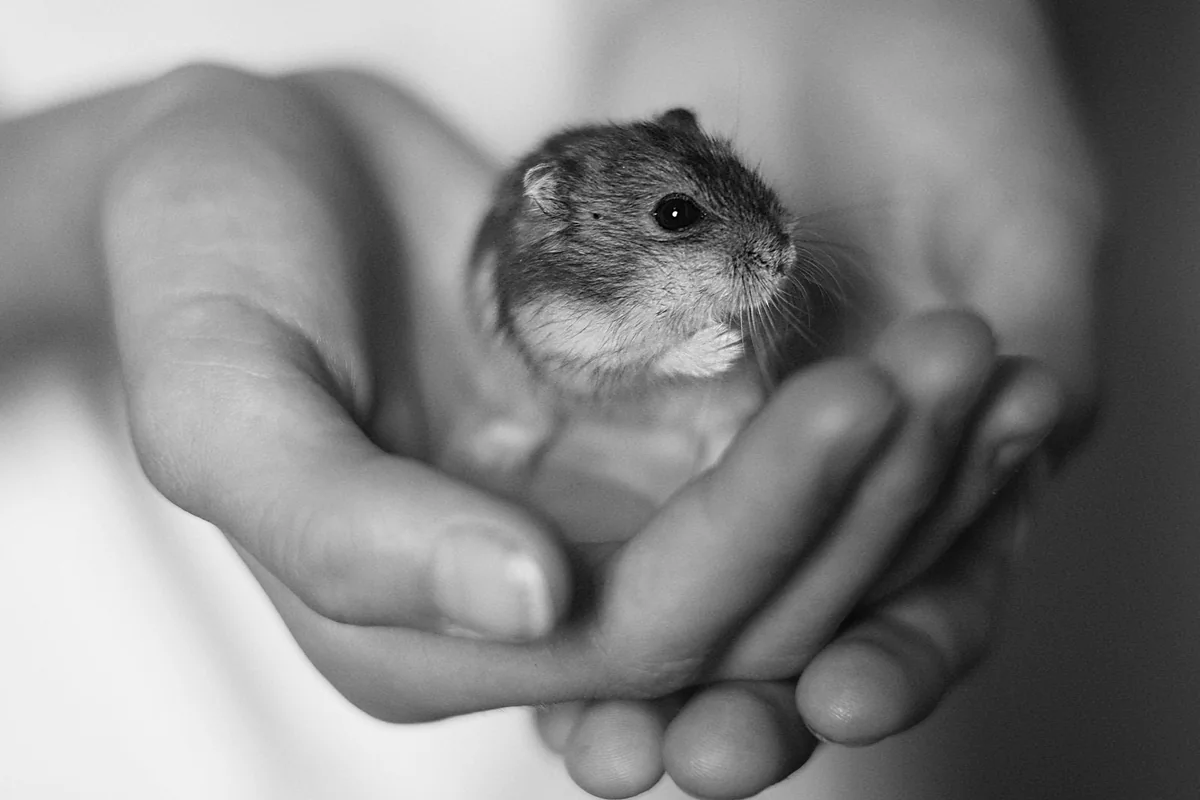
Prepare a reliable small-pet sitter with a live walkthrough, clear daily observations, emergency contacts, and a tested backup plan.

Set up a pet feeding station that makes portions easy to track, gives each animal room to eat and keeps cleanup within reach.
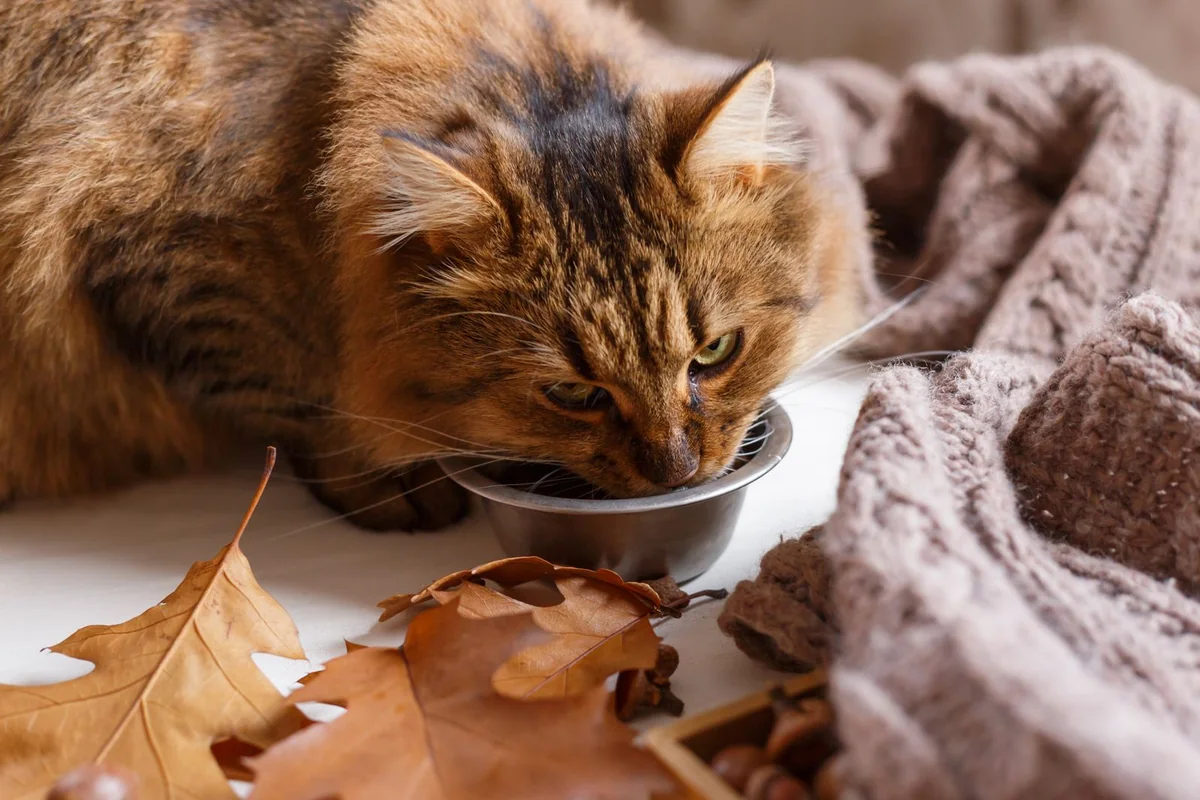
Plan clean, accessible water stations around where your animals rest and move, then observe which bowls they choose over an ordinary week.
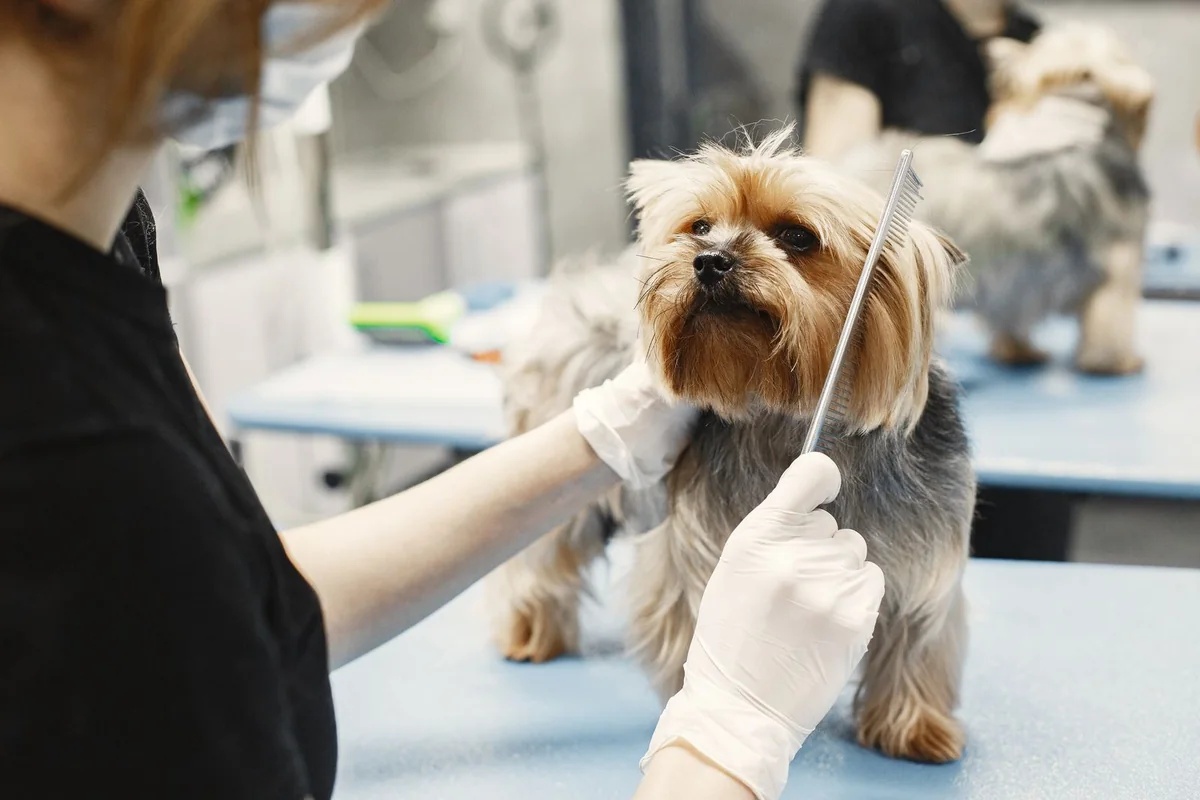
Learn how to set up a quiet coat-care routine, recognize when your dog wants a break and decide which grooming jobs need professional help.
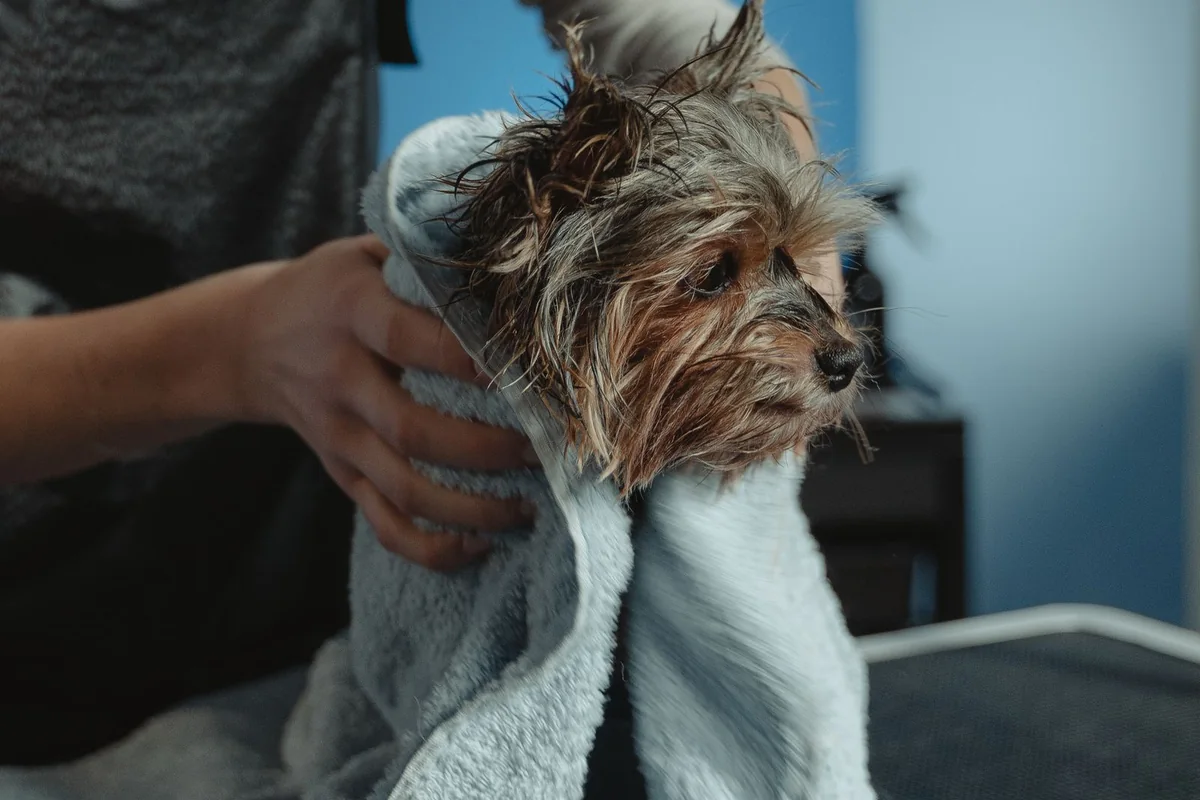
Set up a slip-resistant landing spot and learn what to blot, rinse, or check when your dog comes home from a wet or muddy walk.

Build an easy bedding rotation for pets by separating washable layers, picking the right laundry cycle, and drying bulky pieces fully.
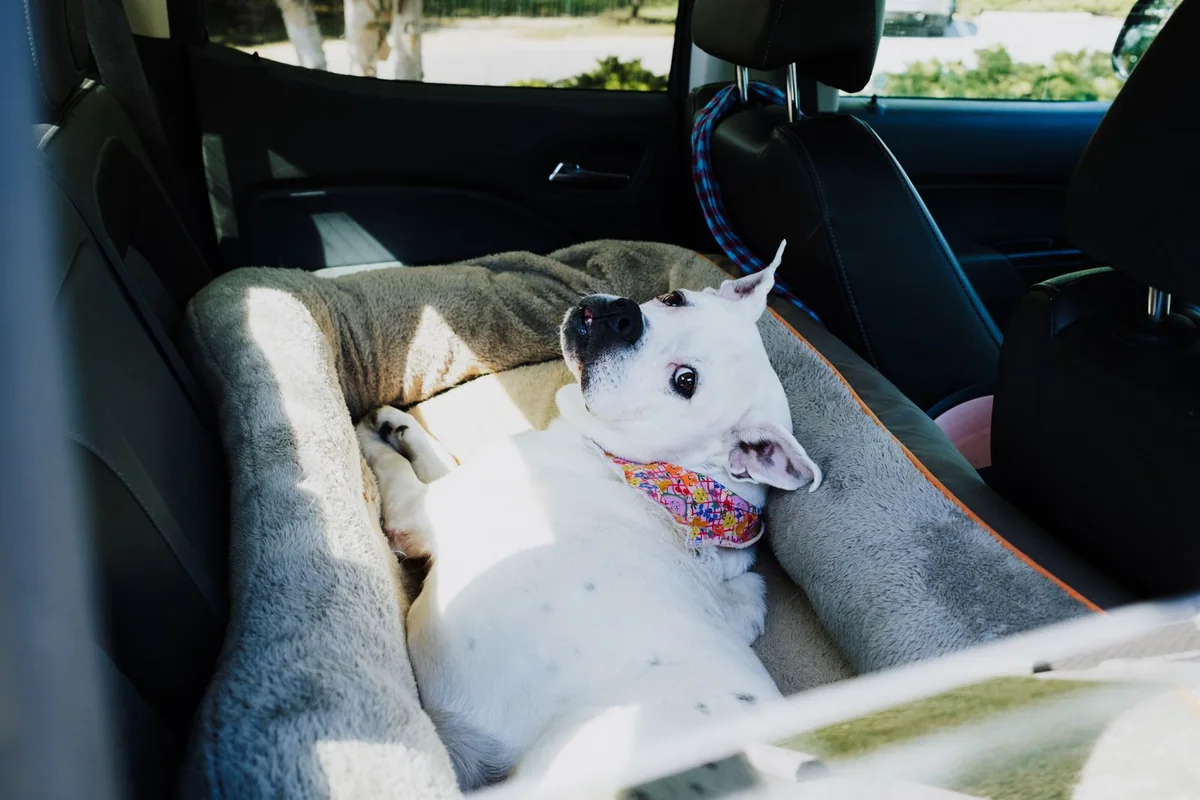
Prepare a secure carrier or travel harness, test a short route, and plan pet-safe stops before leaving on a longer drive with a dog or cat.
Organize a safe room, a clearly labeled travel kit, and a calm handoff at your new address so your pets have a place while the boxes move.

Know what to ask a rental host, what to inspect at check-in, and how to set up a quiet first night for the dog or cat traveling with you.

Choose a dog-friendly trail that fits your dog's pace, then plan for shade, water, wildlife, trail etiquette, and an easy turnaround.

Build a useful pet emergency binder with transport details, veterinary contacts, authorizations and a one-page summary a backup caregiver can follow.