A Quiet Room for Your Cat When the House Gets Loud
Set up a safe retreat for your cat during guests, loud chores, or neighborhood noise, and make returning to the rest of the home easy.

A dinner guest only has to knock twice to draw a cat's attention. Then comes the front door, a cluster of shoes and coats, and voices the cat has never heard. By the time someone thinks to prepare the quiet room, the cat may already be under the bed in a part of the home people need to use. Choose the room while nothing in particular is happening. The best rehearsal is a regular evening.
Give your cat a familiar retreat with an accessible place to hide, water, a litter box when needed and a predictable amount of company. Set it up before the noise starts, and manage doors so the cat can stay secure. Afterward, offer a quiet route back to the rest of the home once the exterior doors are closed and the household has settled.
Choose the room by its edges
At midday, a bedroom may seem to be the quietest corner of the house. At night it may share a wall with the loudspeaker downstairs. The utility room may have a door that seals well, but a washer makes the floor vibrate. Walk the proposed route at the kind of hour in which guests normally arrive or the loud work normally happens. Listen from somewhere close to the floor, where your cat may choose to sit.
Think about what passes the doorway. A peaceful guest room may adjoin the bathroom that everyone will use. If you can hear the bathroom door slam, a cat in the room will hear it too. Moving the retreat to a less central room, or giving guests directions to another restroom, can change the experience. Keep the cat's hiding place away from the point where someone will speak through the door.
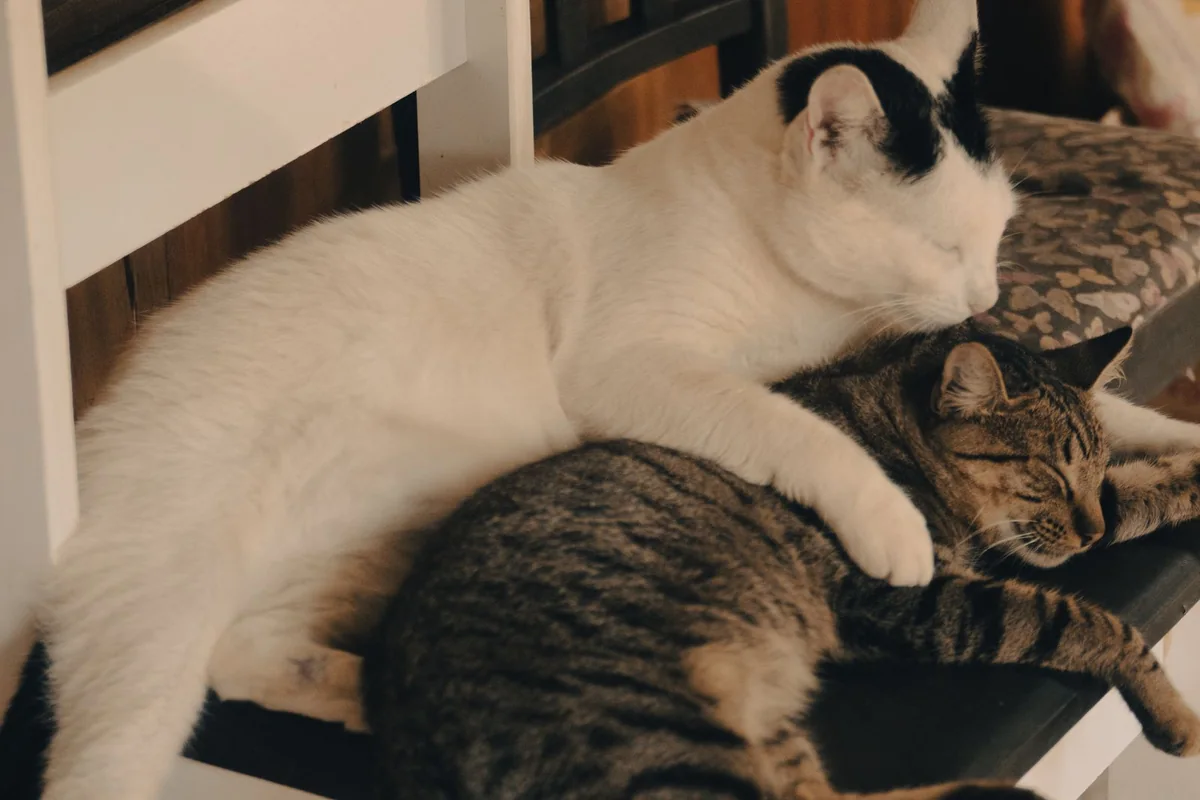
Prepare a resting spot and a hiding option that are safe to enter and leave. A sturdy box on its side can work if your cat chooses it already. A bed partly covered by furniture provides another experience. Avoid allowing access inside chairs, behind appliances or among objects that could topple. Give the cat a clear floor area to turn in and a visible path to essentials. Provide separate places for food, water and toileting as the length of the stay requires.
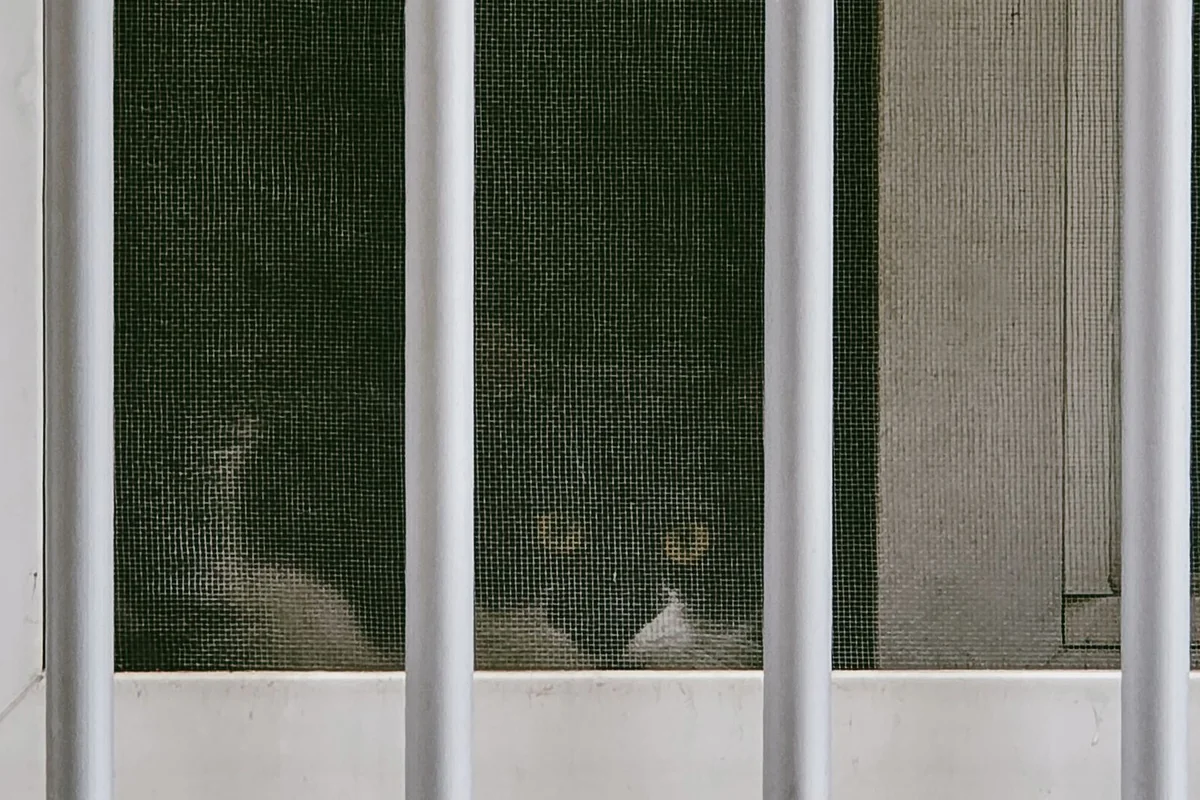
Some cats settle better when the window view is quiet. Close and secure the window. Lower a blind if nearby activity is visually overwhelming, and keep cords secured. You can try modest background sound the cat already knows, such as a familiar fan used safely, if it helps soften intermittent voices. Very loud sound in the retreat adds another source of stimulation. Ask whether you would willingly spend the evening sitting in that room.
Settle in before everyone arrives
Offer access to the retreat on several ordinary days. A blanket that already belongs to the cat makes more sense than a new collection of beds. You might leave a suitable toy or spend a few minutes folding laundry nearby. Let the cat choose when to go in while the route is safe. If a cat already spends afternoons there, the arrangement may require little more than making space for supplies.
When guests are expected, prepare before the doorbell or arrival texts. Put water out, make sure the box is available, and close the exterior windows. If the front door will open repeatedly, guide the cat to the secure room in advance without chasing. A little of its usual food may help if the routine suits the cat. Leave it comfortable and able to rest. Tell the people who live with you that the arrangement is in place.
Give one adult responsibility for the cat and the room. That person can do necessary checks, keep track of meals, and tell guests which areas are for them. A sign helps if a visitor may believe the door leads to a coat closet. In a house with young children, a direct explanation can work better than a long rule. The cat is having a quiet evening here, and this door stays closed. Invite the children to help put coats somewhere else.
A cat that likes visitors may still need a protected arrival period. People entering with bags, a door standing open, or a child on the floor combine into a different event from two adults talking from chairs. After the doors are secure and everyone is settled, you can assess whether giving your cat access to a wider area is appropriate. Keep the retreat available if you do so. The cat can come out for a minute and then change its mind.
Help a guest be easy to be around
Tell guests what to do if a cat appears. An interested cat can approach a seated visitor on its own. The guest can give it a moment to sniff and choose how close it wants to get. A person who looks away and moves quietly is easier to investigate than someone who calls, reaches or follows. Keep the dog of a houseguest in a different secure space unless you have already made safe arrangements for those animals.
Give children something concrete they can do in the room without the cat. A board game, snacks at the table or a reading spot elsewhere gives people less reason to approach the retreat. If a child asks to meet the cat, explain that they can see whether the cat comes out later. Ask the accompanying adult to supervise any contact and leave the cat a route away.
Think about the movement of the event. The greatest risk of a startle or escape may come near the end, when several people leave at once. Someone retrieving a coat can step backward through a door another person is concentrating on closing. Put the cat back in its safe room before departures if the route could be exposed. Keep the entry rules the same when people take out the trash or bring in food during the middle of the evening.
After the last guest goes, clear items that block the cat's paths. A chair shifted for the meal might crowd the route to a favorite window or litter box. Lower the volume, close the exterior doors and allow your cat to venture out under safe conditions. If it remains in bed long after the house clears, let that be its decision. Restore familiar food and cleaning routines on schedule.
Loud chores and sharp outdoor noise
The same room can help during a stretch of sanding, vacuuming or other temporary disruption. When contractors are involved, tell them an animal is in a specified room and confirm that nobody needs to enter without speaking to you. If workers need access to the whole home or the noise and dust cannot be contained safely, arrange another secure, familiar option with suitable care. Plan it before furniture is moved or work begins.
For regular noisy chores, use a known sequence. Safe room first, vacuum second, quiet return afterward. You can divide the home into smaller areas and offer the cat its usual room while cleaning elsewhere. Check that cords, moving furniture and the cleaning products used are inaccessible. A predictable, short chore can be easier on the cat and the person doing it.
For neighborhood fireworks, thunderstorms or similar events, prepare while you have the time and the house is secure. Check that identification and microchip details are current if relevant, and keep the cat inside. Where heavy noise is predictable, see how your cat does with the curtains closed and familiar background sound available at comfortable volume. If a storm is already in progress, a cat may have chosen its own safe hiding spot. Give it space there where practical.
Ongoing or severe distress deserves individualized advice. If your cat routinely panics during noise events, ask a veterinarian about a plan before the next likely event. Describe what happens during the sound and how long it takes to recover. Leave medication choices to the veterinarian. A friend may have useful information about a tool their cat tolerates, but the same product or schedule can be unsuitable for another animal.
The next morning tells you how it went
Check the things you can observe. Did your cat take its usual meals? Did you find ordinary litter box use? Was it able to resume familiar activities while other people were in the house, or only after they left? A cat can choose to hide for a while and experience a manageable evening. Repeated refusal of food, unusual toileting, signs of illness or a prolonged change in behavior warrant a conversation with your veterinarian.
Consider how well the arrangement served the humans too. If checking the cat required someone to pass a group every fifteen minutes, the room may have been inconvenient to use. If people kept asking the wrong person when they could open the door, designate someone who can answer next time. One well-placed bag of litter and one assigned adult can make the plan easier to maintain.
You can learn from a visit even if the cat never appears. The sound of plates being stacked may have mattered more than the number of guests, or the cat may have come out naturally once the room was quiet. Make one change next time if you have a specific observation to work from. A settled cat and a quiet, secure room are good reasons to keep the rest of the arrangement familiar.