Where to Put Water Bowls So Pets Actually Use Them
Plan clean, accessible water stations around where your animals rest and move, then observe which bowls they choose over an ordinary week.
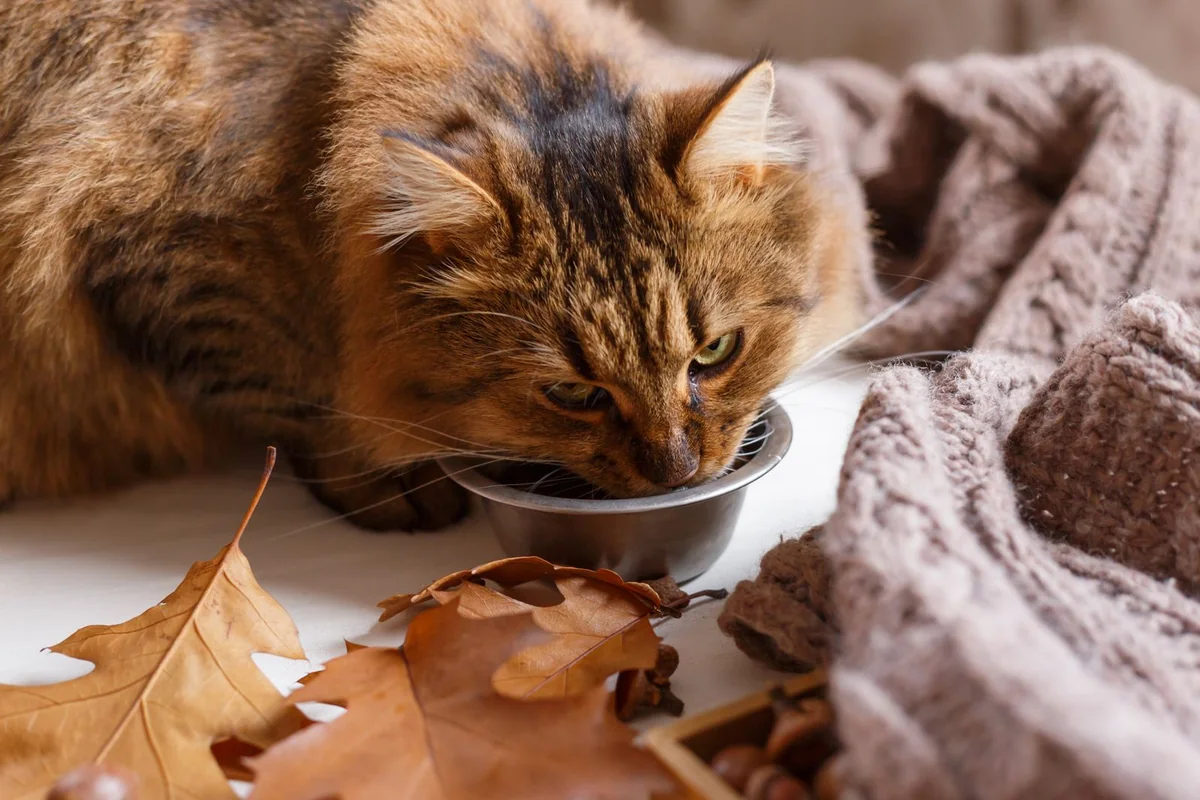
At the end of the day there are two inches of water left in the bowl beside the food. That sounds reassuring, until you notice the cat drinking from the glass on your desk. Her preference may have something to do with the height of the glass, the quieter room or its position on a route she uses all afternoon. It is hard to tell by looking down at the original bowl. A practical household water setup begins with noticing where a pet already feels comfortable stopping. From there, you can make water easier to reach and easier for people to keep clean.
Follow the daily map
For a day or two, leave the existing bowls in place. Notice where each pet wakes, crosses a room, waits by a door or follows someone upstairs. Identify any floor or wing of the home where a pet spends hours without passing a bowl. Pay attention to closed bedroom doors and gates. A station that looks accessible at midday can end up behind a barrier overnight. If you have more than one pet, ask whether the same path is easy for all of them. A dog sleeping in the laundry room doorway can make that route quietly impractical for a cat.
A useful place is out of direct traffic, open on at least one side, and close enough to an established route that it will become familiar. A wide landing or the wall of a quiet room can work if there is room to pass without stepping on the mat. Keep water away from places where household cleaners, shoes or other material might fall into it. A pet can have more than one option. For example, a second bowl on the upper floor reduces dependence on a staircase for an animal that spends most of the afternoon there. Start with a small number of stations you can maintain well.
Look at what happens during the busiest part of the day. Bowls beside the kettle, washing machine or sliding doors may be peaceful when the room is empty. A dog that walks away every time a metal pan clatters may simply be telling you something about the site. For a cat, try a water bowl away from the food and litter area and observe the response. Familiar routines and individual preference both matter, so keep other safe bowls available.
Compare bowls one observation at a time
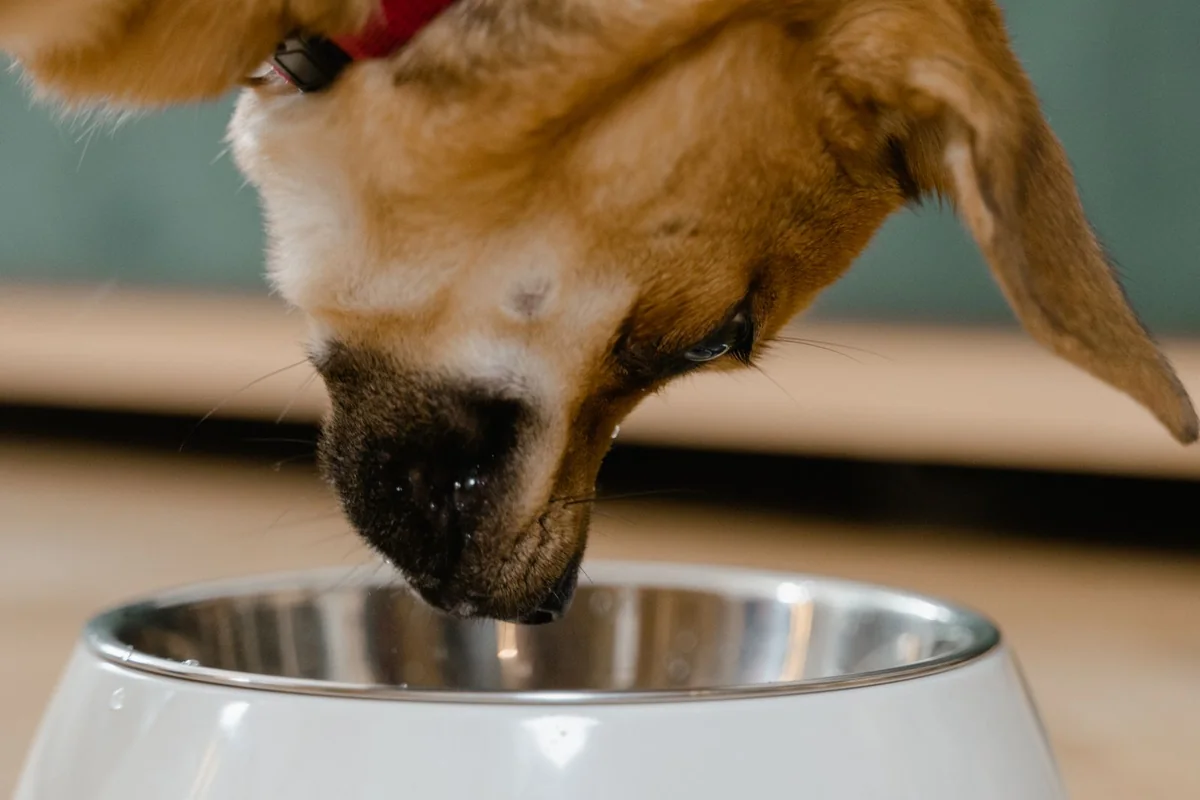
Pick a bowl that is stable, easy to clean and large enough for the pet to drink without tipping it. A broad ceramic or stainless steel bowl is a straightforward trial if the base is secure and the finish is intact. Some animals avoid a bowl that slides on the floor or rings against a collar tag. Try a washable mat or a heavier dish. If one edge sits higher because a floor is uneven, shift the mat before attempting to balance the bowl using loose objects. Place it where the pet can approach squarely if that is more comfortable.
Do a small comparison instead of changing the layout, shape, water and timing all at once. When the location is the question, put the same style of bowl in two safe places with fresh water. If you need to learn about the dish, use two clean dishes in a pair of equally quiet locations and switch the pair after a few days. No experiment in a live household is perfectly controlled. A visitor or a sunny patch on the floor can make one day the exception. The aim is to see whether a choice occurs regularly enough to give you a better place to refill.
Check the approach rather than reading the bottom of the bowl. Does a pet step straight up or stretch forward from an awkward angle? Does it drink and leave, or pace around until another animal moves? A bowl in a corner may seem neat from the doorway and offer no easy exit for the pet standing in front of it. A senior animal that slips on a polished tile floor may have an easier approach on a clean non-slip surface. If an animal seems painful, unsteady or suddenly reluctant to lower its head, seek individual veterinary advice.
Put the cleanup supplies on the refill route
Choose a normal time to dump old water, wash the bowl and fill it with fresh potable water. Check it again when you come home or do the evening round. An extra set of bowls helps if the main dishes are being washed. During washing, especially at the waterline, check for a slippery residue. Scrub and rinse thoroughly according to the dish instructions. Cracked or chipped surfaces can be difficult to keep clean, and sharp edges are a reason to replace a bowl.
A large tray can catch splashes, but inspect under it. When a mat lies on hardwood all day, water can work its way beyond the edge without showing on top. Make it part of the routine to lift and dry both surfaces. A towel under a dish needs to be changed when it becomes wet. Put spare dry mats somewhere you reach naturally while rotating dishes. If the most attractive bowl lives in a room no one visits in the evening, give that station a line on the household list or keep it where it will reliably be seen.
A fountain can be useful for a pet that chooses moving water. It also comes with a pump, a reservoir, a cord and small parts that need cleaning on schedule. Read those instructions before deciding whether it suits your household. Make sure cables are protected from chewing and the equipment is installed safely. Leave a plain water bowl available in case the fountain is unplugged, disassembled or avoided. Check for debris around the pump, and follow the manufacturer guidance for replacement filters. Watch whether the pet drinks comfortably and whether the humans can keep the equipment clean.
Track changes without guessing at causes
A bowl that empties faster may have been spilled, sampled by a second pet or topped up at a different time the day before. Weather, activity and changes in food can also affect how much an animal drinks. If you want to learn what is normal, record the refill time, the location and what you actually saw. A useful entry might say that the cat drank at the upper landing after a nap and that the dog spent the afternoon outside with you. Record an unchanged bowl as “level looked unchanged” when you were away.
Households with multiple animals sometimes want to know exactly who is using each bowl. A brief supervised observation during each animal's usual routine may yield more information than reducing the number of water sources. Give all pets unrestricted access to appropriate drinking water unless an attending veterinarian has provided a specific medical instruction. If you need to bring notes to an appointment, ask how the clinic wants you to measure and over what period. Keep the veterinarian instructions with your record so another household member can follow the same method.
If you observe a marked or persistent change in drinking, urination, appetite or energy, call a veterinarian for advice. Mention what you already tried and when you first noticed the change. If your pet seems unwell or cannot keep water down, contact a veterinarian promptly. A written baseline helps explain a change, but you can make the call before collecting a perfect baseline. Bowl placement has a role in the home setup. A health concern needs individual assessment.
Make the water available when life changes
On a hot afternoon, a station by a shaded wall may stay more inviting than one in a sunbeam. On a cold night you may shut a door that usually stands open. Check the routes when the house is different, such as during a visit, a repair or a rearranged work day. If a pet moves to a quieter room while people are working elsewhere, put a familiar water bowl in the room before the door closes. Make sure it is stationary, visible and removed from areas that will be busy. For travel, carry water and a clean dish appropriate to your pet, and offer water during suitable breaks.
The next time someone has house duty, describe the setup in one sentence per room. For example, the upstairs bowl is for the animals that nap behind the bedroom door, while the kitchen bowl will be washed at dinner. Identify which clean container to use if the original is in the dishwasher. A useful instruction should be simple enough to remember during a visit and specific enough to prevent the most likely error. In a bigger household, a check mark might be helpful during vacations. Daily life may just need the station to be somewhere the responsible person will see it.
At the end of the week, look back at the bowls you refilled, the times you saw an animal drink, and the areas that stayed clean. Let those observations decide which locations remain. You might keep the original next to the kitchen, leave the upper landing bowl and move the one no one used near the living room. Once the setup works you can stop watching every approach. The goal is to give each animal a comfortable place to drink and leave a schedule the people in the house can keep.