An Older Dog's Route Through the House
Make the familiar home easier for a senior dog to navigate with better footing, lower-effort routines, and a useful mobility check.
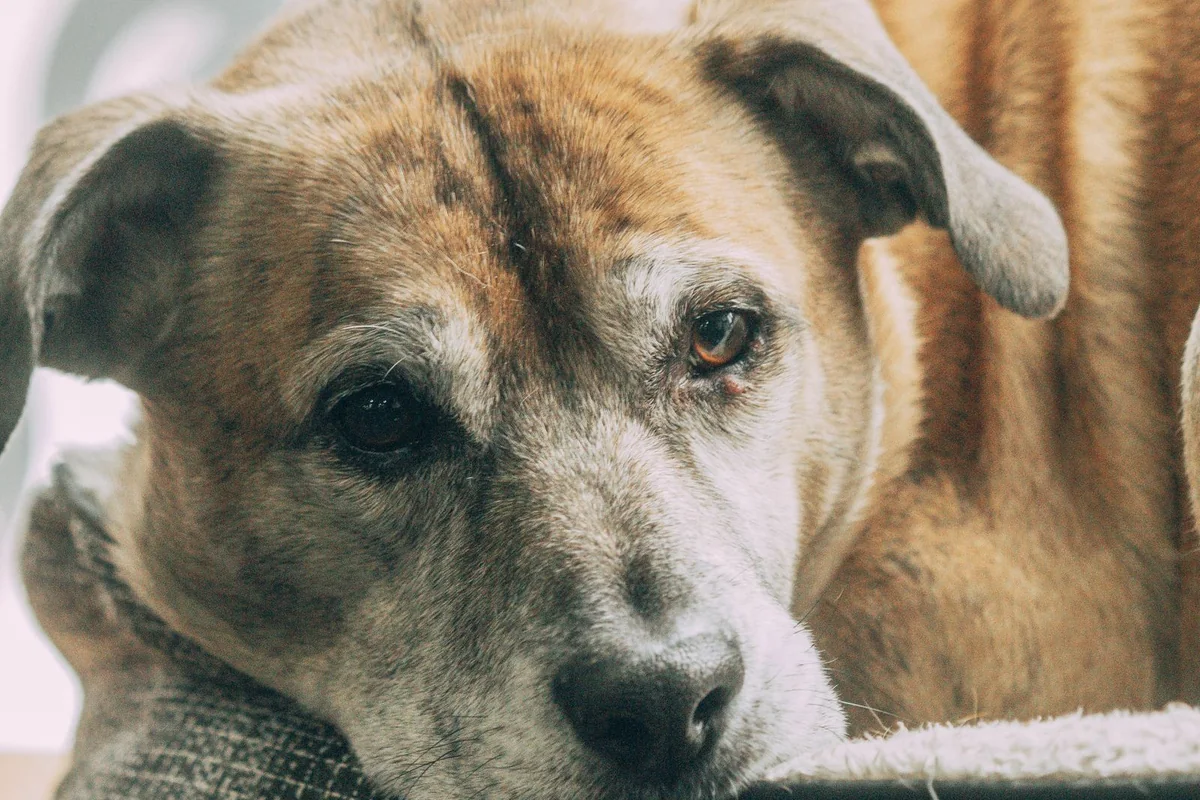
One evening your dog goes to get a drink and stops at the edge of the rug. They look toward the bowl, then step onto the narrow strip of floor with their front paws and draw them back. The bowl is in the same place it was yesterday. The route all the way to it may have begun to feel different.
Make an older dog's usual trips easier first. Provide a continuous grippy path between the bed, water, and preferred exit. Give them a comfortable place to lie down and rise. Keep essentials on a level they can reach safely. Any new or worsening mobility change deserves a veterinarian's attention, even if a small change to the house makes the immediate trip easier.
Follow the trips your dog takes without you
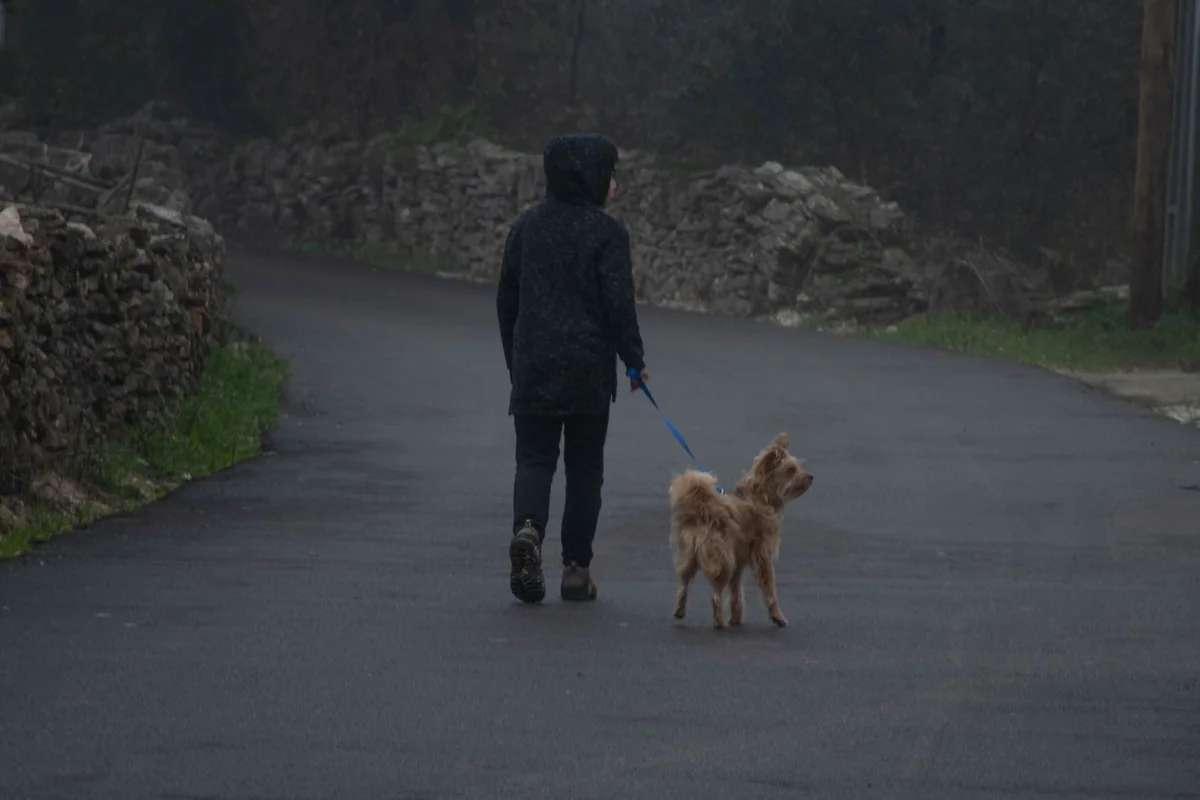
Observe an ordinary morning. Where does the dog get up? Which path do they take when they hear breakfast? Is there a tight turn from the hallway into the kitchen or a step they handle differently when heading outside? Notice where the animal delays, slides or shifts weight. A dog can be eager to get somewhere and still hesitate at the part that demands the most effort.
Start with one small map. Draw the room or make a list in the order your dog uses it. Record the floor material and any edge, threshold or gap along the way. Pay attention to turns. A straight grippy runner is helpful, but if it ends just before a slick right angle, the dog still has to choose whether to take the corner.
Short videos of normal movement can be useful for your veterinary team. Film while the dog is naturally getting up or walking to water. Avoid repeatedly asking the dog to cross a difficult surface for the camera. Record what time of day it happened and whether you have noticed changes in eating, resting or interest in walks. Give the veterinarian the recent normal as well as the newest change.
Make better footing continuous
Use runners or low-profile mats with reliable nonslip backing. Walk the route in shoes and bare feet to feel where a mat moves, curls up or creates an edge. Watch the dog approach while you are nearby, keeping the choice low-pressure. Secure loose corners in a way compatible with the floor and without leaving anything exposed that a pet could chew.
A patch near the bowl is useful only if it connects to a safe route from the bed. You may need one additional piece between the rug and the doorway, or a wider patch at a corner. Leave enough space for the dog to place all four feet and make a gradual turn. Choose a configuration you can keep dry and clean, particularly near a water dish or outside door.
Do the same with the entrance. A small wet patch inside the door or an unstable outdoor mat can undo the traction you have added everywhere else. Towel the area if it becomes slick and keep a dry path clear when someone brings in groceries. Check mat edges after mopping and after moving a chair. A piece that worked yesterday can shift during routine housework.
Move essentials closer without losing familiar landmarks
Give the dog stable, accessible water on the level where they spend most of their time. You can add a second bowl rather than immediately removing the familiar one. Put it where your dog can stand comfortably and walk away without backing out of a tight gap. If you are considering changing the height of feeding dishes, discuss the decision with your veterinary team based on your dog's individual needs.
Leave a clear path to the bed. Some dogs like a firm surface that offers support when they stand up. Others have a favourite bed they can enter easily, and changing a wobbly approach makes it usable again. Look for folds or high edges that block a short stride. The best position might be alongside the family rather than in the exact corner you used when your dog was younger.
Consider how your dog finds their way after dark. If they are unsettled near thresholds or collide with things, talk with the veterinarian. Maintain a familiar furniture layout in the meantime, keep floors clear, and use a low-level light on the path to the water or door if it helps. Place furniture where it can stay for a while. A safe route is easier to remember when its shape is consistent.
Make fewer trips depend on stairs
See whether the household can move the dog's routine to one accessible level. A safe gate can prevent unsupervised stair use when falling is a concern. Choose a gate designed and installed for the location, particularly at the top of a staircase. Avoid setups that force people to step over a barrier while carrying things. Show the person who usually comes home last how to secure the route on arrival.
Ramps and steps can be helpful for some animals. Match the equipment to the dog and the location. Give a ramp a stable base, good traction and a gentle slope. It should allow the whole animal to move without slipping off the edge. Ask your veterinarian or an animal rehabilitation professional whether a ramp, stair access, or another solution suits your dog before relying on it. Introduce any equipment gradually and supervise early use.
Supporting or lifting a dog requires care, especially when the dog is large, sore or unsteady. Ask the veterinary team to show you safe handling and discuss whether a properly fitted support harness is appropriate. If a daily task depends on a lift that you struggle to manage, review the setting before doing it again. Moving the task to ground level may remove the problem entirely.
Adapt the outside trip to your dog's comfortable pace
Leave enough time to step through the door and get a foothold. Some older dogs can handle a brief trip to a familiar area more comfortably than a single long outing. Watch how they move on the way home as well as on the way out. A dog who starts enthusiastically and becomes reluctant on the return may benefit from an earlier turn and a discussion with their veterinary team about the right type and amount of activity.
Give the last part of the walk a little attention. Is there a high sill into your home? Does everyone take off their shoes exactly where the dog needs to turn? Can the dog reach their water without crossing the muddy or icy patch left by other people? You can make improvements without changing the dog's preferred places outdoors. Start with the entrance they already use.
An unfamiliar arrangement can make a hesitant dog stop. If your dog normally uses the garden and the new solution involves a front step, go out with them and allow time to investigate the difference. Pace the change according to what they can do comfortably. If the first route remains too difficult, seek individual help with access rather than testing it repeatedly.
Leave room for other pets and people
The easiest path can become unavailable when another dog sleeps on it. Give each pet an appealing resting area out of the routes that everyone needs. If dishes or toys regularly draw both animals to a tight corner, give them more space by moving the activity. A slower dog should be able to eat, drink and leave the area without having to hurry past another animal.
Think about where people put things when they come home. Shoes can collect beside a door and a laundry basket can spend most of the afternoon on a runner. Make an obvious place for these objects off the dog's route. Keep the changes easy for everyone to remember. If your family prefers to put bags beside the sofa, choose a storage spot on the side away from the bed.
After you change the layout, try using the door the way you typically do when you arrive carrying something. Check whether you can close it and give the dog time to move at a comfortable pace without stepping into their path. This matters especially in small entries, where a person, a large dog and a shopping bag all need the same square of floor. A hook or shelf can let you put the bag down before helping with the next step.
See whether the next ordinary trip improved
After adding a runner or moving a bowl, watch once from where you usually sit. Look for a more direct walk, fewer pauses, or easier turns. A calmer approach tells you the arrangement may be working. If the dog avoids a route after you have improved its footing, consider the edge, the noise underfoot and the act of getting up in the first place.
Keep a note of changes you notice over the week. Sudden difficulty standing or walking, a fall, apparent pain or a marked behaviour change calls for prompt veterinary advice. A rug may solve one practical obstacle. The clinician can assess why that obstacle became significant and offer care suited to the dog.
It is easy to build a route that looks elegant from across the room and still leaves one patch missing. Let your dog show you the practical version. They will keep choosing their familiar bed, their usual trip to water and the door they know. Your work is making that small round feel familiar to walk as well as to look at.