What to Leave Your Dog Sitter on the First Visit
Give a new dog sitter a clear first visit with a short care sheet, a quiet introduction, a practice handoff, and an emergency plan.
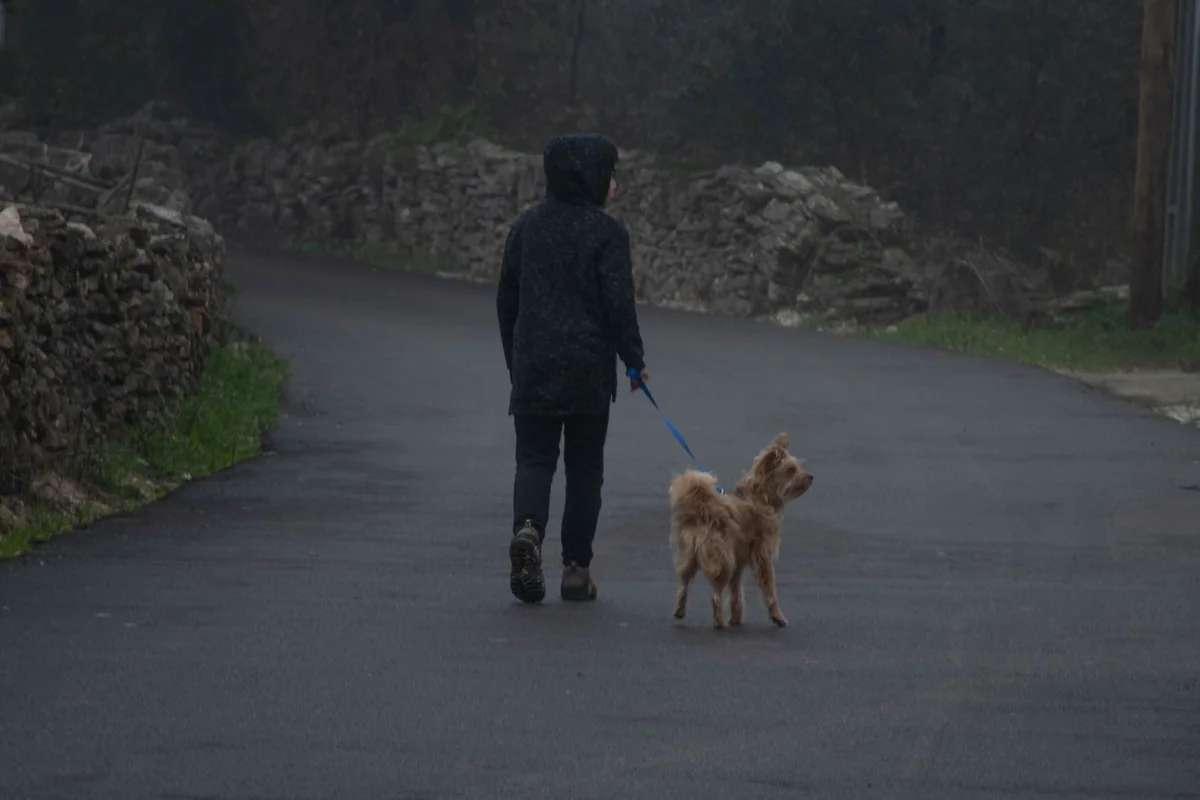
The things you should tell a dog sitter are often the things you do without thinking. The water bowl gets moved when the kitchen door opens. The side gate looks shut before the latch drops. The dog walks past the bakery every morning but still worries about the fan behind the building. Try explaining the first visit as someone who has never used the gate or seen the dog hesitate near the bakery.
Give a new sitter a short written plan, a chance to meet your dog in advance, and clear authority to act in an emergency. Show them the details that are easiest to misread. Draw special attention to any health condition, distress when alone, problem around handling, or bite history before confirming the job. This helps the sitter decide whether they can provide the care safely.
Begin with the first five minutes
Write down how the sitter enters. An apartment building may have a separate access step or a concierge who needs notice. A garden route may have two gates. Choose a private way to supply keys or temporary codes and confirm that the instructions work. If a door can be opened from the inside by an excited dog, explain the extra closed barrier you normally use.
Decide where your dog will be when the sitter comes in. A relaxed dog may be ready to approach on their own. A shy one may prefer to watch from a bed. Tell the sitter how to leave room for that choice. If you rely on a closed interior door, check who controls it and when it is safe to open. The sitter also needs a way to leave without a dog slipping into the hallway.
For a first meeting, use a quiet stretch of time while you are home. Ask the sitter to enter as they would on the real visit. Have them sit where the dog can take a look. Keep attention low until the dog shows comfortable interest. A dog who remains away can be introduced in stages. For some animals, a brief walk side by side with their regular person is an easier start.
Put the frequent jobs on one page
At the top of the care sheet, put your name and number, a reliable backup contact, and the dog's name. Write the essential activities in the order they usually happen. Separate feeding, bathroom breaks, medication if any, and walks from optional play. Pick clear times or realistic time windows. A one-page view helps somebody check what comes next while standing in the kitchen.
Use amounts that can be measured. Label the cup, preparation instructions, and location of the food. Tell the sitter what treats are permitted and whether the dog ever guards food or belongings. Mark where the dog can eat in peace, especially if you have several animals. Leave full names on medication packaging and write the veterinarian's exact instructions for any medicine the sitter has agreed and is qualified to administer.
Name the familiar cues your household uses and describe what you expect. “Wait” might mean pause by the door until a release, or it might mean pause while someone clips on the leash. A sitter can remember a handful of useful cues more easily after seeing them in context. Show what you do if a cue fails. One example might be waiting for a safer moment and then leaving through the side gate.
Show them the dog who lives there every day
Describe a normal meal, walk, and rest period in plain terms. A sitter will be better able to recognise a change if they know your dog usually circles for a while before settling, or leaves a small amount of breakfast for later. Keep descriptions factual. “Will stop at the corner if a delivery van is running” is a detail the sitter can use. “Sometimes stubborn” leaves them to decide what they see.
Point out the places your dog can go to take a break. If a cleaning service, a tradesperson or another visitor is expected, explain what should happen and give enough notice to arrange separation. Tell the sitter whether they may bring anyone else. Similarly, decide in advance whether the dog should interact with other pets, visit a park or travel in the sitter's car. Follow venue rules and keep the first outings familiar.
Have a separate conversation about things that could put either of them at risk. If your dog guards the front door, pulls hard after wildlife, or is anxious with unfamiliar handling, describe the exact setup that helps. Give an honest account of any previous bite, escape or physical restriction. An experienced sitter may ask to decline a task or arrange several introductions. Handle that decision before you leave.
Do a short rehearsal with the same equipment
Let the sitter clip on the dog's usual lead while you watch. Show how the harness closes and where the lead attaches. Leave a photo of the fitted harness if there are several straps. Confirm the ID tag is present and relevant registration or microchip contact information is up to date. Introduce no unfamiliar equipment on the morning you depart.
Walk the short route together. Stop at the tricky turn and show the wider side of the pavement. Tell the sitter where on-leash rules apply, which areas you avoid and how you handle another dog coming toward you. Point out a shorter route for poor weather. If the dog is anxious when you leave, work up to a very brief practice absence only if the dog can handle it comfortably.
Back inside, have the sitter locate a towel, refill the bowl and leave by the most convenient exit. The last action is easy to miss in a demonstration, especially when everyone is still talking. Let the person close the gate or lock the correct lock themselves. Ask where they would put a muddy leash when they come back. The answer may identify something you should move before you go.
Leave an emergency plan people can act on
Put the regular veterinarian and a local emergency veterinary clinic on the care sheet. Include phone numbers, addresses, and the preferred route to the clinic. Tell the sitter whom to contact if you are out of reach and what veterinary decisions they are authorised to make. Confirm arrangements with the clinic in advance, including any permissions or payment procedures the clinic requires. Keep any transport needs realistic for the dog's size and mobility.
Describe what the sitter is expected to tell you immediately and when they should seek veterinary help while attempting to reach you. Give them the dog's key health information in writing. For a medication error or a concern about something swallowed, the sitter should contact the veterinary team promptly and provide the package or product details. Treatment instructions belong with the veterinarian.
Agree on what to do if a sitter cannot get in, has a delay, or finds a gate damaged. A backup person should have instructions and an appropriate way to enter. Make sure the sitter knows who is the backup and under what circumstances to call them. Choose one person to coordinate so the dog does not receive duplicate meals or medication because two people both rushed over.
Leave a clear boundary around extras
When you have plenty of time together at home, a dog outing may expand to include a stop at a shop or a quiet detour. During a first sitting visit, simplicity helps. Show the sitter the actual area you want them to cover and leave enough time for the dog's usual sniffing pace. Say whether there is an all-weather alternative and whether a garden toilet break is sufficient when conditions make the normal walk unsuitable.
Point out household items that look pet-related but are off limits. A spare ball might be the wrong size or have a tear in the seam. An old lead may be waiting to go out with the rubbish. Move these items out of sight so what remains is what the sitter should use. If food in the refrigerator is intended only for a later meal, label it with the day or place it on a clearly identified shelf.
Pick one useful kind of update
Ask for a brief update after the first visit or walk. “Went out, ate breakfast, water refilled, settled in the living room” provides the facts you probably want. A photo is optional and should fit your agreement about privacy. Ask a sitter to send one while the dog is comfortable, without putting a delicate transition on hold for the camera.
If something is different from your instructions, invite the sitter to mention it. Maybe the dog's ordinary route was blocked or the food scoop did not match the stated amount. An update is a chance to adjust the plan gently after seeing it in use. Write down the correction before the next time and confirm that the same information reaches the backup person.
The ideal handoff will sound quite small in the telling. The sitter arrives with a working key. The dog knows enough about the person and place to take their time. The harness and food are easy to find. The sitter sends the message you agreed on. You can spend the rest of the evening thinking about something else.