Give Moving Day a Separate Plan for the Pets
Organize a safe room, a clearly labeled travel kit, and a calm handoff at your new address so your pets have a place while the boxes move.
By early afternoon, the person who usually feeds the dog may be holding one end of a table. A familiar door is propped open. The cat’s favorite hiding place has either gone into the truck or become the space behind a heavy pile of boxes. Moving day has its own logic, and a pet’s ordinary map of the household can disappear in an hour.
Choose who is responsible for each animal, where it stays at both addresses, and when it changes hands. Keep the animal separated from open doors and moving furniture. Set up a secure room at the new address before you give it more space. The simplest plan allows the pets to move on a schedule that can survive a truck arriving early.
Assign the job to someone who can do it
Decide which person will be the pet lead during loading, travel and unloading. The same person can stay responsible all day if that makes sense, or you can have a clear handoff at a specified time. Tell the movers or helpers which door must stay shut and who has permission to open it. If the pet lead also has to sign papers, lift furniture and handle the truck, make a smaller set of jobs or ask a familiar caregiver to take over.
Consider how your pet handles the people who are available. A dog that stays comfortably with a trusted sitter may do well spending the main loading hours away. For a cat that hides in a familiar room, remaining there while the rest of the house empties may be easier. Use a known, secure place and check that the person can maintain the animal's routines. Give them written details about meals, contact information and any special care.
Update identification before moving. Check that the registry attached to the microchip has usable contact information and that any collars and tags used are appropriate and current. Have a recent photo and copies of veterinary records where you can access them. For a distant move, ask the clinic about continuity of care, medicines and travel requirements well ahead of the truck. Review any pet rules for the destination building and the places you expect to stop on the way.
Walk the loading and unloading routes on paper. On a tight stairwell, the convenient room for the pet may be next to the widest landing where movers will pause. Choose another room if a solid door and a consistent route are available. If the household needs every room for packing, put a trusted outside helper or suitable boarding arrangement into the schedule before you need it.
Pack a bag that never goes on the truck
Use one clearly labeled bag for food, bowls, water, waste supplies, cleaning items, leads and a copy of needed information. Pack medication as directed and record its schedule. Leave a little extra food for delays, and include familiar bedding or a washable cover. For a cat, keep a box, usual litter and scoop ready for both ends of a long move. A dog may need a familiar leash, a backup, and a dry towel for the first night.
Put the bag near the person who will drive the pet, away from the general stack of boxes. It can go in the vehicle early as long as necessary items and any temperature-sensitive medication remain appropriately stored. Put a small note at the top that says when the pet ate, which items it has used, and who has the carrier. Record times as the day progresses if caregivers will change. Knowing that a meal was offered is especially helpful when everyone has been working from memory.
Leave the carrier or travel restraint out before move day if possible. Check latches, fit and how you will secure it in your vehicle. Let your pet get familiar with it on quieter days. Bring the carrier to the room before furniture has begun to move and keep it flat, stable and open while the room is secure if your cat uses it as a resting place. Give the vehicle a separate plan for bulky items so everything has a safe position.
A few supplies belong outside the bag. A clear sign identifies the closed room. A familiar bed makes it feel usable while the furniture is being taken apart. A second person or a note on your phone can remind you to secure doors before bringing the animal out. Those things are cheap to prepare and surprisingly hard to improvise when the crew is waiting to leave.
Use a room that can stay closed until the last load
Set the room up before the main arrivals. Check windows, block unsafe hiding places, and provide a comfortable, accessible place for the animal to withdraw. Offer its usual water and appropriate toileting arrangements, with those resources spaced where possible. Make the space ready at a temperature that will stay comfortable after other doors are opened. Keep tools, detergent and packing materials out of reach, including string, tape and plastic used to bundle items.
Choose what happens when someone needs an item from inside. Leave essentials for the rest of the move outside so the room can stay closed. Assign the pet lead to handle access. Large furniture can wait until after the pet has been loaded and removed if it must go through that room. Confirm the change with the movers before people begin. A chair that can stay in place for one more hour may keep the room useful for both the cat and the household.
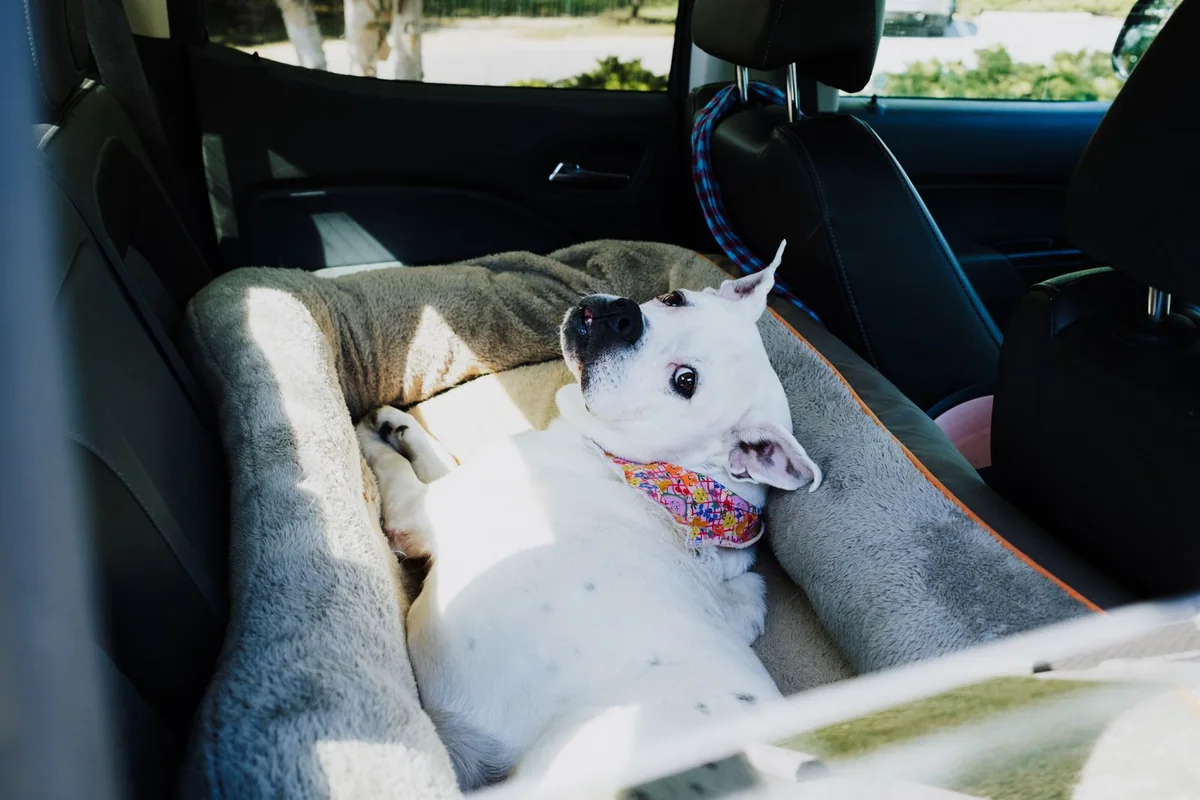
Take a dog out on a well-fitted leash before loading if you can find a route away from the crew. Give it a quiet chance to relieve itself and drink. A cat should travel in a securely closed carrier, carried level, and brought directly to a suitable position in the vehicle. Keep a dog secured in the vehicle in a correctly installed travel restraint or crate. Never leave pets alone in a parked vehicle. Arrange a safe pause indoors if departure is delayed.
Check the old room before it is handed over. Someone should confirm every pet and the important supplies are accounted for. A worried cat can become very quiet and hide in a space people thought they checked earlier. Confirm each animal physically instead of relying on an open carrier or someone having seen it a few minutes before. If a pet is missing, pause door traffic and search the safe space before widening the search.
Make one corner ready at the new address
Before letting the cat out of the carrier or bringing the dog in, check the area for loose doors, holes under cupboards, open windows, bare power cords, and material left by the previous occupants. Include the washroom, where a cat could squeeze past an unfinished fitting, and any window with a screen unsuitable for containing an animal. Confirm that the home can be closed securely. If a yard will be used, check the fence, the ground under gates, and all latches, and keep the dog leashed until you understand the boundary.
Set up one quiet room with familiar items and the usual access to water and a suitable resting place. For a cat, provide its litter box away from food and water, and offer an easy-to-inspect hiding space. Open the carrier once you have secured the room and let the animal leave on its own. For a dog, walk in together on leash, leave the busy unloading route, and let the dog take a short look around equipment and furniture that have already been placed safely.
A building hallway may be busier than the one you left. Ask where other dogs are likely to appear and where your dog can go out for its first toilet breaks. Choose an hour and route that are as calm as practical. Bring a cat into a shared corridor only in a secure carrier. When the delivery crew uses a lock or leaves the building door open, manage the interior door to the pet room as the dependable barrier.
If the movers will return later, use the safe-room arrangement again. Keep most of the room the same while the rest of the home changes. The first quiet evening may be a fine time for a short investigation of a prepared adjoining room, provided the pet can retreat and the other doors are secure. Some animals will spend the first night in the protected area. You can open more of the home when they can use the first part without much difficulty.
Unpack the routine before everything else
On the first morning, reproduce one piece of the old day. Set down the bowl at the usual time. Go out for a familiar type of walk before you start the next room. Scoop the litter box at a known hour so you can tell whether it is being used. A routine that survives the move helps you see when something is different for the animal, rather than different for everyone at once.
Monitor eating, drinking, toileting and movement, and contact a veterinarian about concerning changes. Get urgent care for a cat that repeatedly strains with little or no urine, or for another emergency sign. Introduce new routes gradually and keep safety checks active while doors, screens or fences are being repaired. A pet that looks settled to you may still need time to learn sounds close to the entry, such as a neighbor passing or an unfamiliar lift.
After a few days, see what the pet has chosen for itself. The dog may have taken to the sunny room where you happened to put the bed. The cat may be using the quiet end of the hallway while avoiding the new kitchen. Leave a couple of familiar landmarks while you finish moving the last boxes. The pet will learn more about the new address from several ordinary mornings than from the day the furniture arrived.