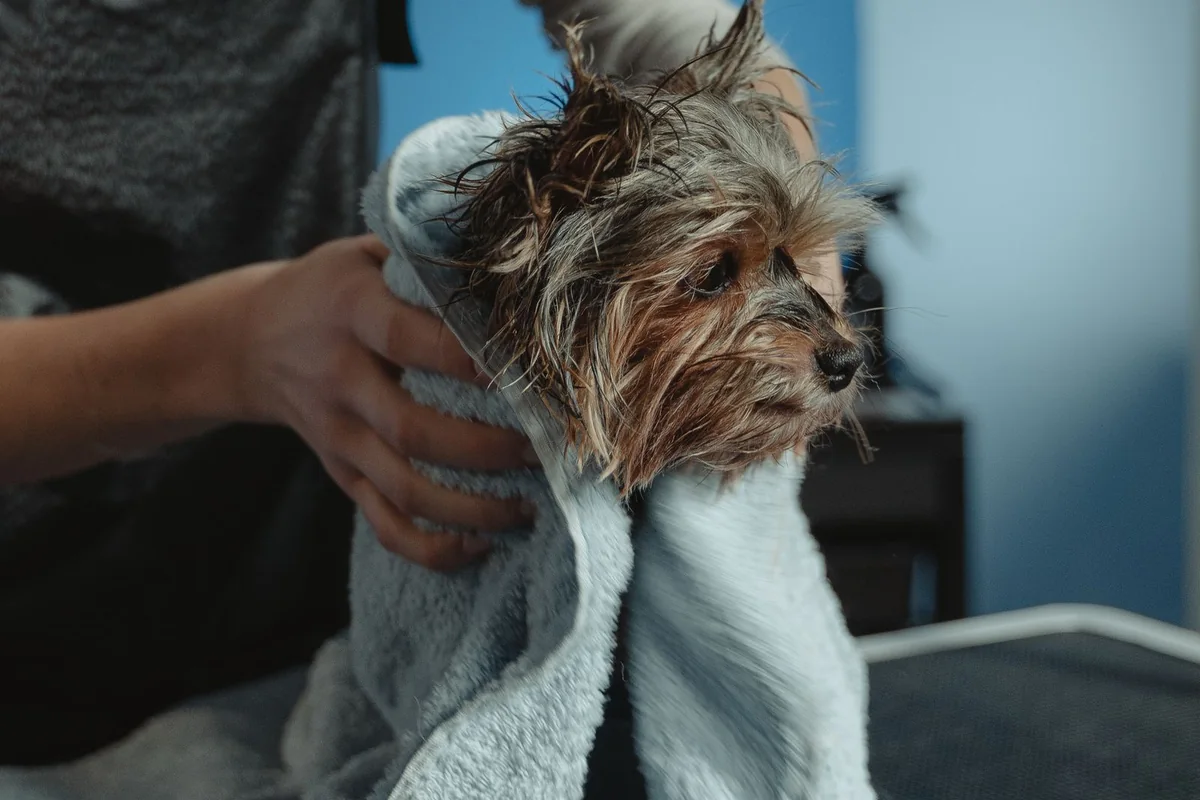
A Brushing Routine Your Dog Can Help Control
Learn how to set up a quiet coat-care routine, recognize when your dog wants a break and decide which grooming jobs need professional help.
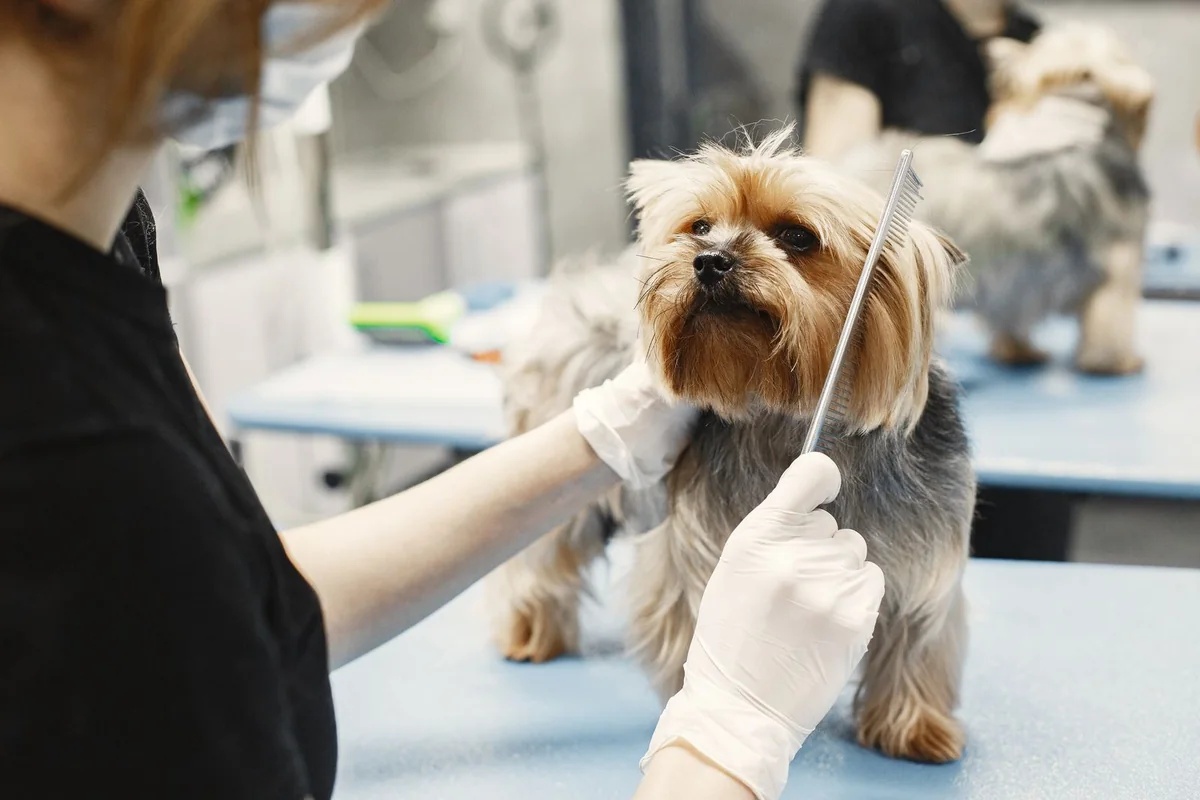
Put the brush down first
It is tempting to start a brushing session when a dog is already lying down. The dog looks settled, the brush is nearby and there are ten spare minutes before dinner. If the dog routinely gets up and walks out when the brush appears, those ten minutes can be better used making brushing easier to approach. Start while the dog is awake and able to move. Put the brush on the floor at some distance, sit nearby and see whether the dog chooses to stay. Nothing needs to happen to the coat in the first session.
Select a place with good light and steady footing. A mat that does not slide can give both of you a shared location without trapping the dog in a corner. Sit beside the mat if that is easier for the dog than having someone lean overhead. Keep children and other pets clear while you practice. Decide how you will stop before starting. You should be able to put the brush down immediately without holding the collar or blocking the way out.
Regular care can be important, and the urgency varies by coat and existing condition. If a coat already has tight mats, skin irritation or a sensitive area that needs prompt attention, book a qualified groomer or veterinarian as appropriate. You can work on easy brushing practice alongside professional care. A dog in pain may find ordinary handling difficult. Getting help early prevents the brushing lesson from becoming a repeated argument about a sore spot.
Match the tool to the coat and the job
Take a look at the hair in three places, such as the shoulder, the area behind an ear and the back of a leg. Some coats have a dense underlayer in one place and fine hair that tangles easily in another. A suitable brush should glide where the coat is free of tangles. It should also be comfortable to hold, so that you do not need to grip hard or pull through a section with your full arm. Ask a qualified groomer which tool suits the coat if you are unsure. A family member who has only ever cared for a smooth-coated dog may need help selecting a brush for a coat that grows continuously.
Inspect the brush before each session. Look for bent tines, loose handles or debris from the last dog that used it. Clean it according to its instructions. If a brush pulls sharply or scraping seems unavoidable, stop and check the technique or tool choice. Pick an exposed, easy section of coat near the shoulder for initial practice. You can learn how the hair moves without starting behind an ear, under a leg or close to a sensitive part of the body. Remember that a grooming product appropriate for one animal or one part of the body may be unsuitable elsewhere. Ask a professional before using any product on irritated skin.
When a tangle is close to the skin, avoid using scissors on it at home. The skin can be pulled up into the mat and difficult to see. Forceful pulling can hurt, even if the hair eventually comes loose. A professional can decide how the area is best handled and teach you where to look for new tangles next time. Make a note of where the problem developed. The region under a favorite harness strap or collar may need a regular look, even when the rest of the coat stays clear.
It also helps to write down how the dog came to the mat. A voluntary approach after you sit down is different from standing there because the handler called the dog into a narrow space. If the room is busy, wait for a calm interval or skip the practice. Pay attention to your own position as well. The dog may be comfortable with a person sitting at its side but tense when the same person kneels over its back. A slight change of angle can make it easier for both of you to move away.
Give the dog a clear way to pause
Try a familiar movement the dog can freely repeat, such as stepping onto the mat or voluntarily coming to stand with a shoulder alongside your leg. Use the same brief cue if you have one, and let staying nearby signal that you can offer the next small step. The dog must be able to leave. If it looks away, shifts back, lowers its body, lifts a foot or repeatedly licks its lips, pause and watch. A single movement has several possible meanings. A cluster of changes just as the tool approaches gives you a reason to make the next attempt easier.
One practice round can be as small as picking up the brush, rewarding a comfortable response and setting the brush back down. A later round might be an easy touch with the back of the brush, then a single light stroke in the direction the hair lies. Give a reward the dog enjoys and can safely have. Space it so the dog can choose to reapproach. Avoid keeping the dog close by putting food just out of reach while brushing longer than it can tolerate. A second person can help if they understand the pause signal and stop when the first person does.
Finish after a few comfortable repetitions. If the dog walks off, put the brush down. You can return later with a smaller step or a different setup. Watch what the dog does while nothing is happening. A relaxed return after the brush is set down is more useful information than a dog standing still while a session continues. If the dog stiffens, growls, snaps or has a bite history during handling, end the session, give it space and ask a veterinarian or qualified behavior professional for a plan.
Spread the care across the week
A full brushing can be divided into manageable areas if the coat allows. On one evening you might spend a minute on the shoulders and sides. The following evening you might check a section that catches debris on walks. Work from familiar areas toward trickier ones as the dog grows comfortable. Where a dog already tolerates ordinary care, keep the same opportunity to take a break instead of waiting for outright refusal. It is easier to switch hands or change position if both of you can briefly reset.
A paper note beside the grooming supplies can mark when each person last checked the areas that tend to tangle. Keep the entries factual. “Light passes on both shoulders, moved away at lower leg” is more useful to another handler than “fine today.” Note any obvious change in coat condition or visible skin. Ask a veterinarian about new lumps, raw areas, sudden coat loss or regular discomfort. Keep the note out of reach if your dog likes shredding paper. For a household with multiple dogs, name the dog and use separate records.
There is a difference between following a coat maintenance schedule and trying to meet it all in one sitting. If weather or a walk has made the coat unusually difficult, inspect in good light before deciding how to proceed. A dirt-covered or wet coat can obscure skin and pull differently under a brush. A qualified groomer can tell you what to do first for that particular coat. For planning, choose a time the dog is usually alert and settled, and when you have a quiet minute to stop if you need to.
Leave yourself a simple record of what works
Suppose on Monday a dog readily steps onto the mat in the kitchen, accepts a stroke on the shoulder and moves away at the sound of a pan. On Wednesday the same dog works in the living room and comfortably returns for two shoulder strokes. By Friday it moves away only when the stroke is longer. Change one thing on the next attempt. Keep the quiet room, use the short stroke and give the dog a clear pause. This tells you more than replacing the brush and picking a new time and location on the same day.
Some households like to keep the brush in a lidded box alongside a cloth and treats. Others do better with the brush left near a familiar resting area, ready for a short session when the dog is awake. Keep the supplies secure in either arrangement. The place where the dog sleeps should remain available without forcing grooming. You can invite the dog to a different spot, do one useful check and send it back to bed. The routine fits better when the animal can predict what an invitation means.
If you share the work with a groomer, tell them the places the dog handles comfortably and the movements that cause it to pull away. Ask what maintenance would make the interval between visits easier, and which sections they would prefer you leave alone. The right information may be as simple as a note that a particular strap rubs after a long walk or that the dog prefers standing on a textured surface. Notice what you learn at each session. A brush put away after one easy pass can leave you with both a better plan and a dog able to choose to come back.