What to Write in a Five-Minute Aquarium Journal
Start a short aquarium journal with a consistent viewing spot, observations about individual fish, and notes you can share with a specialist.
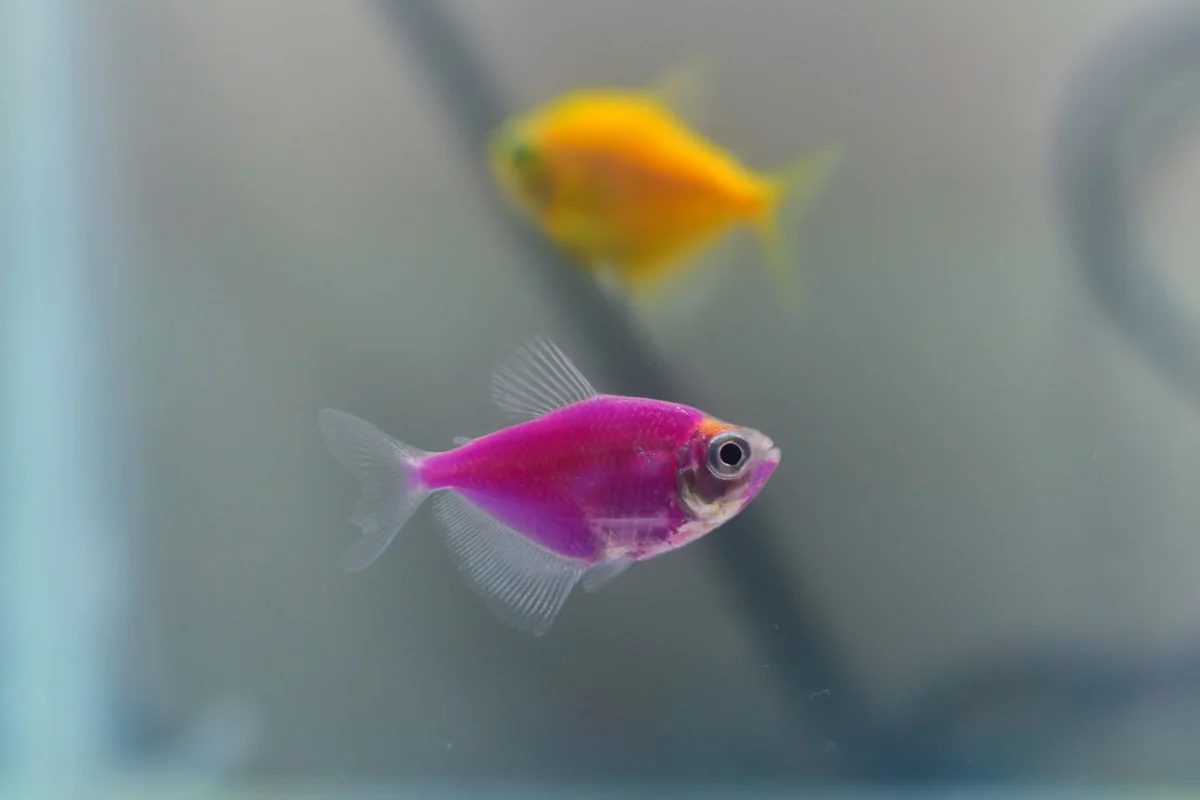
Before feeding, look at the aquarium from your usual chair. A fish that normally rests under a leaf moves into the open. A group spreads out, then gathers on the side where you tend to approach. From close to the glass you might see every fin. From the chair you can see how the whole tank moves. A brief journal helps you keep track of both views, especially when a fish is doing something you have never noticed before.
Use a journal alongside appropriate care and regular testing. A clear-looking tank can still have a water quality problem. Note the test results, watch the fish, and follow a maintenance plan appropriate to the species and system. Ask an aquatic veterinarian about concerning changes and experienced aquarium professionals about suitable setup and testing. The journal gives you a way to present observations. It also gives you quieter reasons to enjoy the tank when everything is going as expected.
Choose a time that gives you something to compare
Write down an honest time, such as “before the usual evening meal” or “twenty minutes after the tank light came on.” The word evening alone may cover several conditions. Fish can behave differently around food, lighting changes, maintenance, or surprises in the room. A note that captures the context lets you avoid comparing the flurry at feeding with a few minutes when the tank is settling for the night.
Start with a time you can revisit without setting another alarm. Make your approach consistent, then wait a moment for the tank to settle. Avoid tapping glass, chasing a fish with a camera, or repeatedly switching lights to get another look. A grazing fish may move away from a new shadow and return after you sit still. Note the initial movement and the return. If the animal would have approached from behind a plant had you stayed in the chair, crowding the glass changes the observation you hoped to make.
The viewing routine should fit around real care. Take a short look before feeding and another once the food is in the water, without adding food at a new time just to test a reaction. If you journal during regular maintenance, record that context too. An afternoon view after moving a plant provides a different kind of information from the regular prefeeding check. Both are useful when each has a label.
Write what you actually see
Start with neutral detail. “The small striped fish stayed beneath the wood for most of the five minutes” gives you a place and duration. “The small fish was afraid” assigns a cause that can be hard to establish. Add the next relevant detail. Did the fish take food when it was offered as usual? Did another fish pass it? Did it leave the area when the room got quiet? When you see only a tail, say so. An animal out of sight during a short window may be nearby in a normal retreat.
Choose a consistent way to identify fish when possible. Use a distinctive mark you can see without capturing the animal, or record a group by description and approximate size. A change attributed to one fish is harder to interpret if later observations refer to a different individual. If similar fish cannot be distinguished reliably, use a group note. For example, “Six in view near the right plants, including one smaller fish lower in the group.” It is fine to leave the identity open.
Make room for ordinary observations as well. Record where fish stay in a current, whether they shelter briefly when someone walks past, and what portion of the tank they use after feeding. Compare behavior against what is normal for that species and individual. Species occupy different parts of the water for different reasons. The group that usually spends the day at the surface will look unlike the fish resting near the bottom on a calm day.
A movement diagram can be simpler than a long description. Sketch the tank as three sections, mark the plants and wood you can recognize, and add a dot for the observed spot. If important, record whether the animal was near the surface, in the middle, or near the floor. The map lets you see when a general note such as “right side” actually describes the corner beside a changed outlet or beside the place you put a new plant.
Give each visit a compact entry
On paper or in a notes app, put the date and relation to feeding or lighting on the first line. On the second, describe one tank-wide observation such as filter output, lighting, a plant blocking a normal route, or a change you made. Next, write what you observed in any fish you are following, with location and what else was happening. Add food response when you have seen it. Finally, record relevant maintenance or test readings with their dates and units, and say what you plan to check at the next ordinary visit.
For example, an entry might read, “Thursday, just before the usual evening feed. Light on for the usual period. Most of the group in open water on left. Small fish with broken stripe remained behind wood while group moved to front, then came out when fed. It took food from midwater. No equipment changes today. Compare the same moment tomorrow.” You need no special template to write a note like that. The timing and identity give you a way to repeat the comparison.
Keep visual observations and measurements distinct. “Water looked hazier this afternoon” describes appearance. A dated result from a suitable testing method gives numerical information about a specific condition. Add test method details and any relevant equipment change when comparisons matter. Record the names, units, and precision shown by your kit so another reader can understand the entries. Take care of any urgent condition according to qualified advice for your system. A second journal entry is useful when it helps clarify an ordinary observation.
Add a photo only when it helps
Use the same side of the aquarium and similar room conditions for any comparison photos. Changes in glass reflection, background light, and camera exposure can make the same water look strikingly different. Keep flash off and avoid crowding or disturbing the animals. A shot of the whole tank can show the position of the filter, plants, and hiding areas. A brief video taken quietly can capture the movement that is difficult to explain in writing. Never delay urgent care to make a record look good.
Save the photographs that give you a useful comparison. A picture of the ordinary layout and a dated picture after moving a large item may be enough. Label anything specific the reader should look for in a separate note. If a fish is difficult to see in an image, describe where it was and what you could observe at the time. Resist drawing conclusions from changes in color that disappear when the reflection moves. Corresponding time and lighting details support a fair comparison.
Make a simple rule for editing. You might keep one representative photograph per week or keep pictures only when the tank changes or you have a specific concern. Preserve original photos if they may need to be shown to a specialist. Filters and strong edits can conceal the very detail someone needs. If you take a photo from an unfamiliar angle, add a second photo to establish the wider layout without lingering at the glass.
Know when a note calls for action
A clear difference in appetite, movement, breathing, body condition, fin appearance, or group behavior deserves attention. If the change is sudden or concerning, check equipment function and relevant water parameters promptly, and seek qualified advice, especially if more than one fish is affected. Keep your notes on recent maintenance, new animals, unusual events, and reliable test readings together. Avoid guessing at a treatment or changing several unrelated conditions at once in response to a single image. Suitable action depends on the fish and system.
If you are getting outside help, put the most important detail first. “Two fish that usually swim down for food are staying near the surface today. I first saw this just before dinner” frames the concern better than a week of screenshots without dates. Add any other signs, species, tank details, water results, and recent changes you can provide. Follow the specialist's advice about what to do next. Keep a note of that guidance so you can describe later deviations accurately.
You can also use the journal when nothing seems wrong. One week's entries might explain why the fish so often use the corner you thought was dark. Another may show that they spend more time in an open route after the room settles. Observe at a second appropriate time every so often to fill a gap, then return to the easiest regular viewing time. A larger time investment is optional. Consistency across ordinary visits generally offers more context than one afternoon of constant attention.
Put the notebook where you can reach it from your chair, or pin a single current note to the top of your phone. Finish with a detail you can recognize tomorrow. If there is nothing new to add, “usual movement and feeding response” is enough with the date. The journal should make regular watching easier. Phrases like “returned to the wood after feeding” will mean more over time because you remember what the fish looked like on all those days when it quietly did the same thing.