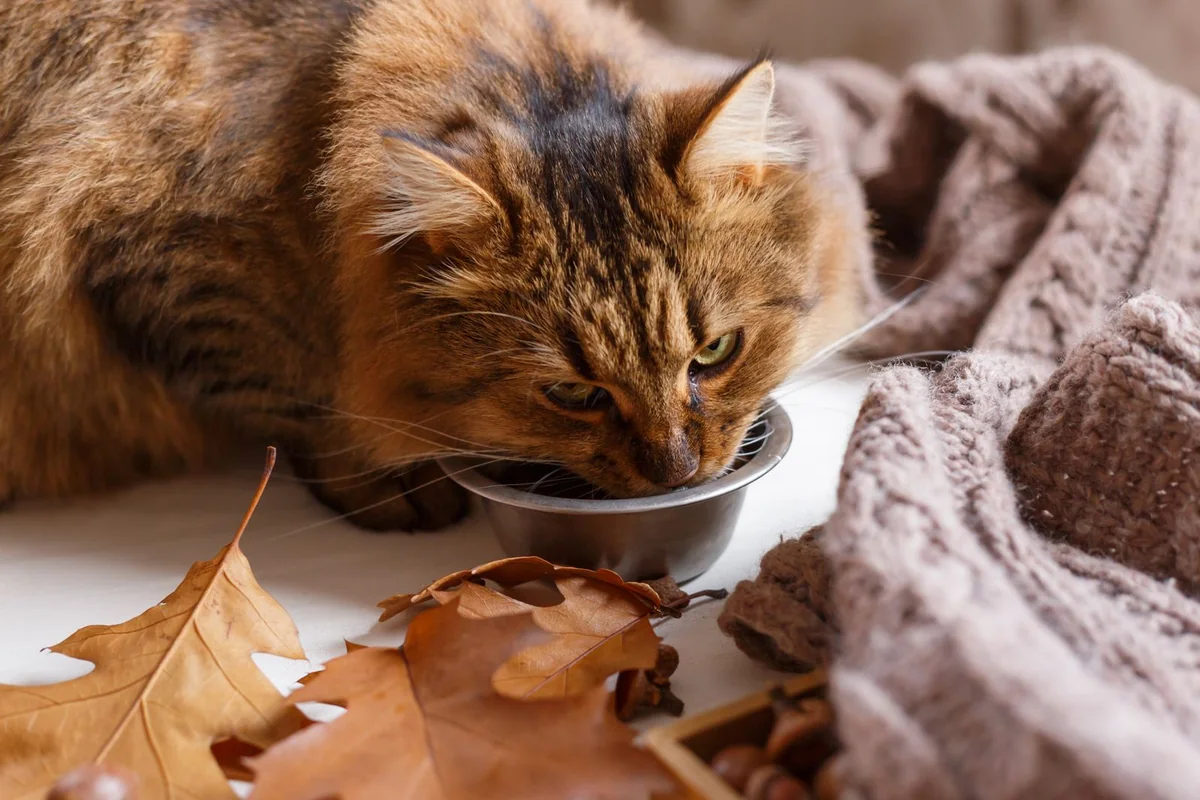
A Feeding Station That Works on the Busiest Morning
Set up a pet feeding station that makes portions easy to track, gives each animal room to eat and keeps cleanup within reach.
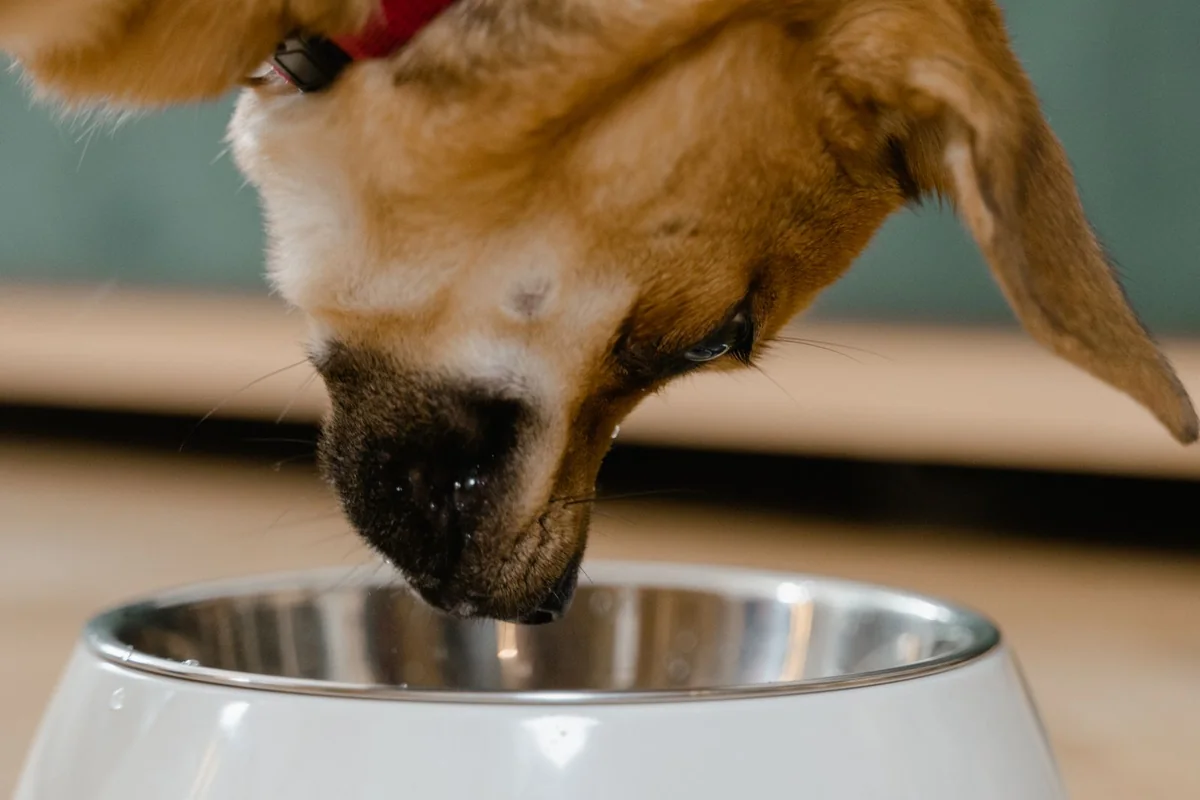
Start with the handoff
At seven in the morning there may be one bowl, two people and no reliable answer to the question everyone is asking. Has the dog eaten? A surprising amount of household friction comes from that one missing fact. A good feeding station solves it quietly. It gives the person holding the scoop a repeatable sequence and leaves enough information for the person coming through later to take over. The prettiest corner of the kitchen may work, but the test is what happens when someone has a bag in one hand and fifteen minutes to catch a bus.
Walk through a normal meal on paper before moving the bowls. Who gets fed first, where does the food come from, what is carried across the room, and what does a second person see once it is finished? It helps to put a marker beside the scoop, rather than in a family chat nobody will check. A small board with the pet's name and spaces for morning and evening works where paper stays dry. Use a clip or a reversible label that someone can flip with one hand. Mark the meal when it is served, and add a brief note if the pet left an unusual amount. A clean bowl just tells you the bowl is clean.
Look at the room at mealtime
A feeding spot beside a refrigerator may seem quiet until a late breakfast overlaps with someone opening the freezer. Stand where the bowl goes and notice doors, chairs, foot traffic and the route another animal takes past it. A pet should be able to leave without squeezing between a person and a cupboard. Lower the distracting activity first by trying a place just outside the busiest path. If you have a kitchen island, the calmer side often changes depending on where everyone stands to work.
Keep bowls on a stable surface you can clean. On tile, a non-slip washable mat can keep a bowl from traveling across the floor. If the mat curls at the edges or traps wet food against a seam, the nuisance usually outlasts the novelty. Pick up each bowl by hand to see if the setup is easy to maintain. For an animal that regularly hesitates at the bowl, moves away, or stops eating normally, ask a veterinarian about the change. Moving a mat can fix a mat problem. A feeding station should make it easier to observe changes in eating, including ones that persist when the room is calm.
If meals alternate between dry and refrigerated food, print the order on the plan. For example, prepare the chilled portion first, put the package away and then put down the bowl. That sequence reduces the chance that someone walks away from an open container while following a pet into another room.
Make the portions legible
Give each animal its own line on a written feeding plan. Include the food, the amount you intend to serve, and the tool that measures it. If a veterinarian has supplied instructions, transcribe them carefully and keep the original available. The useful instructions are the ones someone else can execute from a standing position. “One scoop” makes sense only while the same scoop lives in the same place. A gram amount recorded with a kitchen scale, or a marked measure appropriate for the food, is easier to reproduce. Avoid storing a utensil where it can disappear in a layered pile of bags.
Opening a replacement bag is a good point to compare the label with the feeding plan. Different formulas and textures can change what a familiar volume represents. Mark clearly if there is a transition plan, including the planned sequence and who agreed to it. Keep any special treatment instructions in a separate veterinarian-approved record so an old draft is easy to spot. In a house where different animals have different foods, label the containers and tools with readable names, even if you have already chosen different colors. A visitor should be able to distinguish them in poor light. Put anything that needs to remain inaccessible behind a latch or door.
A planned portion and what actually goes into the mouth are two separate observations. If one pet finishes another's meal, mark the uncertainty rather than recording two completed meals with an exact amount. Corrections make a record more useful. They also help a sitter ask better questions before changing anything.
Give each animal a way to eat in peace
Several pets can find it easier to eat out of one another's sight. Watch for a slower eater repeatedly looking up, a faster animal hovering nearby, or a bowl being approached only after someone walks away. Even cheerful dogs can crowd each other at meal time. Give them separate spaces, close doors or use familiar barriers if needed, and pick up empty bowls before opening the doors again. A short, calm routine tends to be easier to repeat than asking one person to stand between two animals while also making dinner.
The distance that works for one pair may fail for another. Use the pets' actual behavior to choose the layout. An older dog may have a longer walk to a distant room than you realized, while the quieter of two cats may prefer a spot with a clear exit even if an adjacent room seems available. If practical, serve in the places the animals already know. An animal that freezes, growls or blocks access needs more space. Keep people, especially children, away from the interaction and get qualified help if it keeps occurring. Avoid reaching for a guarded bowl while the pet is present. You can build a household routine around leaving food alone until the feeding space is clear.
For a shared household, include the release step in the feeding instructions. Whoever starts dinner should know whether they need to stay for the next few minutes or whether a second person can take over. A bowl on the far side of a closed door may be invisible to someone who did not serve it.
Set up the washing and storage route
A large sink across the house is useful for cleanup only when someone has time to get there. Keep a tray or spot for dirty bowls near the usual washing area, and keep the clean replacement bowls within reach. Wash food dishes after use and allow them to dry. Wash hands and the utensils that touched the food, and follow package directions for any food that has to be covered, cooled or discarded. If an old dish has become cracked or is hard to clean, replacing it may save both time and work. Make sure anything used around food can be safely washed.
Keep the original food package on hand, especially the identification and storage information on the label. A lidded outer container can hold the whole bag while still protecting it from pets and household moisture. If you empty food into a container, keep the relevant product information and clean and dry the container between batches, according to the manufacturer's guidance. Pouring new food on top of the last few crumbs makes it harder to tell what came from which bag. Serve from the older intact package first when you have more than one.
Build a simple check into the routine for replacing supplies. That might mean making a note at the next regular shop when you open the final bag rather than waiting for someone to shake an empty container. Keep small supplies only where they can be used correctly and safely. Bags, ties and clips should stay beyond the reach of a curious animal. A pet that gets into the cupboard repeatedly has already found a weakness in the layout.
Try it on an ordinary evening
A quiet trial beats a sweeping reset. Pick tomorrow evening, set out the usual bowls in the new layout and keep the rest of the meal familiar. Look for one thing that made serving easier and one point where you still hesitated. Maybe the mat is easy to wipe but the lid needs two hands. Maybe the slower animal has a peaceful space, yet the person with the scoop cannot tell when it is safe to open a door. Move the supplies or change the order before buying anything new.
Run the same sequence on a day when someone else is home. Ask that person to feed using the written plan while you stay available for a question. If they need to ask where a spare bowl is or how to mark a partial meal, put those answers where the problem occurred. A good set of instructions is short enough to notice and detailed at the points where someone could reasonably make a different choice. If parts of the plan exist only in one person's memory, write them down now.
The feeding spot has settled in when people can leave the room with the animals comfortable, bowls accounted for and the next meal clear. It should still work if you change the floor mat, put a different person on morning duty or move the clean dishes to a lower drawer. Choose one part of that routine to improve first. A consistent answer to “has the pet eaten?” is an excellent place to start.