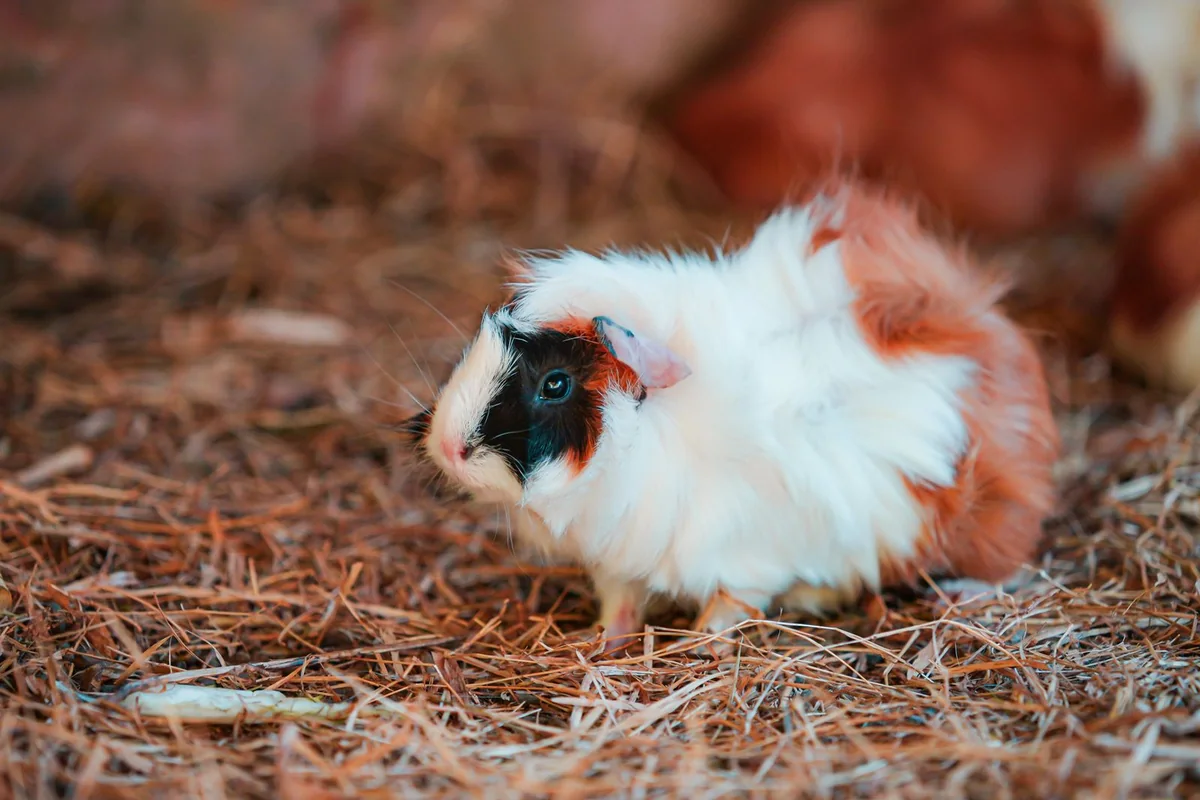
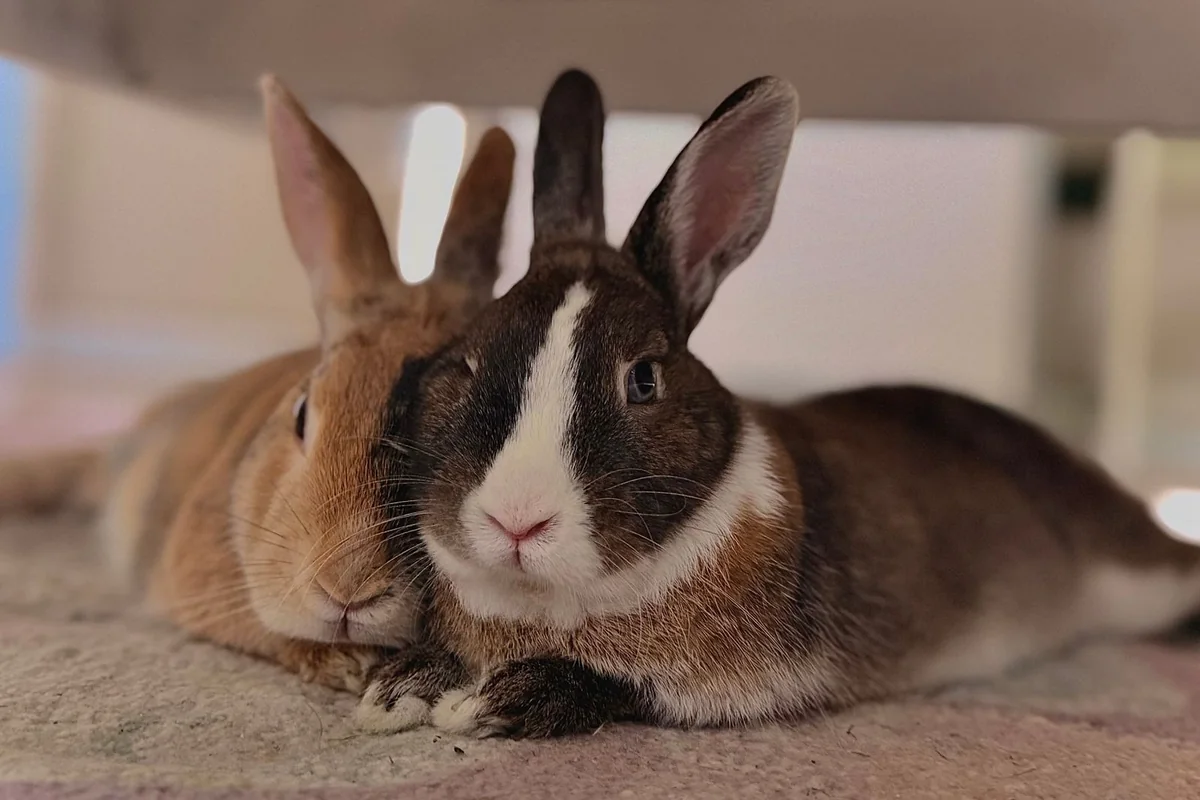
Where Guinea Pigs Hide and Why the Exit Matters
Arrange guinea pig shelters with two clear exits, easy access to hay and water, and quiet routes that work for every animal in the group.
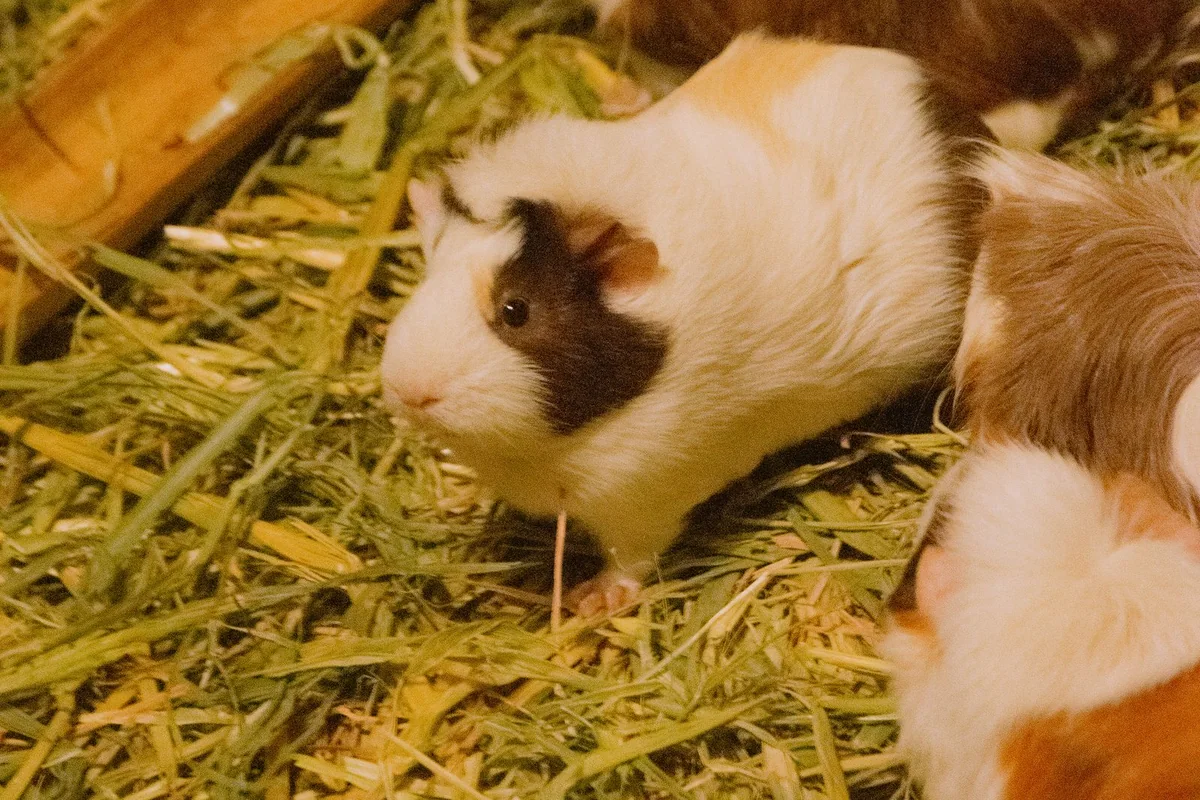
At meal time a guinea pig may dart out from under a shelter, collect a leaf, and disappear through the far side. The trip lasts a second. To make it possible, the shelter needs a clear exit, the leaf needs to be within reach, and the route back needs to remain open when another guinea pig approaches. A refuge is a piece of that route. Think about the way an entire group moves before deciding where each hide should go.
Guinea pigs should have compatible guinea pig companionship and space to move. Shelter makes part of that space usable for an animal who feels exposed in the open. Provide multiple shelters, with at least one for each guinea pig and an extra choice. For a shared enclosure, shelters with two generous entrances can make it easier for one animal to leave while another approaches. Avoid counting a distant corner where no animal actually feels comfortable as a useful hide.
Follow the route instead of counting the boxes
Start by drawing the enclosure as a rectangle, or use whatever shape it is. Mark water, hay, the door people use, and the places where animals retreat when the door opens. Then trace the route a guinea pig takes to its usual food. Keep that view of the space in your mind when setting down a new hide. A shelter near the food can make a trip easier, while a shelter across the only path to the food can produce a queue.
A two-exit design only works if both exits are available. Clear the space in front of them. Allow enough room to emerge, turn, and move away instead of coming straight up against a wall. When a tunnel connects two parts of the enclosure, keep another route open around it. If one guinea pig decides to lounge inside, the rest of the group should still be able to move across the space.
Try moving a hide away from the corner by the width of a hand, then look at the change from floor level. If a second path appears behind the hide, check its width and whether it could trap an animal. Close narrow gaps that lead nowhere, or create a wide, visible passage with access at both ends. Move any protruding fasteners out of reach and check that the shelter stays level when an animal leans against it.
Choose cover at different distances from household activity
A group may use a large shared rest area and separate places to get away from one another. An enclosure beside a busy room entrance may also need better-protected retreats on its quieter side. Watch how the animals respond when someone sits near the enclosure, when a door opens, and when the house settles in the evening. The most useful hide at lunchtime may be the one used at night because it has a solid side or sits away from changing light.
Offer options without filling every square inch. Walkable space is valuable. An arrangement with three different refuges along one side may leave a wider movement route than the same pieces placed in the middle. Loosely grouping shelters can make covered routes between them, provided entrances stay visible and accessible and no animal can monopolize a cluster. Keep at least one separate option away from the others.
Cover should offer protection from drafts and disturbances while allowing ventilation. Watch for dampness underneath solid floors or where shelters meet an enclosure wall. Give guinea pigs space away from loud appliances, direct hot sun, and temperature extremes. A hide can soften household activity. It cannot make an unsuitable part of the house comfortable on its own. Keep dogs and other predators securely apart, and avoid leaving the guinea pigs to depend on cover for security.
When two hides look equally inviting, check the floor immediately outside each doorway. One entrance might open toward a solid panel while the other faces the busiest side of the room. Changing the approach can make a familiar shelter usable again.
Inspect the materials with your hands
Feel the doorway edge, roof joints, and underside before putting a hide into use. Look for rough splinters, exposed staples, sharp plastic, painted surfaces of unknown safety, gaps that could catch a foot, and soft pieces that can be stripped off. Pick a stable design that is wide and tall enough for the largest guinea pig to enter and turn comfortably. A heavy roof or panel must remain secure if it is bumped, and a path onto the roof should lead nowhere risky.
A plain, clean cardboard box can help you test the value of a location before buying another shelter. Remove tape, labels, and metal fasteners and make two generous openings with smooth edges. Watch the animals use it. Take the box out if it gets soggy, collapses, develops ragged openings, or the animals consume the material. Give each guinea pig a durable refuge as well, so a cardboard trial provides an extra choice while it stays suitable.
Washable materials can help if underneath a shelter is a regular toilet spot. When a hide has a fabric component, look for loose fibers, snag points, and chewing. Choose designs you can inspect and dry all the way through after washing. If something cannot get completely dry before it is needed again, use a clean spare. A replacement should be easy for the animals to find and enter, especially when you are changing the spot where they usually settle.
Watch three ordinary moments
First, watch the enclosure after refreshing hay. See where each animal eats and whether a guinea pig hangs back at an entrance. An animal who approaches, takes a leaf, and walks away to eat in a hide may be making a comfortable choice. An animal who approaches repeatedly, retreats at the arrival of the same companion, and has no other route needs better access. Split desirable resources across sites that cannot be patrolled from one position.
Second, watch everyone return to a shelter after a household sound. The moment is brief. Count how many useful routes the group finds, without making additional noise to test them. If everyone rushes toward a single doorway, note whether there is another suitable approach nearby. Try moving one familiar refuge to give a safer short route. Keep a commonly used shelter in place so the animals have a known destination as they explore the change.
Third, notice what happens after the enclosure quiets down. You might find two animals in a common shelter, one under the low roof, and an offered third place empty. Let ordinary preferences guide you. An unused shelter can stay useful as an extra option during a disturbance. An unused hide with dirty bedding, a narrow lip, or a blocked exit deserves attention. If access looks good, try a modest change in position and check on another day.
Make cleaning compatible with the hiding plan
A routine clean should preserve somewhere safe to withdraw. Remove or swap one hide while leaving others available, or use a familiar, secure temporary area with cover while cleaning the entire enclosure. Take out wet or heavily soiled material and wipe or wash surfaces as appropriate, then let them dry before returning the animals to them. Avoid strongly scented products and follow any safety instructions for products suitable for the enclosure.
If a shelter is often wet underneath, look for a nearby bowl or bottle spill and check how absorbent the bedding is there. A heavy fixed shelter can conceal a patch for days if you only clean around it. Lift it routinely and check ventilation and the floor. Keep the layout visible enough that you can inspect every animal without needing to lift every refuge. A preview of the underside gives you better information than waiting for a smell.
Think ahead to occasions when you need to move a guinea pig, such as for veterinary care. Have a safe way to access the animal and a suitable carrier ready. The daily method for getting a look can be quiet observation and a familiar food cue. Chasing an animal from hide to hide makes the next check harder. If normal appetite, movement, or droppings change, contact a guinea pig-savvy veterinarian promptly. Moving another shelter into place is a room adjustment, while changes in behavior can deserve medical attention.
Fix the thing that interrupts a comfortable trip
If you can change only one thing today, clear the shelter entrance where a guinea pig regularly hesitates. Watch what happens when the space opens. Next, separate the favorite feeding spots or add a second approach. Changes like these help you see what the animal is responding to without rearranging every part of its home. Keep good shade, cover, and a dry floor in use while you make small moves around them.
Once each guinea pig can travel between cover, hay, and water comfortably, there is little reason to keep redesigning. Observe changes as the animals settle into the group, grow, or move less easily. A doorway that felt generous months ago can become difficult for a larger animal, and a favorite daytime retreat can get noisier when a household schedule changes. A short floor-level check will tell you whether those changes have reached the living area. The aim is a familiar place with routes each animal can use throughout an ordinary day.