A Cat Photo Diary for the Days You Would Usually Forget
Use everyday light and a simple note system to photograph your cat's routines, build a small diary, and keep the process comfortable for both of you.
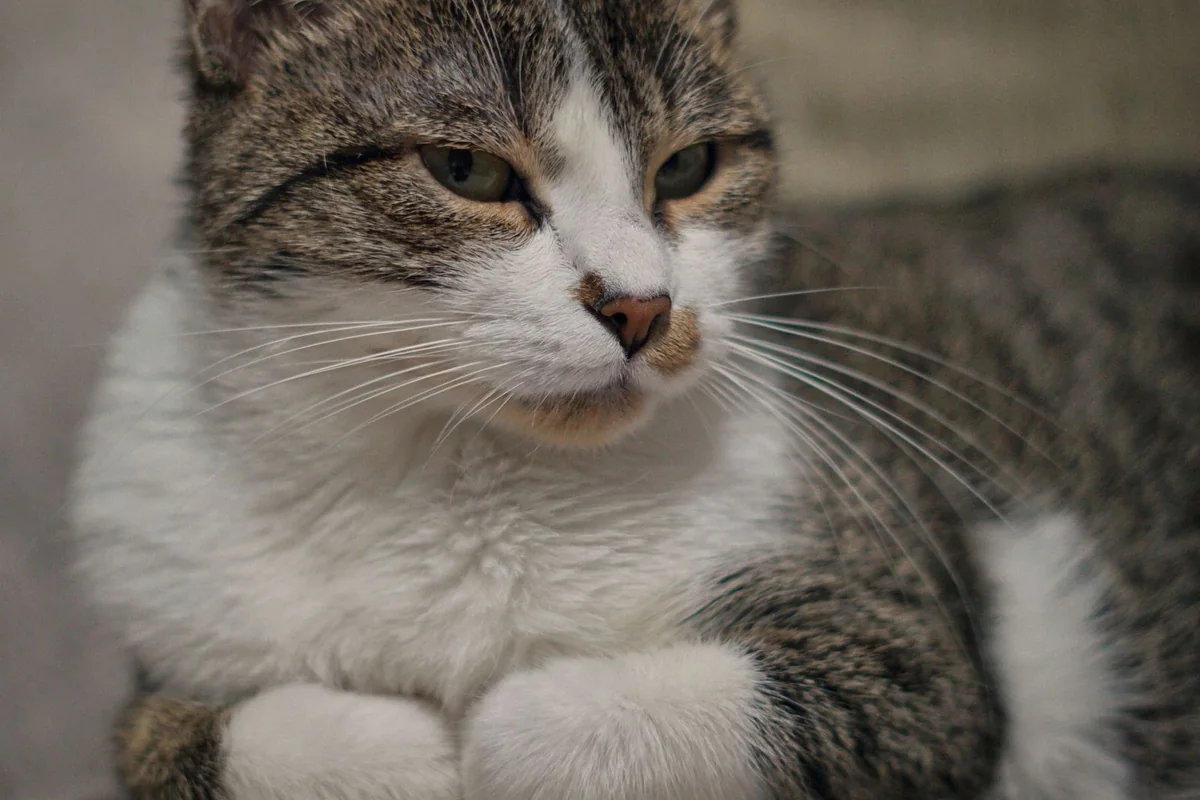
The most useful picture of a cat may be the one you nearly delete. Its head is soft around the edges. Half the frame is the cushion you were about to move. When you look at it a few months later, there it is: the peculiar way the cat put a paw under the seam while it waited for the afternoon sun. A technically better portrait might leave that detail out.
Choose three ordinary moments to photograph, use the light that is already there, and write one sentence about each picture. A cat photo diary works best when it is light enough to keep and quiet enough for the cat to carry on. Try one week before committing to anything longer. A book, an album on your phone, and an ordinary folder all do the job.
Give the diary a small subject
Start with a place or activity you already recognize. Maybe the windowsill changes character as the afternoon goes past. Maybe your cat waits beside the kitchen bench before dinner, then settles in an entirely different spot when a particular person comes home. Choose one recurring detail to look for during the week. It gives you a reason to return without having to invent a new picture every day.
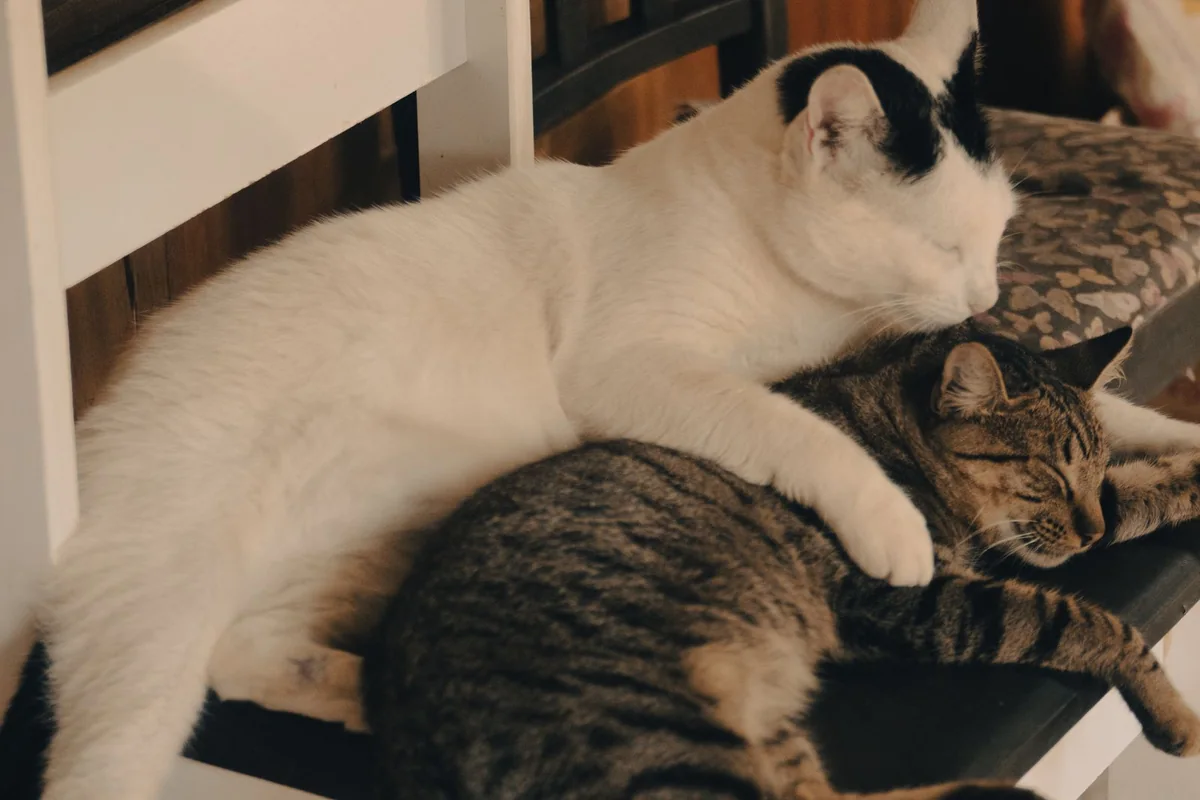
A second subject can come from a different kind of moment. Photograph an ordinary movement such as stepping off a chair, a nap shape that depends on where the sun is, or the back of the cat as it watches something in the garden. Where the cat spends time tells a story in combination. A familiar cushion is more interesting when you see how often it is folded, explored, slept on and finally ignored.
Leave room for one picture that departs from the theme. A wet mark on the rim of the water bowl may remind you of the morning the cat spent watching a drip. A patch of fur on the blanket can be enough to show where the afternoon went. Pictures without a face can make a diary feel more like part of a household and less like a succession of portraits taken for the same purpose.
Photograph while the scene is available, without asking the cat to arrange itself. Let it sleep. Avoid picking it up and returning it to a position it has already left. If the phone makes the cat look away or leave, give it room. You can finish the entry later with a sentence about what you saw. Missing an image can preserve exactly the kind of afternoon you wanted to remember.
Notice the direction of light
A window on one side of the cat often makes details easy to see. Light reaches the fur along the edge and leaves some shape in the shadows. Stand a little closer to the window without crowding the cat and see whether the angle works. A curtain may soften strong sun if it is already drawn. Keep flash off and avoid additional lighting that creates a surprise near the cat's face.
On a very bright day, the cat may sit between you and the window. Your phone might expose for the light outside, leaving the indoor subject dark. You can tap the screen on the cat’s shoulder or face to help the camera find a subject. If the silhouette is the interesting part, let the bright window stay bright and make the outline clear against it. Try both from a small change in position if the cat is still comfortable.
Across the room, notice the edges of the frame. Taking half a step to one side can move a bright bag or a chair leg away from the cat’s face. Leave some recognizable signs of the home in view. If the animal is watching the door, photograph a little room ahead of its gaze. An image that includes the door from a familiar angle might be better for the diary than a tight crop.
For a cat that stays low, a photograph from roughly its height can show the look of the room from its position. Sit on a safe, clear part of the floor rather than leaning over the animal. For a cat on a shelf, stand on the floor and allow the height to be part of the picture. Avoid moving furniture around a sleeping cat or climbing to get an angle. A different viewpoint can be a few inches rather than an awkward reorganization of the scene.
Follow movement for a single moment
A cat getting up from a nap may yawn, stretch and move on in seconds. You can leave your camera ready and observe quietly instead of trying to prompt the sequence. For a phone, tap to focus before the cat moves, allow some space around it to keep the whole movement in the frame, and take a few images in succession. Later, choose the one that feels closest to what happened. A raised tail or a single stretching paw can show more than a perfectly sharp face.
For an animal crossing a room, think about the point where it passes through the best light. Wait a few steps away on a route where the cat can pass freely. Avoid blocking stairs, litter boxes or other essential places for a photograph. Let the cat approach and leave at its usual pace. If it stops because you are in its way, shift aside and see what it chooses on a different pass.
Play is possible to photograph, though it helps to separate the jobs. One person can handle the toy safely and the other stay at a distance. The player should understand where the camera person is, and everyone should be ready to let the cat end the session. Use toys your cat already enjoys and keep an eye on the landing area. You can put the phone down and watch the game yourself if there is nobody else to handle it safely.
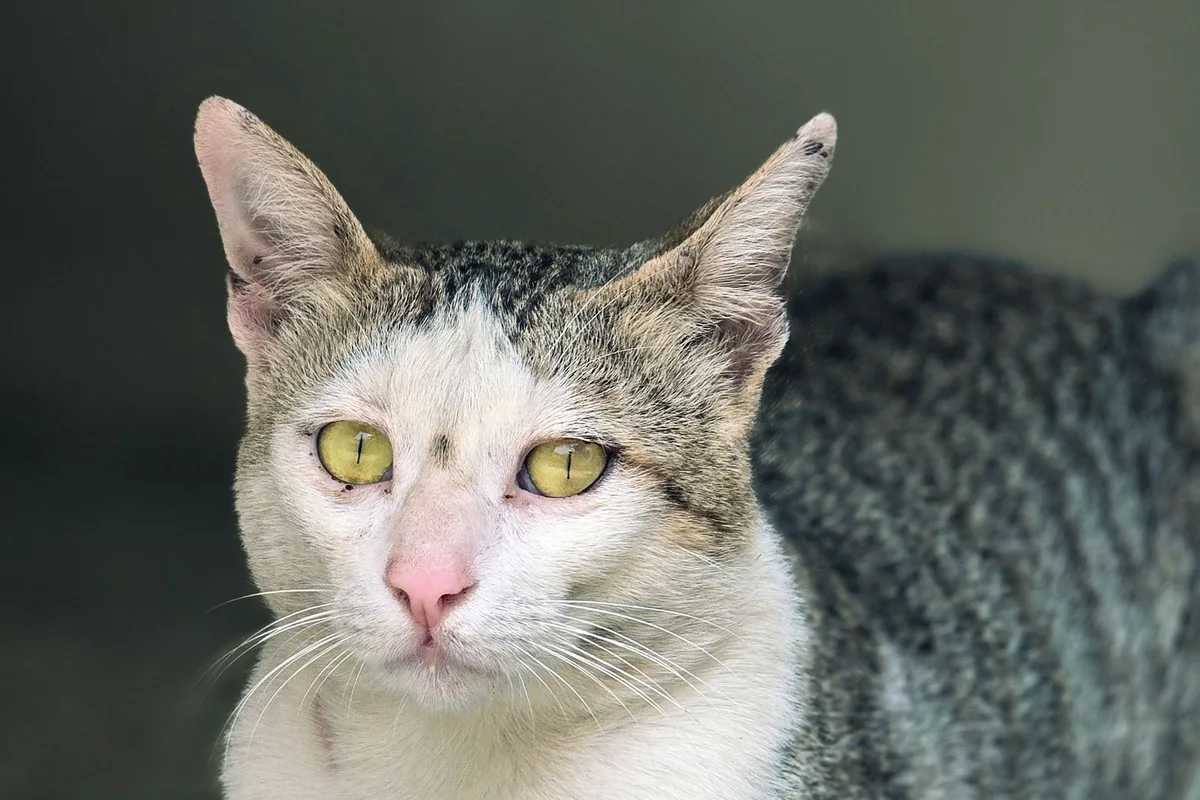
When you want a more deliberate portrait, pick a place where the cat sometimes rests and wait for it to arrive. Get the camera ready before sitting down. You can try a short series from one position and move away once the cat changes its posture. Some of the best portraits will show the animal looking at something you did not see. Taking another step closer might interrupt the sight that made the picture worth taking.
Write a note the picture cannot supply
Give the entry a date and say what happened before or after the frame. A small entry might read, “Quiet here after the washing machine stopped. Came out as soon as the floor went still.” Another might mention a new cardboard box, a favorite visitor, or a rainy afternoon when several rooms looked different. Keep the language ordinary. Imagine telling someone who lives with the cat which moment you happened to see.
Mix descriptions of the cat with details of the room. A photograph of a black cat beside a bright folded blanket can be attached to a line about how cold the front room felt that day. A blurry set of feet may be the whole record of the cat's first visit to a new chair. Where the photo lacks that context, add one local detail while you remember it.
Reserve a separate note for anything you intend to discuss with a veterinarian. A diary might offer a useful comparison when your cat's movement, resting preferences or general routine changes. Make a clear record of when you noticed it and what was different, and ask the clinic what information it would like. Avoid staging a repeat of a movement that seemed difficult. A pet's comfort comes before making a record for yourself or anyone else.
For a diary you might share, check what else is visible. A label on a parcel may show an address. A wide window view can reveal a particular location, and the phone may save location metadata. Review the selected files and sharing settings before posting. Private albums and local folders can also make it easier to keep photos that matter to your household even when the quality varies.
Finish the week with a handful of prints or favorites
At the end of seven days, select four to eight pictures total. Try a broad room view first, then look for an expression, a movement, a detail and a quiet moment. Group them by subject or put them in the order in which they happened. Notice which combinations make you remember something you had already lost. Skip frames that merely duplicate clearer versions, unless the sequence itself records a change you want to keep.
A print can be inexpensive and small. Pick an ordinary place for it where you will come across it again. A digital folder can work just as well if you know what you named it. Use a month, a year and a plain phrase about the subject. Store originals of the handful you care about and back them up where you keep other household pictures. This is often easier than maintaining duplicate copies of every trial frame.
Repeat the exercise when a seasonal change or a rearranged room makes you curious. You may see that the cat uses a sill most often when a tree is bare or that it has a different favorite room when people work from home. The earlier pictures can be poor and still help you recognize the change. Keep the small ideas that worked and let the rest go. A diary with room for long gaps can still show how it felt to share a home with a particular cat at an ordinary time.