A Guinea Pig Cleaning Routine You Can Keep Up With
Learn to spot wet bedding, manage hay and water spills, and plan low-stress deep cleans that keep a guinea pig enclosure dry and usable.
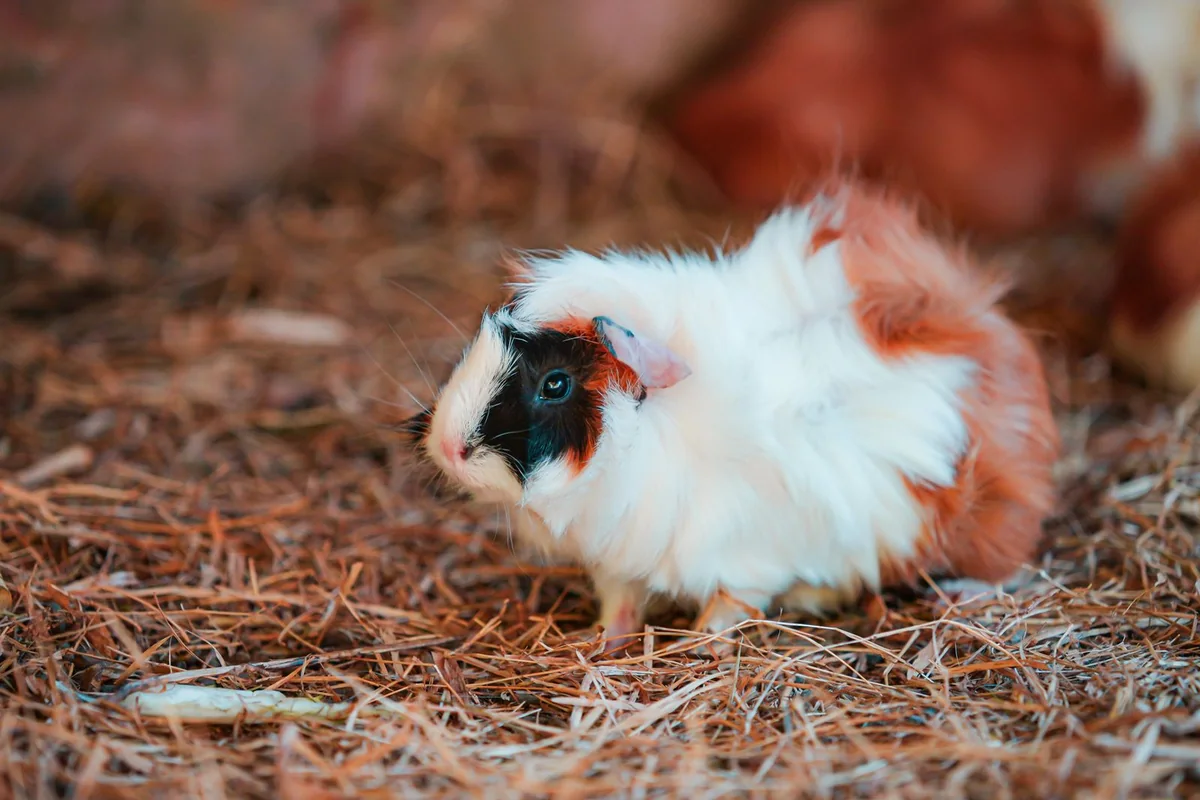
Take a look under the shelter where your guinea pigs spend the afternoon. The space may be noticeably wetter than the patch by the open door. This is the reason a cleaning schedule based entirely on the calendar can disappoint. The bedding needs attention in the places the animals actually use, when they use them. A useful routine starts with a few minutes of inspection, a way to change wet areas as they appear, and enough spare supplies to finish a bigger job without putting the household on hold.
Choose bedding and flooring suitable for guinea pigs. They need a dry, comfortable surface with good grip, clean hay and water, secure shelter, and compatible company. If you are new to the species or your setup has recurring problems, review housing guidance from a reputable guinea pig welfare organization or ask a guinea pig-savvy veterinarian. A list of chores works best when the underlying enclosure has room for activities and the owner can reach the areas that need care.
Make the small clean short enough to happen daily
Start at the water station. Check underneath and around the bowl or bottle for a leak and see whether the animals have a clean, working supply. Move to the hay area, where edible hay may be mixed with a wet or soiled layer that needs replacing. Lift the corner of the bedding where guinea pigs commonly rest. Look behind shelters and near exits. If a piece of fleece feels dry on top, touch the layer beneath it. Wetness can collect underneath before the top seems damp.
Have a clean scoop, spare bedding, and a waste container where you can reach them during the same visit. Remove damp or soiled bedding and visible waste, check the surface beneath, and replace the affected material with fresh, dry bedding. Remove old fresh food before it spoils. Keep clean hay readily available. Check for a dropped vegetable inside a hide, where it is easy to miss when you only take out what is left in the food area.
Keep one refuge available if you can spot clean without crowding the animals. Beginning at the far end of the enclosure gives guinea pigs a choice about moving away. A fast hand coming in over a favorite hide may cause them to scatter and interrupt you at every step. Slow enough that you can see where they go, and handle the removable pieces in a consistent order. If you have to remove so much that the animals lose safe cover, use a familiar secure temporary area.
Look at how much material comes out and where it was wet. If today's wet corner matches yesterday's, put spare bedding within reach of that side or use an appropriate washable insert you can lift independently. If the wet spot is new, trace it before covering it. A loose fitting or unstable bowl can turn a clean enclosure wet within minutes. Repeated mystery dampness is a reason to look for a leak or a part of the setup that holds moisture.
Organize the things that get washed
Keep enough clean, completely dry materials for a full change, and ideally a spare set for a spill or delayed laundry. Fold clean items onto a dedicated shelf and keep used bedding out of the clean stack. Check bedding such as washable liners for split layers, loose threads, fraying corners, or exposed backing. Damage often starts at a doorway where the edge is lifted repeatedly. Replace unsafe material instead of hiding the frayed corner under a shelter.
Remove hay and debris before laundering reusable bedding and follow the material's care instructions. Use washing products suitable for the intended use and avoid heavily scented products or added fragrance. Allow the fabric and its absorbent layer to dry all the way through. A thick fold can feel dry at the corner and stay damp in the center for hours. Store it open until you are sure. If you use disposable bedding, select a low-dust, absorbent material suitable for guinea pigs and store it somewhere it stays dry between uses.
Wash bowls and feeders regularly and whenever dirt or spoiled food collects. Clean the parts that meet water, including rims, holders, and accessible bottle components according to the design. With a bottle, check flow after reassembly so fresh water is actually available. With a bowl, watch how easily it tips when an animal steps near it. The cleanest arrangement on paper is less practical than one you can refill easily and the guinea pigs can use reliably.
Plan the bigger clean around a dry reset
A complete clean has a different order from a quick bedding change. Set up temporary housing with familiar cover and appropriate access to the usual supplies. Make sure it is secure, supervised as appropriate, and separate from other pets and household hazards. Gather clean bedding, replacement hay, a way to rinse materials, and a place to let things dry. Start when you have enough time to finish, including drying time.
Lift removable shelters and take out used bedding. Clear hay and other loose material before washing. Inspect seams, the underside of the water station, and the corners where the enclosure meets the floor. Use an appropriate cleaning product or washing method for the material and follow its label about dilution, rinsing, and animal contact. Keep the guinea pigs away from fumes and treated surfaces, and never mix cleaning products. Return the animals only when the enclosure is dry and safe to occupy. Get veterinary guidance for disinfection after a suspected infectious illness, since the right approach can depend on what happened.
Check each heavy or awkward piece as it goes back. A shelter put down in a hurry can block a route you had carefully kept open. Replace water and good hay first, lay out the shelters in familiar places with clear entrances, and then add additional items. The new bedding may be a different texture if the previous kind ran out. If so, observe where the guinea pigs put their feet and whether they can reach food and cover without hesitation. A full clean is a good time to check details that remain hidden all week.
Adjust the interval to what you find
Use the calendar to schedule a deep clean at least weekly as a baseline, with daily spot cleaning and more frequent full changes when the enclosure requires them. Set the interval for larger changes based on the size of the enclosure, group, material, and how quickly dampness develops. Exit a particularly busy week with the bedding dry by checking the high-use areas more often, even if the main floor still looks good. Do a full clean sooner when soiling has spread or you cannot keep the surfaces clean through smaller changes. Strong odor and persistently damp areas mean the routine requires attention before the next planned date.
There may be a straightforward reason an enclosure suddenly takes twice as long to maintain. A renamed job like “weekend clean” can hide an overfilled hay corner or a spill that happens every afternoon. Move a stable water station to a place where you can inspect it. Add a changeable underlayer under the favorite resting area if the materials suit the animals. Reposition clean hay so it is easy for everyone to reach and rarely becomes fouled immediately. Make one adjustment and see which problem stays solved.
If droppings, appetite, activity, or normal water use change, pay attention to the animals as well as the enclosure. Cleaning gives you a regular opportunity to notice a difference. A change may be transient, but poor appetite or suspected illness calls for prompt advice from a guinea pig-savvy veterinarian. A dated photo or short written note about what you observed can help you describe it. Keep any useful context about recent foods, repairs, or changes in the home.
Leave a routine another person can follow
A short note beside the supplies can make shared care much easier. Write where clean bedding is kept, what gets removed each day, and what a refill looks like when it is actually done well. For example, “Check beneath the left hide and the bottle. Pull out the wet pad, wipe and dry the base, and put the fresh pad back under the hide.” Add what to do if the animals avoid food or the enclosure equipment fails, and record the veterinary contact somewhere easy to find.
Show the other person how to move through the enclosure without creating a rush toward the same hide. Let them try filling the water and placing the hay while you watch. Compare what you each mean by “spot clean” while a real patch is visible. The difference often turns out to be whether someone thought to look under an absorbent layer. Shared work improves when everyone can see the result and describe how they got there.
A clean enclosure still looks inhabited. You may see stems pulled out of a hay pile, a bed that has been pushed sideways, or fresh droppings on a preferred route. Check moisture, access, and comfort before correcting appearances. Save the effort of a reset for the work that genuinely changes the conditions. With reliable supplies and an inspection route that reaches the hidden corners, you can act on a spill today and leave the rest of the room familiar.