A First Foraging Game for Your Companion Bird
Teach a companion bird to look for familiar food using easy, supervised steps that preserve ordinary meals and work with its own curiosity.
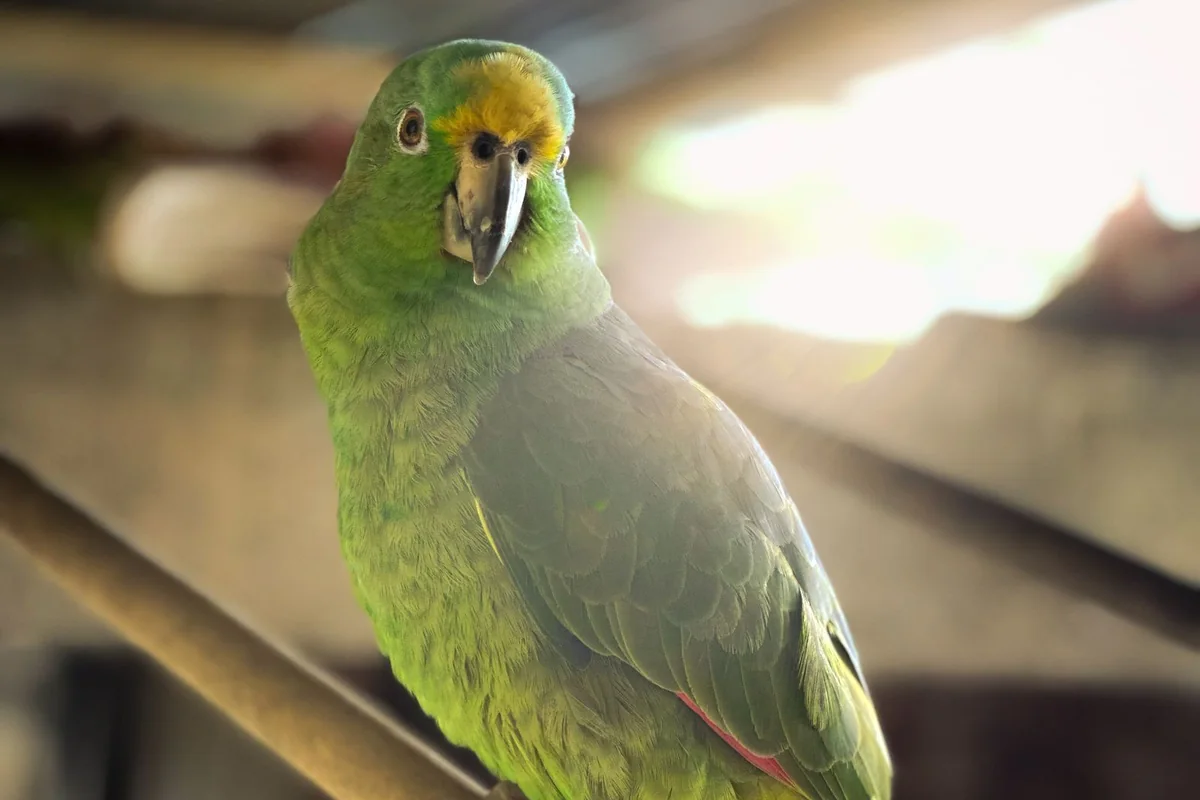
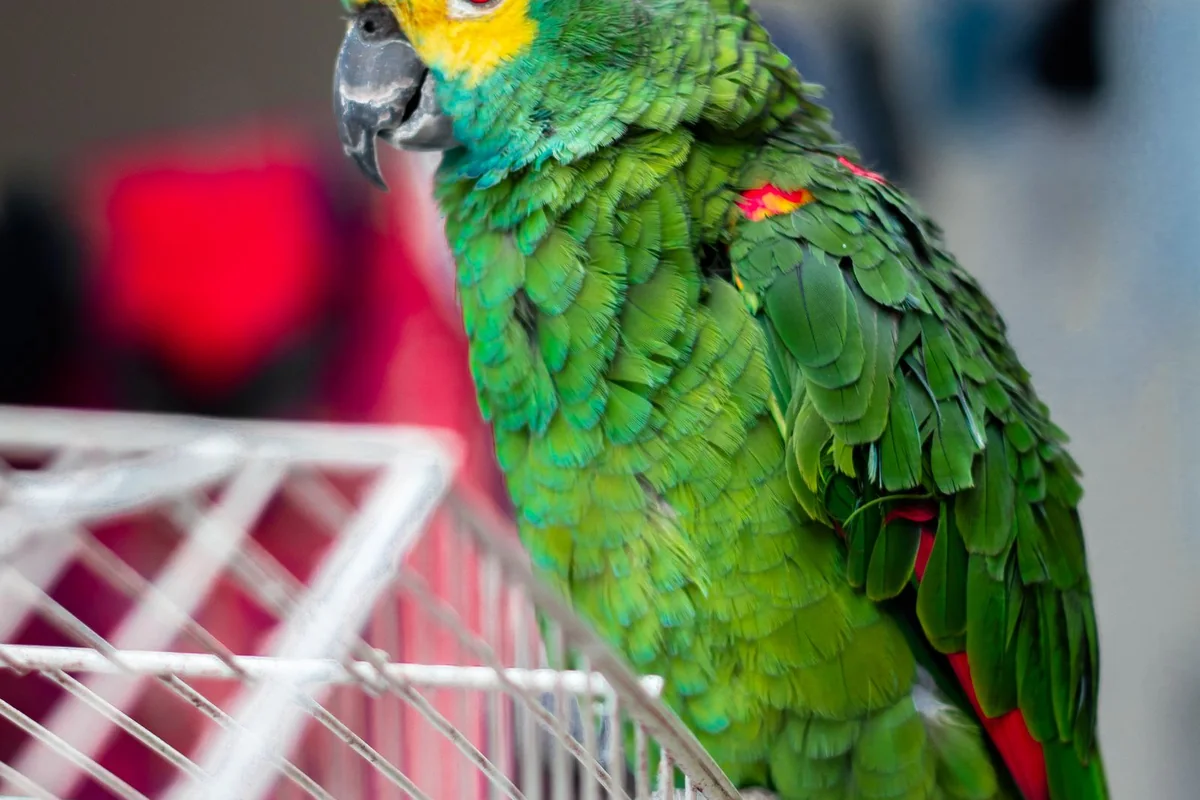
You can put a food puzzle beside a bird's favorite perch and spend a surprising afternoon looking at a bird sitting on the other side of the room. From there the new object is still visible, comfortably distant, and apparently best left alone. Respect that judgment. Food foraging starts with a small opportunity the animal recognizes and a way to leave. The human reward is eventually seeing the bird discover a choice on its own.
This approach works best with a settled bird and a known diet. What a parrot enjoys may be unsuitable for a finch, and individual birds of the same species can differ in approach and mobility. Talk with an avian veterinarian about suitable foods, sizes, placement, and materials if you are unsure. Keep the regular meal and fresh water available as usual. Use a very small part of the bird's ordinary food allowance for the first attempt. Keep the everyday feeding schedule in place.
Begin within the bird’s normal reach
Identify a regular feeding spot where the bird can balance, turn, and leave easily. For the first session, set a clean, stable shallow dish where it is visible from a familiar perch or station. Place a piece of familiar food in full view. Let the bird see you place it if your presence normally feels comfortable. Step back. Some birds investigate a dish quickly, while others need time to get used to it empty or positioned farther away. Wait for relaxed movement before bringing anything closer.
Give the bird enough room to move around without reaching from an unstable lean. If the dish turns or tips at the first touch, change the base before moving on. Notice whether the bird approaches from the side or directly, and make the next attempt from the same direction. The distance from the nearest perch may matter more than the size of the dish. Check where discarded food will land and whether you can remove it without having to move a sleeping bird or get under droppings.
Leave the first setup unchanged until the approach looks routine. The bird may pause at a cautious distance, stretch one foot forward, pull back, and come later. Avoid turning this into a sequence of cues or offering the food closer and closer to the bird. If a bird moves away every time you set up, give it more distance and take a simpler step. Free access to usual food means the bird can take that time without consequences.
Make one small obstacle the next step
After a few easy visits, place a food piece in the same dish with a small portion visible at the edge of an appropriate cover. A small piece of clean, plain, uncoated paper may suit some birds under active supervision. Ask for alternatives if your bird chews and swallows material, shows nesting behavior around it, or has difficulty manipulating it safely. A stable bird-safe feeder designed for simple pulling and easily inspected may work better. Let the bird see the food first. Nudging the cover should be enough to uncover it.
Try a test yourself. From the perch position, check whether the moving material goes toward the bird's feet, slides into a gap, or drops toward a water dish. Use a plain item small enough to inspect and large enough to avoid being swallowed or trapped according to the bird and the design. Avoid loops, threads, sharp edges, unknown dyes, unstable little parts, and connections that can trap a toe or beak. Remove anything that becomes frayed, breaks apart dangerously, or gets wet or dirty.
Imagine the bird picking up the whole setup and dropping it. If a loose object could land on a companion below, frighten the bird into an obstruction, or become wedged between bars, redesign it. For a bird willing to pick or turn a light cover, choose something that moves away from the feet and stays where you can see it. Stay nearby for the first uses and remove it between sessions. A short activity you can take away easily is simpler to manage than a device intended to entertain the bird through an entire unsupervised afternoon.
Pause when the game stops being easy
Give attention to the bird's movement. A bird who picks up a piece, looks around, and returns for another can take a short pause with no help. A bird who becomes hesitant, tries to back away, or repeatedly abandons the device after trying it needs an easier choice. If the bird starts chewing parts instead of reaching food, remove the setup and use an appropriately safer presentation. Some birds prefer looking through an open tray, or moving between two easy sites, to peeling back a cover.
Try this progression only when the bird shows comfortable interest. Begin with food visible at the edge. Move it slightly farther under the cover while still leaving an opening. Later, put a little of the regular allowance in two equally easy places. Stop after any successful step. Show a caretaker the simplest version that the bird uses comfortably. A change in room noise, lighting, or who is present can alter which level is comfortable.
Keep other feeding arrangements in place. If one bird shares an enclosure with another, make sure each animal has independent access to ordinary food and water. A single favorite puzzle can become something to guard. Place optional foraging sites apart with clear approach and departure routes, and supervise who uses them. Consult an avian veterinarian or qualified bird behavior professional if birds are consistently kept away from a resource. More objects can make an already crowded setup harder to navigate.
Give the bird ways to look without covering food
A bird who dislikes objects over a bowl may enjoy moving from one gathering spot to another. Place a little of the usual food in two easy, familiar locations during a supervised period. Keep both at a stable, comfortable height and place fresher ingredients only where you can remove them promptly. Let the bird choose the order. If one spot is consistently missed, compare how exposed it is and what the bird has to do to reach it.
A shallow tray with separate small wells may suit a bird that prefers to search by sight. Choose a washable item kept free of chips, and make sure the dish design does not catch a claw or restrict access. Use a few familiar pieces in empty compartments. Even looking around several places can offer variety without an obstacle. Other birds prefer a species-appropriate commercial feeder they can manipulate on a safe perch. Check the item after every trial for damage and suitability, even if it was recommended for a bird of similar size.
A third possibility is to adjust what a bird can see from a known location. Place an accessible dish so food is visible to the bird once it turns its head or takes one short step. A barely hidden route lets you work on food searching without encasing anything or using loose materials. If the bird finds the site consistently, keep the same game for a while. Adding complexity is optional. A tiny safe variation in an activity the bird already likes can be enough for an ordinary weekday.
Set expectations for food and cleanup
Use the bird's familiar appropriate foods, and measure anything that is part of its regular daily ration before setting the activity out. This is easier if there is a small container for that day's portion. A second person can see how much remains and avoid adding a new helping. For birds with dietary restrictions, discuss how forage portions fit with the veterinarian's plan. A promising idea on a shop label can involve ingredients or a feeding ratio that is wrong for an individual bird.
Remove remnants before they spoil, and wash and dry reusable equipment according to its material. Exercise particular care with moisture and soft food lodged in seams. Replace cleanable but damaged parts once they develop cracks or hold old debris. Keep ordinary dishes separate from optional play equipment so an enjoyable project does not make it hard to check how much the bird is eating. If food intake, droppings, posture, or activity changes in an unusual way, get advice from an avian veterinarian.
Notice a few small details you can use next time. Perhaps “food on open tray went quickly, cover left alone” means the open tray is a better fit. “Bird turned the cover once and returned to its ordinary dish” may be enough reason to repeat the same easy version another day. Reserve the choice about whether and when to use it for the bird. You can offer a quiet window of time while you are available to supervise, then put everything away.
Variety has other sources too, including appropriate opportunities for movement, rest, and social contact. An enrichment task does not have to fill all of a bird's day. Consider the time and place you offer it. A bird that has just settled on a comfortable perch may keep its rest period, and a busy room can draw attention away from food even when the food is easy to see. Let the option fit between familiar activities instead of reorganizing those activities around it.
The first good foraging routine may end with one piece eaten and a second ignored. The next session can look exactly like the first. A bird who can choose food from an ordinary bowl, use its feet and beak in a safe way, and decide when to walk away already has a workable arrangement. Return to the moment before the cover first moved and keep giving the bird the chance to discover what happens.