The Small-Pet Sitter Handoff That Fits on One Page
Prepare a reliable small-pet sitter with a live walkthrough, clear daily observations, emergency contacts, and a tested backup plan.
Give a new sitter an instruction that says “change the water” and they may do everything you had in mind. They may also refill a bottle without checking that it dispenses, place a bowl where bedding covers it, or look at a full reservoir and count it as done. The easiest way to find the difference is to ask the sitter to do the task once while you are home. Show them the routine, let them perform it, and write down the details that would be difficult to infer from a label.
Choose someone who can reliably visit at the frequency each pet needs, with experience appropriate to the species and care involved. Animals who require close monitoring, medication, or specialized handling may need a qualified sitter, boarding service, or a plan arranged with their veterinarian. A neighbor who usually takes in the mail may be comfortable with some tasks and unprepared for others. Talk about dates and the actual work before concluding that someone is available.
Start with a regular visit
Schedule a practice visit during the time they will normally be there. Walk in the same way they will when you are away. Try the lock, alarm, enclosure latch, and any room barriers. Keep other pets securely separated in accordance with your care plan. Have the sitter find the supplies, fill water, measure the familiar food, and close the enclosure. Give them an opportunity to ask questions with the real object in front of them. “How hard does this latch need to click?” is an excellent question to answer before leaving town.
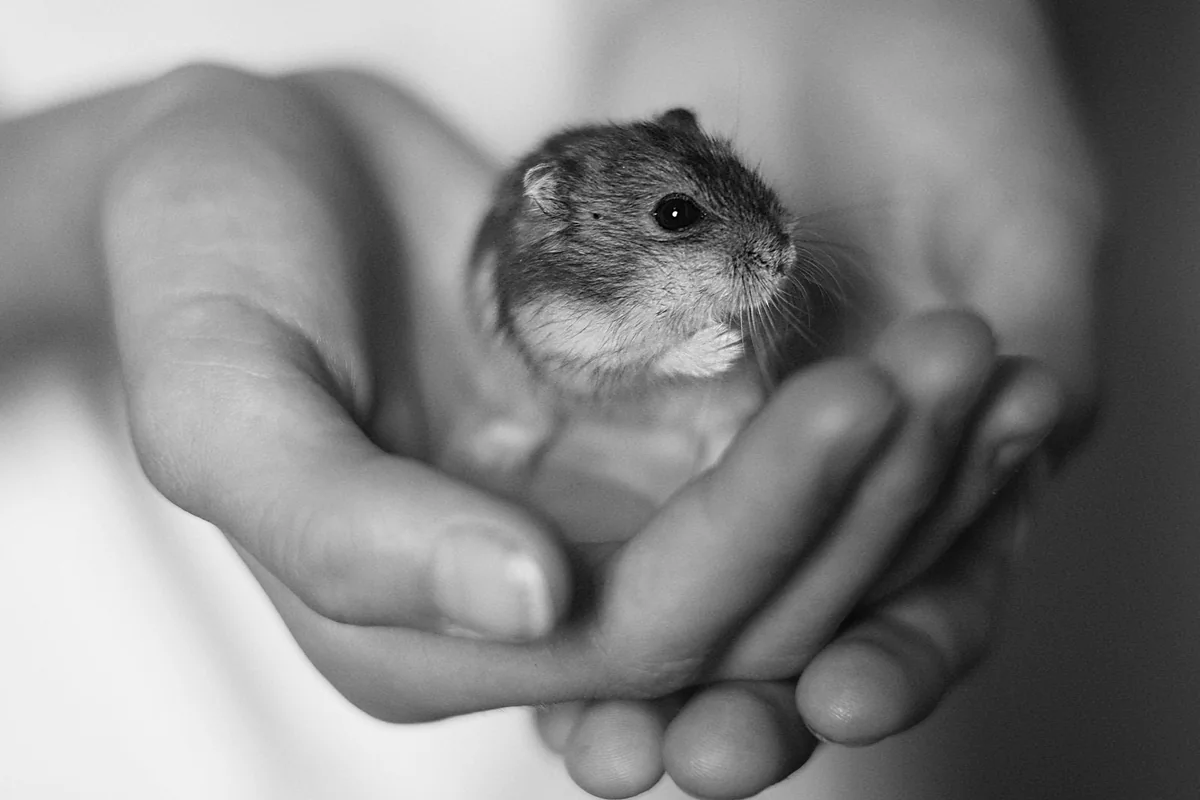
Show which work requires the animal to be moved and what can be done without disturbing it. Rabbits and guinea pigs need ready access to suitable hay and fresh water. Your sitter should see how to confirm access for each animal in a group, including the quiet individual who eats after others approach. A hamster's daytime sleep is part of its normal rhythm. Plan for appropriate observation around the animal's usual active period when feasible, and teach the sitter what a normal visit can show without opening its nest to wake it.
Let the sitter point out any action they cannot perform safely. If secure transfer is necessary, arrange training with someone experienced. A sitter should practice handling only as appropriate for the animal and with its safety in mind. Make sure a suitably sized carrier is easy to reach and that someone authorized can use it in an emergency. For species that hide or startle easily, show how you use familiar routes or cues instead of relying on fast movements. A clear description of the safe approach will be more useful than a hurried reminder to be gentle.
Write instructions that end in something observable
The first part of the page should say what visit is expected, which animals to check, and how to verify each completed job. Put a name and identifying detail beside each pet. For example, you might write, “Juniper has a white patch on the nose. She often waits in the left shelter until the hay is refreshed. Check that both rabbits are eating, and look for a change in the usual droppings.” Keep those notes neutral about the animal's usual behavior and clear about differences that need action.
Include quantities and timing as needed for the established diet. Put the correct scoop next to the food and show the level you expect. If you prepare portions in advance, label them with date, meal, and animal. Give the sitter enough food beyond the planned dates in case of delay and say where the spare is stored. Write which foods need to be kept cold, how leftovers are removed, and which containers can be washed. Leave a clear instruction about how the sitter can confirm that fresh water flows or remains available after refilling.
List the small cleaning tasks that make the habitat safe until the next visit. If the lower layer beneath a hide gets wet, write down which shelter to check and where the dry replacement lives. If an animal uses a secure familiar space during a larger clean, show the sitter how to inspect and close it. Avoid asking for a habitat redesign or an unfamiliar feeding experiment while you are away. Label spare bedding, water containers, cleaning tools, and spare equipment with plain words the sitter would recognize.
Keep the immediate instructions brief. Include supporting details separately when necessary. A two-page feeding schedule is manageable if the urgent steps, expected visit times, and emergency contacts are in view first. Write for a person who has arrived after work and just noticed something odd. Use short lines they can follow with a hand occupied. Read the page aloud once while standing beside the enclosure and close any gap between what it says and what you do.
Put decision instructions beside the contacts
Write down your best contact method, a local backup person, the usual veterinarian, and a suitable emergency service that sees your species. Confirm in advance what hours each clinic covers and whether it can accept the animal. Include transport arrangements and instructions about access to your pets' records. Tell the sitter who can authorize veterinary care and how payment will be handled. Ask the clinic what written authorization it prefers. Test the plan with your backup person before handing over keys.
Use clear instructions for specific changes. A sitter who sees a rabbit or guinea pig eating less than usual, an animal who appears to be breathing with difficulty, an injury, or a marked departure from ordinary activity should promptly consult the appropriate veterinarian or emergency service according to the care plan. Give them permission to make that call without waiting for you to respond. Supply ordinary examples and animal-specific directions from the veterinarian when available. A phrase such as “call me if you think anything is wrong” makes a new sitter guess about thresholds while an animal may need help.
If medication is part of the plan, ask the veterinarian about preparation, timing, administration, and missed doses. Give the sitter instructions that match the prescription exactly, then verify that they can follow them. If they have concerns, arrange care with a professional who can perform the task. Equipment issues also need a branch in the plan. For example, locate a suitable backup water supply and show how to set it up immediately if the regular bottle leaks. Talk through what to do if the home loses power, the room becomes too hot or cold, or the enclosure is damaged.
Agree on what a completed visit looks like
A message can be brief and specific. Ask for the time of the visit, which animals the sitter observed, arrival and departure conditions if significant, and any concerns. A note such as “6:30, both guinea pigs approached fresh hay, bottle checked, damp pad under right hide changed, latch secure” lets you see the work was done. A photograph is optional and can help record a specific detail. The sitter should avoid startling an animal or moving a shelter just to get a reassuring picture.
Agree on what to record when a pet stays out of view. A sitter can describe the observation accurately and make any follow-up check specified for that animal. For example, ask for the time the sitter last saw fresh signs of activity and when they will return for an appropriate check, along with a call if the pattern changes.
If you cannot reach one another, establish who takes over communication and care. Write the first thing to do if the sitter becomes ill or cannot travel. Check that the backup person can get inside, read the instructions, and find the supplies. Give them the same decision contacts. Store keys and access information securely with the people who need them. The perfect care sheet inside a locked house will be out of reach when a substitute shows up.
Give the sitter simple confirmation of how the trip ends. The last scheduled visit should happen as expected unless you confirm you are home and taking over. If travel changes, communicate early enough to secure extra visits. The sitter can tell you when a supply is running low and identify any patterns they saw. If you are using someone regularly, a short update after each sitting period can reveal work that the instructions have made unnecessarily difficult.
Check the handoff once more when you return
Observe the animals in their regular routine before reorganizing the setup. Compare what you see to notes from the sitter and confirm whether changes that arose during the trip still need follow-up. Replenish the spare materials that were used, and ask the sitter which task took longest. They may have spent extra minutes trying to reach a refill under a shelf or figuring out which water source a quiet pet preferred. Use that detail to improve the next handoff.
Set aside the opening page for the tasks someone will perform in the first ten minutes. A good short list includes visual checks, normal food and water, changes to the habitat, and the latch. Keep the pet-specific history and backup contacts ready behind it. When you can demonstrate the entire routine and hear the sitter describe it back in their own words, you have a better basis for leaving than a long set of instructions sent the night before.