Make Hay More Interesting with Easy Rabbit Foraging
Keep everyday hay easy to reach while giving rabbits optional ways to search, sort, and browse with simple, low-risk foraging setups.

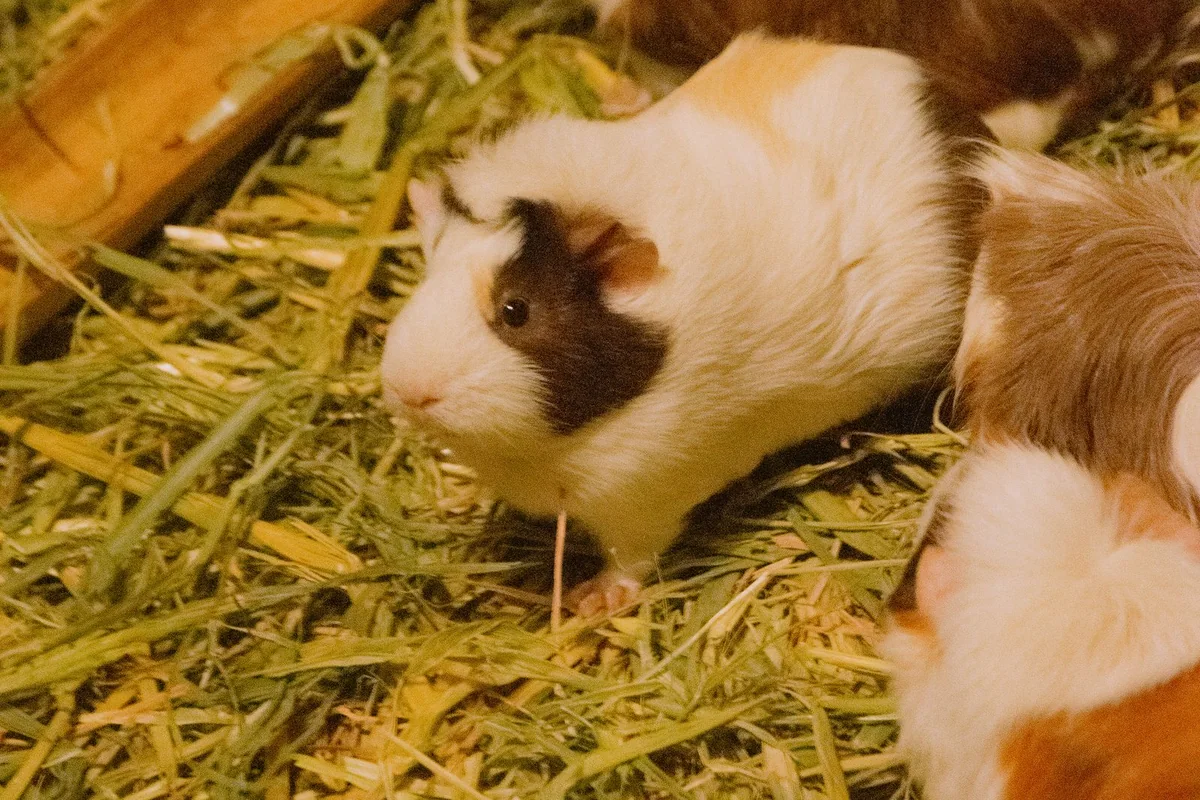
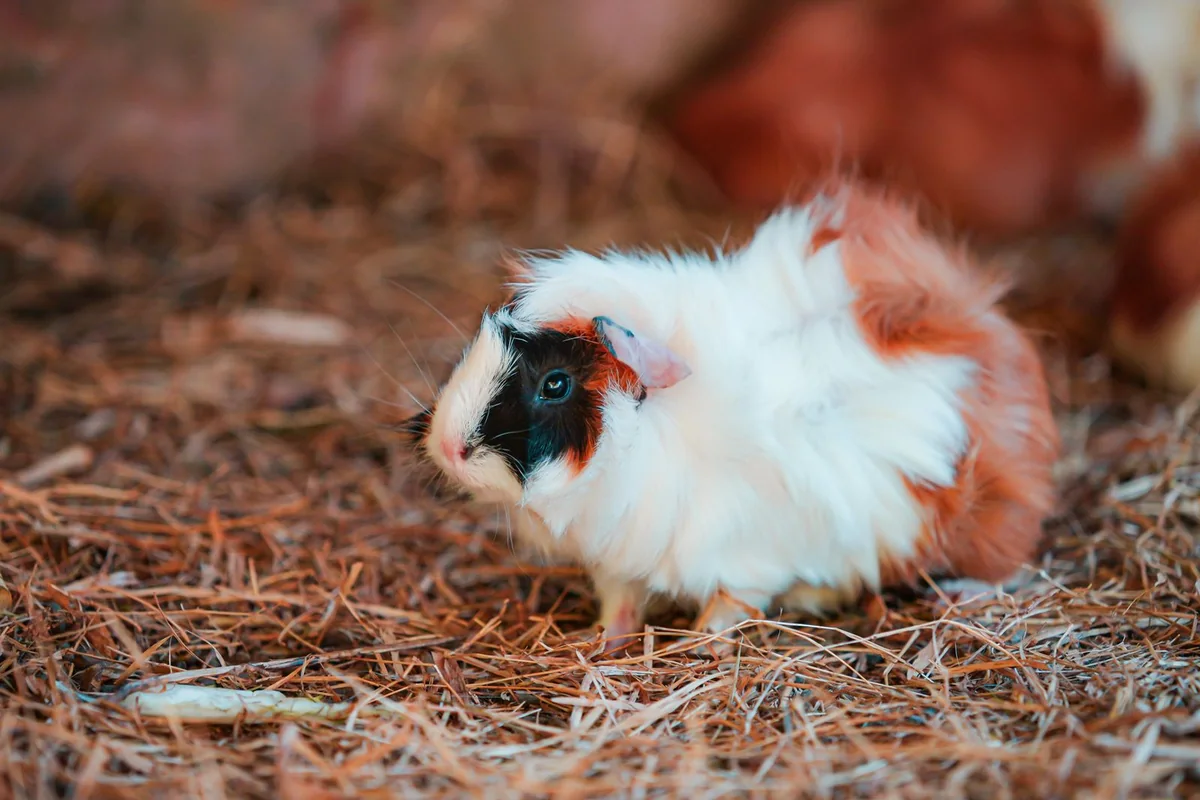
A rabbit can pull the same stem halfway out of a pile, leave it, and return a minute later for the end with the leaf on it. Watch one of those decisions and a shop shelf full of elaborate puzzle feeders begins to look less necessary. Browsing and sorting are already interesting. The job of a home foraging setup is to give a rabbit room and suitable materials to do more of both.
Start with familiar, appropriate hay and plenty of it. Rabbits need ongoing access to suitable hay or grass and fresh water. Keep the everyday hay supply available in its ordinary place while an enrichment setup is out. Hiding the only meal creates an access problem for the shy rabbit, the animal still learning, or the one who has less mobility than its companion. You can change the route to a small part of the usual food and preserve convenient access to the rest.
Find out what the rabbit already does
Before trying a game, sit where you can see the usual feeding area and watch without calling the rabbits over. Notice whether one rabbit digs into the pile, pulls stems from the side, carries mouthfuls away, or sits in one spot and leans. See how much and what kind of space they take up while eating. The behaviors you see suggest easy starting setups. The rabbit who lifts hay aside may investigate a shallow layer with a familiar piece of food easy to see. The one that keeps moving may prefer several loose piles on a grippy route.
For a pair, watch whether each rabbit gets a turn when there is a desirable stem or piece of greens. One rabbit can move the other without a chase, simply by occupying the only approach. Try two feeding spots separated enough that a rabbit cannot sit between them and cover both. Check that each spot has a clear escape route. Set out equivalent portions where both can find them. Individual access matters more than whether a particular task looks ingenious from above.
A newly adopted rabbit may be busy getting used to the room. Keep food predictable and wait until you have seen consistent eating before introducing a challenge. If you have any doubt about whether a rabbit is eating normally, offer ordinary hay as usual and contact a rabbit-savvy veterinarian promptly if appetite or droppings decline. A new activity should never delay a call about a change in the animal's normal habits.
Set up a hay trail with a reason to pause
The easiest variation needs no container. Lay a few generous tufts of suitable hay at several sites on a clean, dry, nonslip floor. Put the first where a rabbit approaches on its own. Keep each next site close enough to notice without crossing a threshold or leaving cover entirely. Arrange the trail near enough to familiar refuges that a worried rabbit can withdraw. Put the last pile where there is room to turn back safely.
Leave one tuft loose, one fanned out, and one beside a familiar shelter entrance. Small differences in presentation give the rabbit different ways to pull and sort without adding a new food. If you use a little of their regular greens or measured pellets in a trail, set it aside from the normal daily amount. The size of the reward has little to do with the distance it takes a rabbit to find it. For rabbits on a particular diet, follow the feeding plan from their veterinarian.
Make the first attempt when the room is quiet. Sit to the side. Some rabbits lie down at the first pile and eat for several minutes. Let them. They can take a route in the opposite direction or skip half the trail. Later, collect wet or contaminated hay and look at where leftovers sit. The pile beside a busy passage may be untouched even when a rabbit would happily eat identical hay by a wall. Try moving that one pile a short distance and leave the rest unchanged.
Offer a shallow browse tray
A low, clean tray with a layer of familiar hay gives a rabbit a defined place to sort. Choose a broad base that stays steady while the rabbit pulls at an edge. Place it on familiar footing and check that the animal can step out in more than one direction. When the lip is too high for a rabbit to lean over comfortably, use a lower container or skip it and put the hay directly on a clean surface.
On the first attempt, put a little regular food in full view near the opening. On another day, partly tuck one piece into the hay. Vary one aspect at a time. If the rabbit stops approaching as soon as a tray becomes deeper, bring back the easy version. Some rabbits like the loose pile and dislike the box. The apparent difference may come from the sound of a tray shifting on the floor, how an edge feels under a foot, or how much space the rabbit has to back away.
Avoid plastic that splinters, mesh openings that catch heads or limbs, and materials with sharp edges. If you use plain cardboard, remove tape, adhesive patches, and staples and observe the animal closely. Check for sogginess and chewing damage while the item is in use. Replace a worn setup, and stop using cardboard if the rabbit swallows the material. Loose string, ribbon, narrow holes, and complicated wrapping are easy to leave out.
Match the effort to the day
Think of foraging choices as routes at different levels of effort, with an easy route available every day. A morning when the room is noisy may call for a loose pile by a known refuge. A confident rabbit on a quiet afternoon may choose a path around a cardboard shelter to reach a second pile. A rabbit with limited movement may enjoy sorting through stems at floor level without traveling at all. Use the individual’s movement and appetite to decide what level of effort feels comfortable.
Observe the setup once from start to finish. How does the rabbit approach? Can it keep its feet steady? Does it investigate and come back later, or does it stretch from safety and then abandon the material? If there is a traffic jam, move resources farther apart. If a rabbit pushes a tray around the room, stabilize it while protecting against access to fasteners and other hardware. If a green item wilts and stays buried, use less or choose the ordinary hay-only version.
A food hunt can be easy to reset without getting more elaborate. Leave the place close to the same for a few sessions, and change the route by a modest amount when the rabbits use it comfortably. Step back if the new position adds a surprising noise, a slippery patch, or a dead end. Rabbit foraging is something you can do quietly and then go back to folding laundry. There is no need for spectators to gather at a doorway and encourage the rabbit through the course.
Keep the food and materials uncomplicated
Use hay suited to your rabbits and ingredients they already tolerate. A pet store label, a gardening reference, or a wild plant that looks familiar can be a poor substitute for reliable rabbit-specific advice. Skip plants you cannot identify with confidence and areas that may have been treated, polluted, or fouled. Ask a rabbit-savvy veterinarian if you are considering dietary changes, especially for animals with an established feeding plan. Suitable hay on its own creates plenty of choices.
Separate the delight of finding an item from the question of how much food it contains. Keep track of extras, even when different household members set up games. The simplest system is a small container prepared from the day's assigned portion. Anyone can use something from it and see when it is empty. Return unanswered questions about feeding amounts to the regular care plan. A new puzzle is an optional activity, and a regular diet should remain recognizable through a week of using it.
Discard fresh produce that has been left out long enough to spoil, and clean any tray that contacts wet food. Remove hay that is damp, musty, or fouled. Store the regular hay dry and out of reach so the rabbits cannot chew through its packaging. Check a favorite forage area as closely after repeat use as you did on the first day. Hay has a way of working under a mat, and you may miss the wet patch behind a shelter if all attention goes to the clever box in front of it.
Find a quiet rhythm that lasts
Try one station on an ordinary day instead of several on a weekend when you have time to set up a demonstration. Take a look the next time you refresh water and note whether the rabbits approached. A tiny record is enough. Write something like, “Loose hay by both shelter doors went early. Tray near entry stayed full.” You can act on a detail like that. Notes based on the appeal of the object alone will be harder to use.
As you learn a room, leave the best routes in regular service and give yourself permission to repeat a successful setup. Move a tuft, scatter a little of the usual ration, or put a handful of especially appealing stems near a clear approach. A good forage routine often ends without anyone seeing a dramatic result. You come back to find one pile neatly eaten, another picked over, and a rabbit stretched out near the easiest tray.