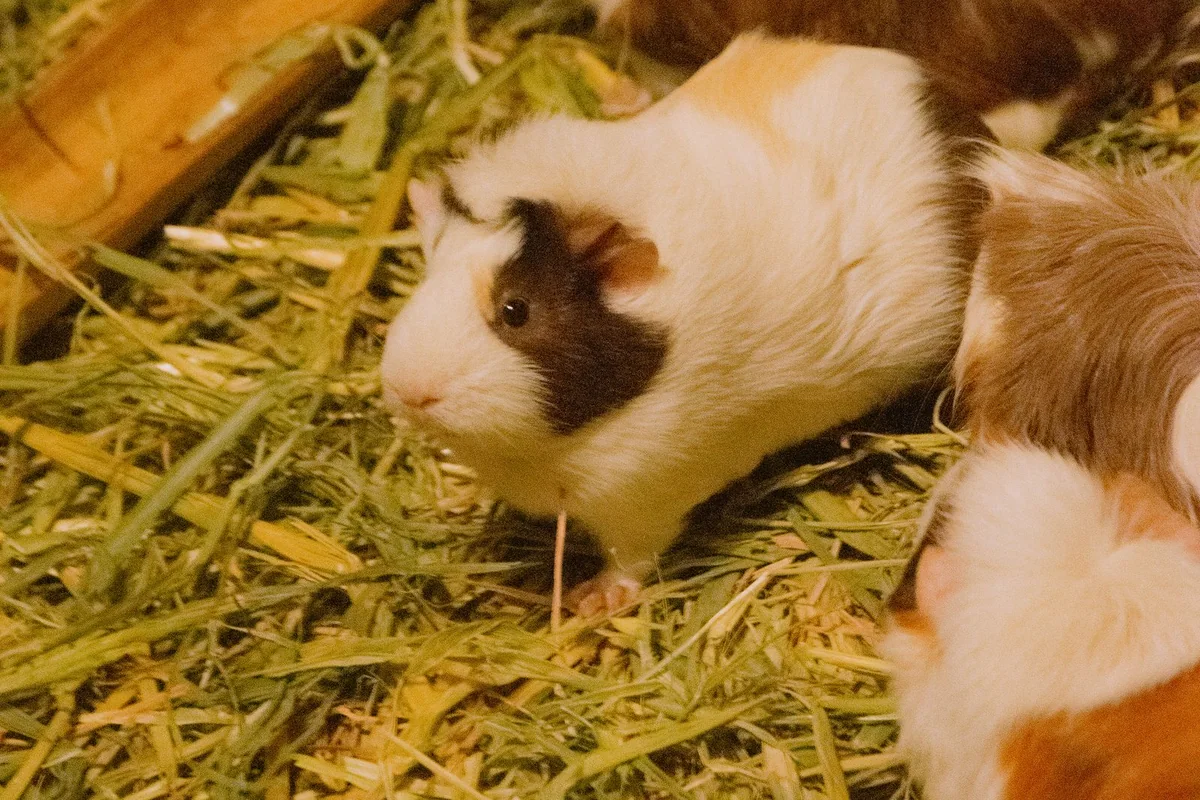
A Hamster’s Evening Routine That Lets It Wake Naturally
Build a simple evening hamster routine around voluntary wake times, quiet observation, reliable food and water, and a stable habitat.

If a hamster has been asleep all afternoon, the only evening plan you can count on is that it will wake on its own schedule. You might hear a wheel after the dishes are done, or find a fresh tunnel in the morning without having seen its builder. Begin there. Keep the habitat furnished for activity after dark and fit your tasks to the animal's rhythm where possible. A regular care routine is compatible with seeing the resident mainly by sound and evidence.
Hamsters are naturally most active around the darker hours, with individual variation. Daytime sleep belongs in their routine. Resist opening a nest to check whether a hamster feels sociable, and remember that it may change its usual wake time. A hamster that eats, moves, and explores normally may come out after the owner goes to bed. If a sudden change accompanies reduced interest in food, unusual movement, or a concern about health, seek a hamster-savvy veterinarian's advice instead of guessing from the clock.
Set up the evening before anybody is awake
Keep fresh water available and accessible all the time. Check the bowl or bottle quietly when you pass, preferably from a place that gives you a good view without moving the nest. Replace the water and test that the source works. A bottle can develop a problem even though it looks full, and a dish beside loose bedding can be buried. Choose a location on a stable surface that the hamster can reach without climbing awkwardly. Restore the ordinary food supply using your established care plan.
Look for problems you can correct without disturbing the burrow. A heavy object coming loose, an open latch, and a layer of bedding interfering with the wheel deserve attention. The necessary safety check should be short. Save changes to the nest area for an appropriate reason and a suitable time. When the habitat needs minor service, do the work slowly at the edge and check how much movement you create inside. A wheel lifted from the edge can spill bedding into a tunnel if it rests against a slope.
Leave a clear interior route between food, water, hiding cover, and opportunities for activity. A species-appropriate solid-surface wheel should sit securely and turn freely, with a size that allows the hamster to run with a natural posture. A large enclosure with room for continuous deep bedding makes digging and nesting possible. If the current habitat has little space beyond its wheel, review reputable hamster housing guidance and make a plan to improve the setup. A longer period near the cage with a person does little for an animal who needs room when people are asleep.
Let the first contact be optional
When the hamster appears, notice what it is already doing. It might be collecting food or coming up for a drink. Let that trip finish before you open anything. You can make yourself familiar by sitting nearby, speaking quietly, and keeping your hands out until the animal is relaxed. The hamster gets to move away when it wants. A setup with more than one retreat makes that choice easy, especially if your hand normally enters from a single side.
For a hamster comfortable with your presence, offer a tiny piece from its ordinary allowance in an accessible place close to you. An animal that takes food and disappears has used the invitation the way it chose. Allow it to end there. If the hamster comes back with a relaxed approach, give it room to investigate. Avoid chasing, cornering, or scooping a hamster who tries to leave. When handling is appropriate, a safe, low position reduces the risk of a fall, and short voluntary contact is plenty.
It's useful to distinguish a practical transfer from a social visit. A hamster may need to move into a carrier for cleaning or veterinary care. Introduce a familiar safe container, keep it low, and give the hamster a chance to enter on its own during calm practice. Know how you will close and secure it before attempting a real transfer. If you need to act promptly for welfare reasons and cannot do so safely, ask a professional for help with the appropriate handling method.
Observe the evening without turning it into a show
Choose a seat where you can see part of the enclosure side-on. Wait quietly and give the hamster a chance to move beyond its nearest hide. Look for regular activities like gathering food, digging, running, sand bathing in a suitable setup, washing, and carrying nesting material. The order may vary widely. Over several nights, a few patterns become familiar. One hamster may take a long drink just after it emerges, and another may start with several trips between a food area and a tunnel.
Keep lighting predictable and avoid shining bright lamps or flashes into retreats. Loud voices, vibrations, and reaching into a familiar passage can change the behavior you hoped to see. Around pets or children, make sure an adult supervises appropriate observation and that other animals cannot access the enclosure. If an evening visitor wants to see the hamster, tell them ahead of time that the experience might be watching a quiet habitat. There is nothing you have to produce for the visit.
A small note can help an owner who misses most of the active period. Record one observation and a time if it fits naturally. “Wheel moved freely before bed and was clear in the morning” is more useful than “busy last night” if you are trying to learn whether a particular sound comes from the wheel touching the wall. A little fresh material pushed out of an entrance tells you where digging occurred. Avoid inserting tools to see where the tunnel goes.
Keep overnight changes few and useful
If you want to add an activity, set it near a familiar area and observe the hamster's first use. For example, make a small amount of its ordinary food easy to find on a clean accessible surface, then leave the regular supply available at its usual site. Inspect any new object at floor level to see whether bedding, limbs, or the animal itself could become trapped. Remove parts with sharp corners, exposed adhesive, unreliable connections, or fibers that can tangle. Heavy items need steady support independent of loose bedding.
Repeat a suitable activity several times before deciding whether it is used. Move only one item if you can. Hamsters may follow known routes to their food cache and shelter. Moving everything at once takes those routes away and gives you no way to tell which adjustment made the difference. Leave the nest area recognizable unless there is a reason to intervene. Selective removal of damp or spoiled material can preserve a stable setup. If something smells wrong or appears heavily soiled, address it instead of leaving it for the sake of familiarity.
Nighttime equipment noise often has a fix. Identify whether a wheel rubs as it turns, shakes on a loose base, or transmits vibration to a piece of furniture. If a safe wheel makes a harmless operating sound, choose a suitable location for the habitat that accounts for both the hamster's needs and household sleep. Keep good ventilation, comfortable temperatures, and predictable light cycles. Removing an exercise opportunity whenever it gets late would take it away during the very period the hamster is likely to use it.
Arrange short care around a changing household
A good routine fits busy evenings as well. Put essential supplies together so you can check water, add food, and remove obvious spoiled material in a few quiet minutes. If your work hours shift, leave those basics on a schedule you can reliably maintain. Use a spare water setup or other standby supplies as appropriate, and check that the replacement remains easy to find. Let a family member know how to verify water flow and which latch closes the habitat.
If you are concerned about the animal because you seldom see it, choose a time when you are sometimes awake and sit near the habitat on several evenings. Compare observations with the usual amount of food taken and evidence of activity. A recorded glimpse can help document a specific concern, provided any camera or cable stays securely outside reach and does not introduce continuous bright light. Give a veterinarian concrete details about actual changes. Daytime sleep and an established habit of late emergence are different observations from an animal who suddenly stops doing its usual activities.
Think through any brief move of the habitat before doing it. If you are rearranging the room, choose a secure temporary place and keep the hamster away from construction dust or fumes. For a change between normal rooms, look at noise, temperature, ventilation, and lighting over a full day, since a room with a warm patch at noon can cool sharply at night. The best nightly routine will be much easier to sustain if the enclosure sits somewhere that stays suitable without daily correction.
Close the evening with three checks
Confirm water access, verify that the enclosure is secure, and scan equipment and paths for anything that could shift or block movement. Once those basics are covered, step away. The hamster might do far more after the room quiets down than it did during your visit. In the morning, notice what changed and tidy only what needs attention. That leaves the animal its daytime sleep and gives you enough information to make the next evening straightforward.