Rehearse the First Ten Minutes of a Road Trip With Your Pet
Prepare a secure carrier or travel harness, test a short route, and plan pet-safe stops before leaving on a longer drive with a dog or cat.
The first mile of a trip can contain most of the things that surprise a pet. There is a door closing at its shoulder, the sound of the engine, a turn across the end of the street, and the first time the floor moves under its feet. There is also a human trying to remember where the leash went. Practice those ten minutes while you still have time to rearrange the car and turn back.
For a comfortable drive, fit a suitable restraint before departure, give your pet a series of short experiences in and around the car, and plan stops you can manage without leaving an animal unattended. Do the briefing and the packing while the car is still parked. On the road, the driver should be able to drive without rearranging a pet, a carrier, or a pile of luggage.
Choose the pet's seat while the car is empty
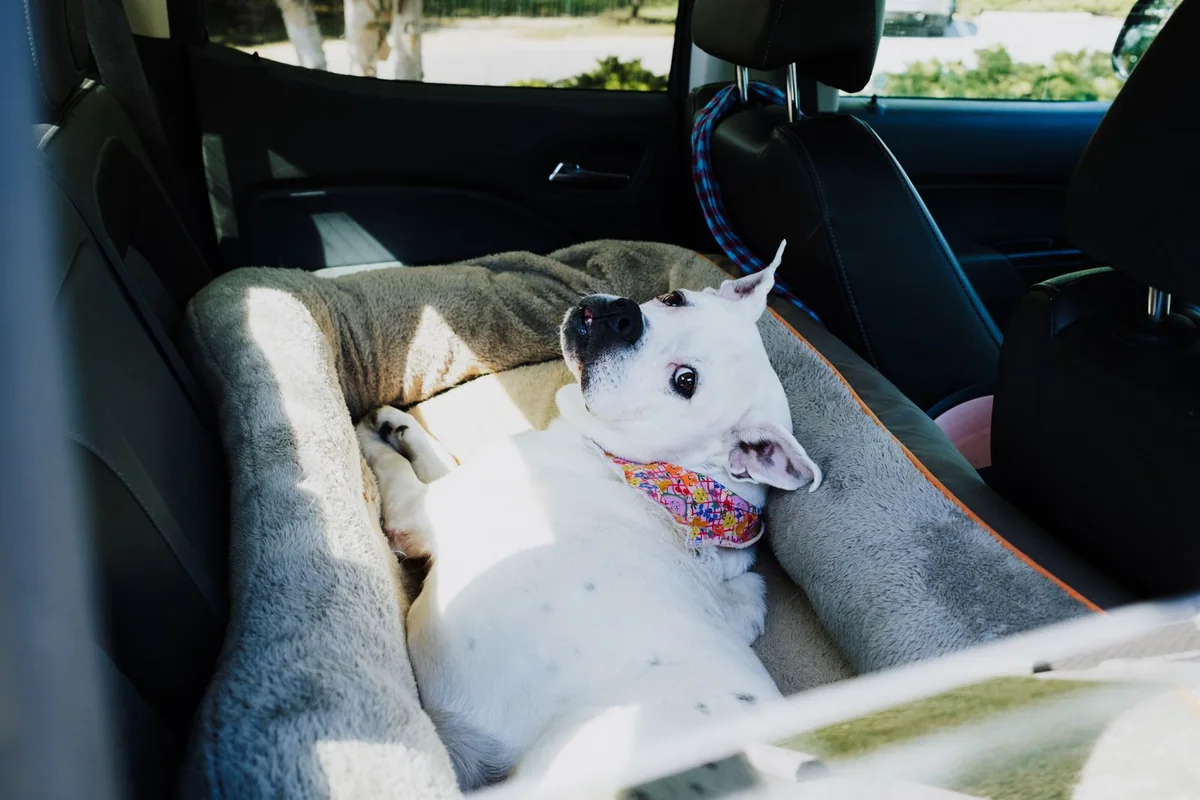
A dog should ride in a properly fitted vehicle harness or a suitable secured crate, out of the front airbag area. A cat should travel in a ventilated, secure carrier. Look for products tested for vehicle use and follow the manufacturer’s directions for the size of your animal, the type of anchor points, and the intended position in your vehicle. A tested product installed in a different way can behave differently from the one that was tested.
Lay out the space before packing suitcases. The carrier needs room for ventilation and should stay in position when the vehicle turns or stops. A shelf cover, a laundry basket or a stack of bags might interfere with safe placement. Check that doors and latches work without catching on other equipment. Secure luggage and hard items independently so they cannot fall into the animal's area. Keep the path from a safe vehicle door to the animal clear for loading and removal.
If you use a dog travel harness, check it in daylight. Look at where the straps sit while your dog stands, sits, and lies in a normal position. Follow the fit instructions and recheck if the dog is still growing or has changed weight. Give the equipment a few ordinary trials at home before combining it with a drive. A dog in a collar clipped to a leash on the seat still lacks a suitable vehicle restraint, and a neck attachment can cause injury during a sudden stop.
For a cat or small dog in a carrier, use a stable washable liner with good footing and take a spare. Check zipper pulls, hinges and any removable lid. Leave enough ventilation if you cover one side to reduce visual stimulation. During an actual journey, keep the carrier closed unless you are in a fully enclosed, secure room. A cat that normally waits at home can bolt into an unfamiliar parking area.
Separate the engine from the journey
Begin away from traffic. Let your dog explore the secured harness, or let your cat visit an open carrier on a stable floor indoors. Later you can practice walking to a parked car, getting into position, and going home again. For a cat, keep the carrier securely closed whenever you are outside or in the car. For a dog, fit the leash before you leave the house and arrange for it to remain secure during transfer to the vehicle restraint.
On another day, settle briefly with the vehicle parked and the inside comfortably conditioned. A familiar caregiver can remain nearby and watch the animal while another does the driving when you progress to a short outing. If the sound of the engine is the first difficult point, make that the end of the practice. Keep the session short and hold it somewhere with safe ventilation. Avoid running a vehicle in a garage or other enclosed area.
Choose a quiet short route that avoids hard braking and tight turns where practical. A few minutes around an area you know lets you notice whether the floor position, airflow or road sound needs attention. End back at home or at another calm, safe place if your pet is comfortable there. A dull first trip can build more useful familiarity than a long excursion filled with novel places and sounds.
Watch your pet before the engine starts, during the short ride, and after you arrive. Pacing before loading may suggest anticipation of the whole event. Repeated swallowing, drooling or vomiting during motion could point to carsickness. A dog that normally notices each movement may go very still. Stop practice if your pet is distressed, and discuss recurring signs with your veterinarian. The clinic can help you distinguish possible causes and plan around your individual animal's age and health.
Plan the stop before the map tells you to turn
A roadside rest area can bring moving trucks, unfamiliar dogs, trash and hot pavement within a few yards of your car. Have the walking leash in reach and attach it securely before opening a door to release your dog. Choose the side away from traffic when possible, and look for a clear route with enough distance from other animals. Give your dog a quiet opportunity to drink and relieve itself without turning the stop into a meeting.
Plan regular breaks for dogs, adapting the interval to the dog’s needs and the conditions. Puppies, older animals, and those with medical requirements may need more careful timing or a plan from the veterinary team. Leave room to stop early if the dog becomes uncomfortable. For cats, arrange veterinary guidance and a secure space for any necessary carrier opening or litter use. You can plan a pet-permitted overnight room for a long drive where the route and your cat’s needs call for it.
Pack ordinary food, water, a bowl, replacements for dirty liners, and a way to store waste. Keep a towel in reach for muddy feet or a spill. Bring current identification and a clear photo, and confirm the phone number associated with the microchip registration. Save details of veterinary services on the route or at the destination if you will be far from home. For travel across a border or to an area with entry requirements, check the destination's official rules and speak with the clinic early enough to prepare.
Food schedules belong in the plan too. A drive may overlap with a meal, a scheduled medication or some of the usual exercise. Keep your pet's ordinary routine where practical, and ask the veterinarian how to time meals and medications if travel sickness or another condition is involved. Give medication only according to the veterinary instructions for your pet. Shopping for an unfamiliar remedy at the first stop introduces a problem at the hardest time to get good advice.
Build a plan for the stop you cannot predict
A line of traffic, a flat tire, or a shop without pet access can interrupt an otherwise easy route. Consider who would stay with the animal while the other person manages fuel, food or a delay. For a solo trip, prepare food and water for yourself and choose stops that fit the pet's needs. Never leave the pet unattended in the vehicle. Shade and cracked windows do not make a parked car safe.
Manage the climate where the pet is. The dashboard temperature does not tell you what the sun is doing to the back of a carrier. Maintain ventilation, reposition anything that obstructs it and check the space during stops while one adult stays responsible for the animal. Avoid exposing the dog to debris or escape by letting it hang its head through the window. Fresh air can circulate with the animal fully secured inside the vehicle.
If safe travel becomes impossible, make a different plan. You might wait for cooler conditions, arrange a pet-friendly stop, or call the destination to delay arrival. If the animal seems unwell or you suspect heat-related illness, seek immediate veterinary advice and follow emergency instructions. Keep the phone and clinic details where you can get to them after pulling over safely.
Make arrival a controlled handoff
Confirm the room or secure area where your pet will go before releasing it. At someone else's home, ask whether other animals are loose and where exterior doors will open. At accommodation, carry the closed cat carrier into the enclosed room and check windows, interior hiding hazards and doors before releasing your cat. A dog can go in on leash once the entrance is ready. Keep the animal away from luggage traffic and give it time to drink or rest.
Offer a familiar mat or liner and a quiet route to the essentials. The dog may need a short outing on leash even though you stopped recently. The cat may want to stay in its carrier for a while after the door is open in a safe room. Build the arrival around the time the animal actually takes to settle, especially when other people are eager to see it.
After the trip, note one thing that worked and one you would change. Maybe the first rest stop was too busy at the hour you arrived. Maybe a bag placed behind the driver's seat made it hard to reach an absorbent pad. A little detail can improve the next drive before you even start the engine. The next time the leash is where you reach for it, the carrier is ready, and the first ten minutes feel like something you have already done.