How to Teach a Recall Your Dog Wants to Answer
Build your dog's recall from easy indoor games to safe outdoor practice, with better rewards and a clear plan for busy places.
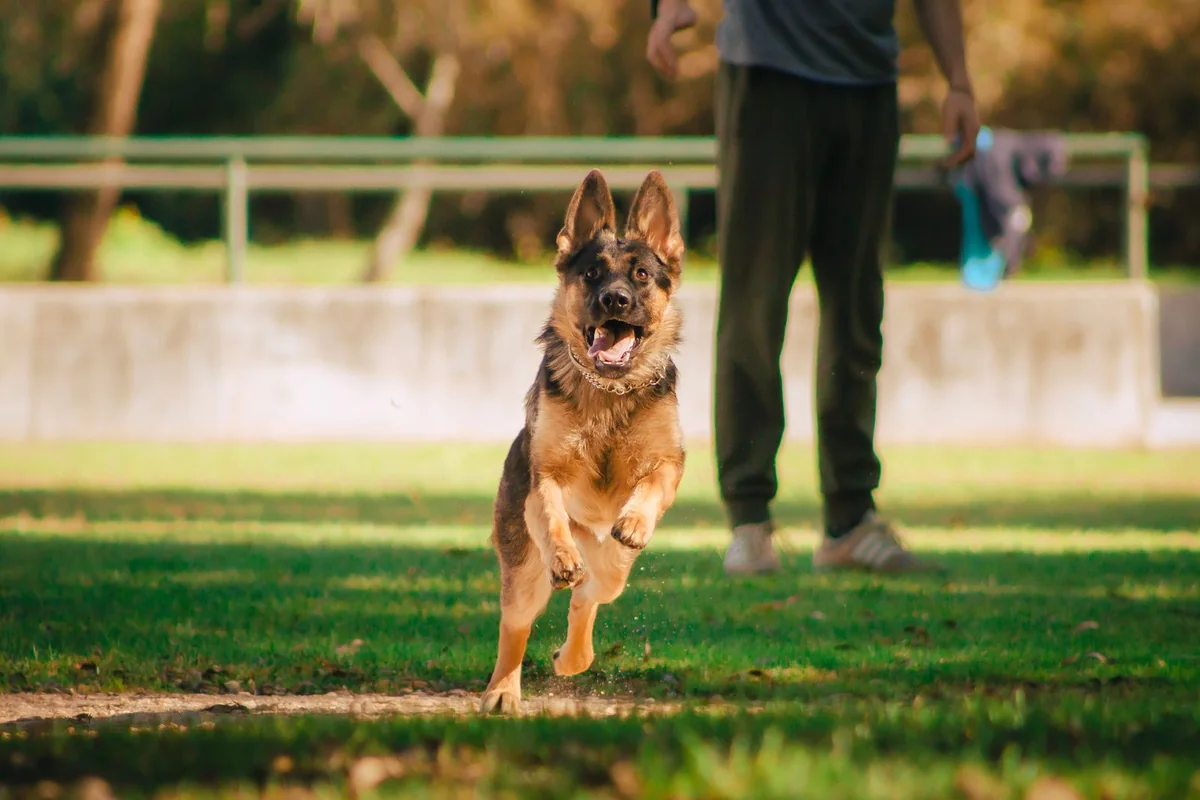
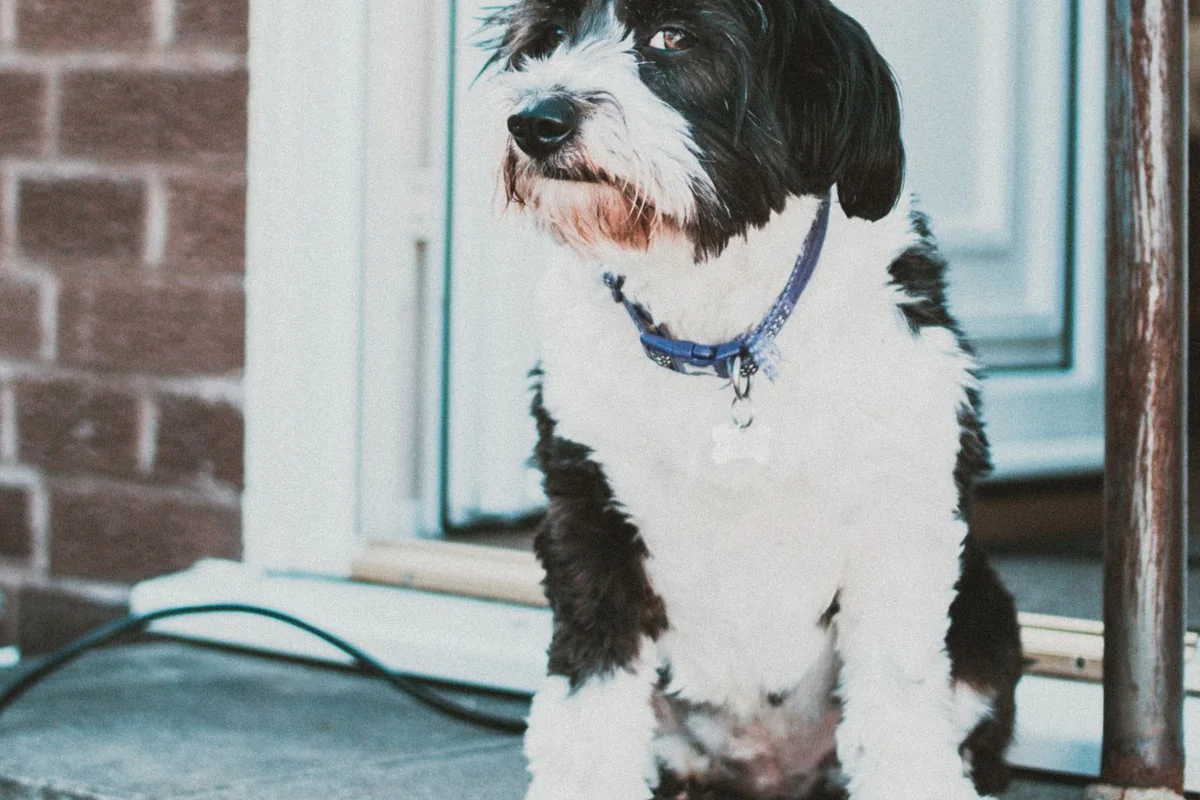
A good recall feels anticlimactic. A dog at the edge of a garden hears a familiar word, turns, and comes close enough for someone to clip on a lead. The person has a reward ready. Sometimes the dog gets to go back to the garden. There is a great deal of quiet practice hidden inside that small exchange.
Start in a secure space with a cue you can say clearly. Call from a short distance, reward the whole trip back to you, and give the dog another chance to go exploring when it is safe. Use a lead wherever required or where a return matters for safety. A successful practice session will show you what to try next. The session still depends on good physical management.
Give the word a worthwhile history
Choose a short word or phrase people in your household can use alike. If “come” has become background conversation, a fresh word can help keep the early repetitions clear. Avoid saying it while helping the dog do something uncomfortable. If you need to bring a dog inside for something they consistently dislike, go to them or guide them with their usual lead instead.
Try the first few calls at a distance of a couple of steps. Have a reward ready. Say the cue once when your dog can readily turn toward you. Shift your weight back and give them room to approach. Mark the arrival with a brief “yes,” then reward close enough to your body for a comfortable handover. Pause long enough for the dog to finish eating before you walk away.
The full behaviour includes the last step. Many dogs will run toward a person and stop well out of reach. Start practising the approach at a distance where you can keep your hands low and your body turned a little to the side. You can teach a voluntary touch to your palm separately and use it to give the dog a clear final position. Hold your hand near your leg, not far away where a dog can tap it in passing.
Make a clip or a hand near the collar predictable
Some dogs learn to stop just outside reach because a sudden hand ends the fun. Teach the handling in another easy moment. Briefly touch the harness strap or collar, feed, and release. For a dog that backs away from hands, begin with a movement at a little distance and reward while they remain comfortable. Keep this gentle, never grip to hold them in place, and seek qualified help if approaching the collar causes distress or defensive behaviour.
A lead clip has a sound and a movement. Practise clipping on, paying, and then walking together for a step or two. In a closed garden, you can sometimes clip on, reward, and unclip before sending the dog back to explore. Make the clip a familiar part of an ordinary return. The dog will have less reason to try to predict which return will end the whole outing.
A family member can stand on the opposite side of a quiet room and take turns calling. Use one caller at a time. If both people call together, the dog has to solve two problems at once. Wait until the dog has eaten before the next turn. Put a barrier across any opening to the street before you begin, and keep obstacles out of the short running lane.
Take the game outdoors with an extra safeguard
A safely fenced area allows a dog to practise at a little more distance with less risk. Check the perimeter and gates before taking a lead off, even at a friend's home. An entrance that looks shut from the centre of a garden may have a gap at the bottom. Follow any venue restrictions, and consider whether the ground and space are suitable for your dog's movement.
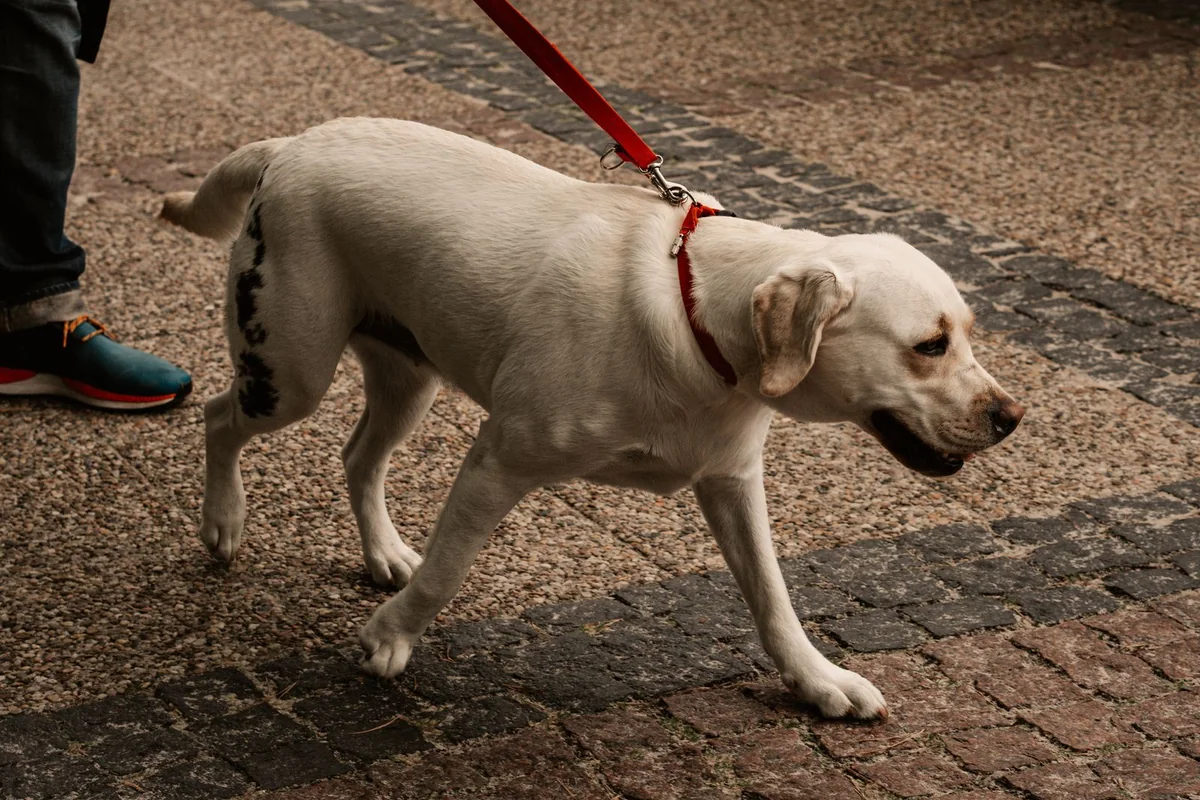
Outside an enclosure, keep the dog on secure equipment. In a clear area where long lines are allowed, you may be able to use a line attached to a well-fitted harness to give some additional room. Keep the line away from limbs, hold it without looping it around your hand, and gather slack before your dog builds speed. A long line can still injure someone who trips over it or a dog that hits the end at speed. A short walking lead is a better choice near roads, busy paths, or trees it can wrap around.
Let the dog look around on arrival. Choose a moment between sights and scents for the first call. Take a few steps in the opposite direction, reward the arrival and let the slack return to the lead. A single easy repetition in a new place gives you a clearer idea of how your dog feels there than a series of calls the moment the car door closes.
Pick your reward with the dog in mind
Some dogs run back for a small piece of their usual food in a familiar room. Outdoors that same food may need to compete with an animal trail, a breeze carrying a picnic smell, or a friend across the field. Try a small amount of a safe favourite, a brief game with a toy, or another chance to sniff. Take any dietary needs into account. A quick route back to the grass can be a bigger reward than food for a dog who already has their nose pointed there.
Keep the reward ready but out of sight. Give it after the response. If your dog will come only after seeing food in your hand, go back to a short distance indoors and practise retrieving the food from a pocket after the dog arrives. Move slowly enough that you can still mark a correct response on time. The pocket can feel slow at first, so use one side you can reach without rummaging.
Praise can be part of the payoff if your dog likes it. Pay attention to the response to touch. A dog that moves away when you lean over will probably prefer a treat or a game to a large hug. For jumpy dogs, reward at a level where all four feet can comfortably stay on the ground.
Treat the hard parts as separate exercises
Distance is one variable. So are the location, how long the dog has been exploring, the number of other people nearby, and how interesting the competing activity is. If you call from a greater distance for the first time while a dog is also following a scent in a new field, a missed response tells you little. Change one feature and keep the others easy.
Look for a turn of the head or a shift in weight to judge whether the cue was understood in that moment. If your dog stays engaged with an activity, avoid a string of increasingly loud repeats. Move closer when safe or guide them away on the lead. Later, set up a simpler trial. You might practise ten steps away from a quiet patch instead of attempting to call the dog out of midday play with a group.
Choose your surroundings even after progress. Wildlife, unfamiliar dogs and moving vehicles can change a situation quickly. You can choose a fenced exercise space, give the dog a longer supervised sniff on a lead, or go at a quieter time. Public land rules and the safety of other people and animals continue to apply.
Use the same thinking if two of your dogs know the cue. Begin working with them individually. When they are comfortable returning around each other and share space safely, call one by name and follow it with the cue. The other can practise with a second adult. Deliver rewards separately, with enough distance for each dog to eat without a competitor. If both come every time, practise the names at closer range so the first part of the message has meaning.
Check how well the cue travels
At the end of a week, do three easy calls in one secure location. Write down where you were, whether your dog could turn on the first cue and whether they came close enough for the clip. Compare it with a similar session in a second location. If the first is consistently easy but the second is spotty, shorten the distance in the second spot. Reduce competing activity if you can.
Handlers matter too. If the dog comes quickly to one person, have that person demonstrate their tone and body position. A new handler can start from nearby and reward in the same accessible spot. You may find the difference is smaller than you thought: one person waits for the dog to finish sniffing, while the other calls halfway through an intense investigation.
Test your own timing by watching a family member practice from across the room. The moment they call might be when the dog has just looked up, or when a new sound has drawn the dog's attention away. Let the person pick the next moment after seeing both. Younger family members can join indoor practice with an adult's supervision and suitable rewards. An adult should handle the lead and make decisions about where and when to practice outdoors.
A recall you can rely on grows out of small returns that each made sense from the dog's point of view. Keep occasional easy calls in the routine, continue paying good responses, and release the dog whenever the place and your schedule allow. One day, the trim little sequence at the end of the garden will look almost too simple to have needed all that work.